
Site Extension Leads

Pay in 3 interest-free payments on purchases from £20-£3000 with  . Learn more.
Loading...
End of content
Error - No more pages to load
About Site Extension Leads
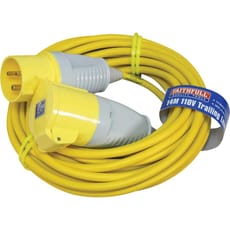
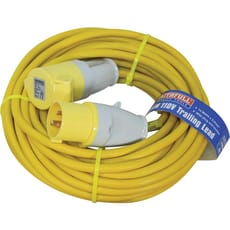
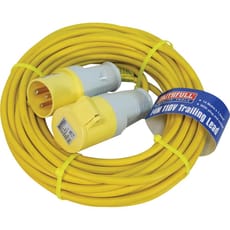
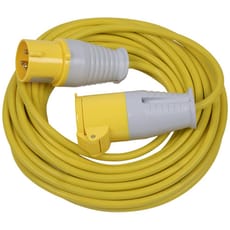
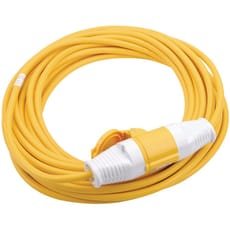
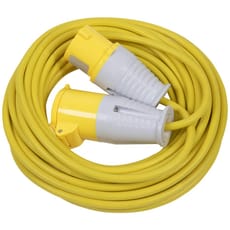
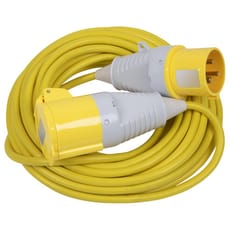
Site extension leads are essential power distribution solutions designed specifically for construction sites, workshops, and outdoor work environments. These robust 110v trailing leads provide safe, reliable electrical connections where standard 240v domestic extension cables would be unsuitable or potentially hazardous. MyToolShed.co.uk stocks a comprehensive range of professional-grade site extension leads from trusted brands including Defender, Faithfull, Sealey, and Draper.
Available in 16 amp and 32 amp configurations with cable sizes ranging from 1.5mm to 4mm, these heavy-duty yellow cables are built to withstand the demanding conditions of professional job sites. The distinctive yellow casing ensures high visibility, reducing trip hazards whilst the 110v specification complies with construction site safety regulations across the UK.
Applications
Site extension leads are indispensable for a wide range of trades and industries, including:
- Construction sites: Powering tools and equipment across large building projects where 110v supply is mandatory
- Electricians and sparkies: Providing safe temporary power connections during installation and maintenance work
- Groundwork contractors: Connecting machinery and power tools in outdoor excavation and landscaping projects
- Joiners and chippies: Running saws, drills, and other workshop equipment on-site
- Event management: Temporary power distribution for outdoor events and exhibitions
- Facilities maintenance: Extending power reach in industrial and commercial premises
- DIY enthusiasts: Safely powering tools when working with hired 110v equipment
Choosing The Right Site Extension Leads
When selecting site extension leads from MyToolShed.co.uk, consider these essential factors:
- Amperage rating: 16 amp leads suit lighter power tools like drills and sanders, whilst 32 amp options are necessary for high-demand equipment such as circular saws and large mixers
- Cable thickness: 1.5mm cable handles basic applications, 2.5mm provides standard duty performance, and 4mm offers maximum current capacity for heavy machinery
- Lead length: Assess your typical working distances to avoid excessive cable whilst maintaining adequate reach without voltage drop
- IP rating: Ensure connectors offer appropriate weather and dust protection for outdoor environments
- Build quality: Look for reinforced connectors, robust cable insulation, and strain relief to withstand site wear and tear
- Compliance: Verify products meet BS EN standards for site safety and regulations
Safety Information
Always inspect site extension leads before use for damage to cables, connectors, or strain relief. Never overload leads beyond their rated capacity, and ensure connections remain dry and clear of debris. The 110v centre-tapped earth system used on construction sites reduces the risk of electric shock, but proper transformer use is essential. Coil out leads fully during operation to prevent overheating, and store cables properly when not in use to maintain their integrity and safety performance.
Frequently Asked Questions
Why are site extension leads 110v rather than 240v?
Construction sites use 110v centre-tapped earth systems because they significantly reduce electric shock risk. If a fault occurs, the maximum voltage to earth is only 55v, which is considerably safer than 240v mains supply, making 110v the industry standard for professional building environments.
What's the difference between 16 amp and 32 amp site leads?
The amperage rating determines how much current the lead can safely carry. 16 amp leads handle tools up to approximately 1,760 watts, whilst 32 amp leads support equipment drawing up to 3,520 watts. Always match your lead's rating to your tool's power requirements to prevent overheating and ensure safe operation.
Can I use multiple site extension leads connected together?
Whilst possible, connecting multiple leads increases voltage drop and resistance, potentially affecting tool performance and safety. It's preferable to use a single appropriately-sized lead. If you must connect leads, ensure total amperage draw remains well within the lowest-rated lead's capacity and regularly check connections for heat build-up.