
Side Cutters

Pay in 3 interest-free payments on purchases from £20-£3000 with  . Learn more.
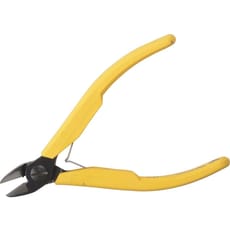
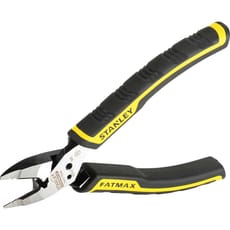
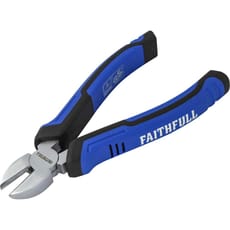
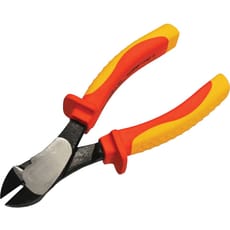
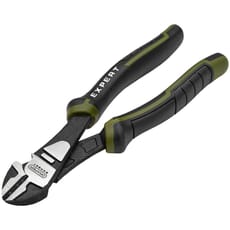
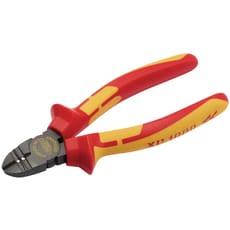
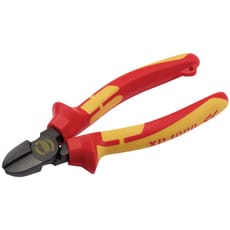
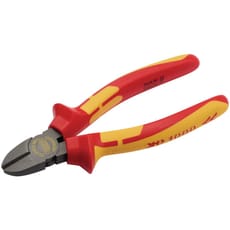
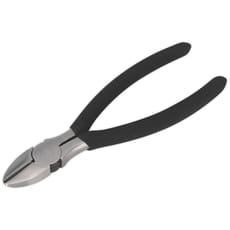
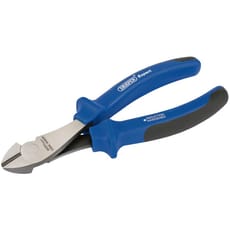
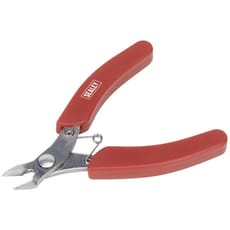
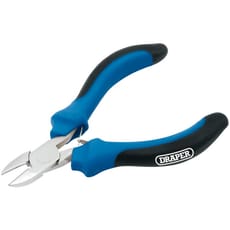
Loading...
End of content
Error - No more pages to load
About Side Cutters
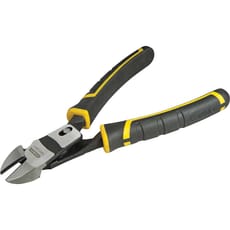
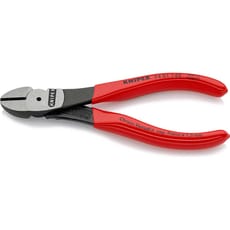
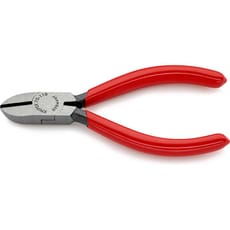
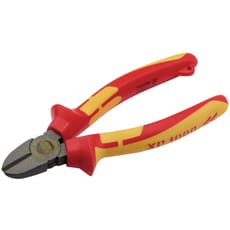
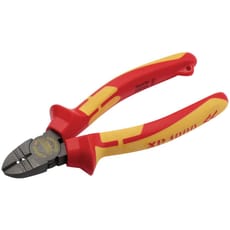
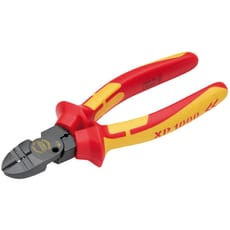
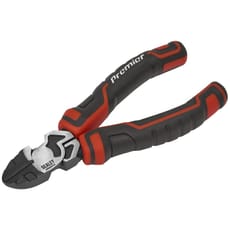
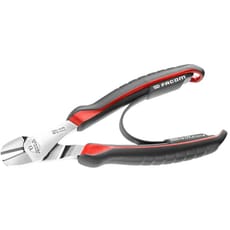
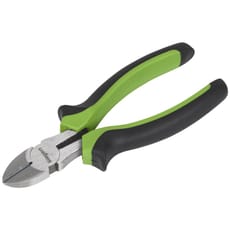
Side cutters, also known as diagonal cutters or wire cutters, are essential hand tools designed for cutting wire, cable, small nails, and other materials flush or at an angle. MyToolShed.co.uk stocks a comprehensive range of side cutters from trusted brands including Knipex, Bahco, DeWalt, and Bosch Professional, catering to both professional tradespeople and DIY enthusiasts. Available in various sizes and specifications, these precision cutting tools feature hardened cutting edges that deliver clean, accurate cuts across different material types and gauges.
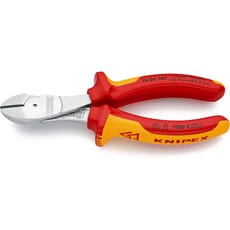
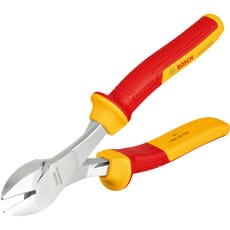
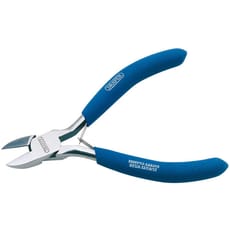
The collection at MyToolShed includes standard side cutters, VDE insulated models for electrical work, electronic flush cut nippers for delicate components, heavy-duty compound action designs, and specialist thin jaw variants. Options range from compact mini side cutters for precision work to robust demolition-grade pliers, with many featuring ergonomic soft-grip handles, sprung mechanisms, and specialised cutting profiles to suit specific applications and user preferences.
Applications
- Electricians: Cutting and stripping electrical cables, trimming wire ends, working with circuit components
- Electronics and IT technicians: Precision cutting of component leads, cable ties, and small gauge wires
- Automotive mechanics: Removing cable ties, cutting wiring harnesses, and general wire work
- Plumbers: Cutting copper wire, cable clips, and securing materials
- General maintenance and facilities management: Wire cutting, cable management, and equipment repairs
- Manufacturing and assembly workers: Production line wire cutting and component preparation
- Jewellery makers and craft workers: Precision cutting of fine wire and delicate materials
- DIY enthusiasts: Home electrical projects, craft work, and general maintenance tasks
Choosing The Right Side Cutters
Cutting capacity: Consider the maximum wire gauge and material hardness you'll be cutting. Heavy-duty models handle thicker cables and harder materials, whilst electronic nippers suit fine precision work.
Insulation requirements: For electrical work on live circuits up to 1000V, choose VDE-certified insulated side cutters that meet BS EN 60900 standards. These provide essential protection when working with 240v mains power.
Cutting style: Flush cut nippers provide clean, flat cuts ideal for electronics and PCB work, whilst standard diagonal cutters offer versatility for general applications. Angled heads improve access in confined spaces.
Handle design: Ergonomic soft-grip handles reduce hand fatigue during extended use, whilst sprung handles speed up repetitive cutting tasks. Consider handle length for leverage requirements.
Build quality: Professional brands like Knipex, Bahco, and Facom offer superior edge retention and durability. Hardened steel cutting edges maintain sharpness through thousands of cuts.
Safety Information
Always wear appropriate eye protection when using side cutters, as cut wire ends can become projectiles. Ensure VDE-insulated tools are regularly inspected for damage to the insulation layer before working on electrical installations. Never exceed the rated cutting capacity, as this can damage the tool and cause injury. When cutting spring-loaded materials like cable ties or tensioned wire, secure the material to prevent whipping. Store side cutters with cutting edges protected to maintain sharpness and prevent accidents.
Frequently Asked Questions
What's the difference between side cutters and end cutters?
Side cutters have angled cutting jaws positioned diagonally to the handles, allowing flush cuts against surfaces and better access in tight spaces. End cutters have jaws perpendicular to the handles, providing maximum leverage for cutting thicker materials like nails and bolts, but cannot cut flush to surfaces.
Can I use standard side cutters for electrical work?
For dead circuits and low voltage applications, standard side cutters are suitable. However, when working on live 240v electrical installations, you must use VDE-insulated side cutters certified to BS EN 60900, which provide protection up to 1000V and are essential for sparky work.
How do I maintain my side cutters?
Keep cutting edges clean and free from adhesive residue using appropriate solvents. Apply a light oil to pivot points periodically. Never use side cutters as a hammer or pry bar. Sharpen or replace cutting edges when performance deteriorates, and store in a dry environment to prevent corrosion.