
Sharpening Stones

Pay in 3 interest-free payments on purchases from £20-£3000 with  . Learn more.
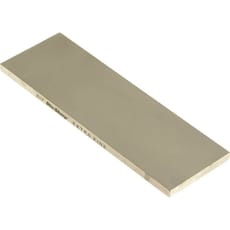
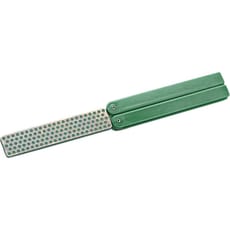
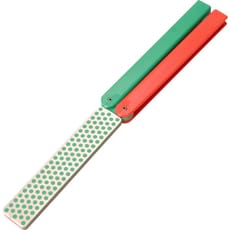
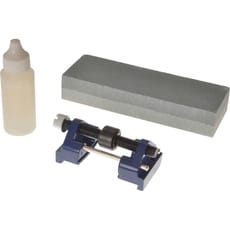
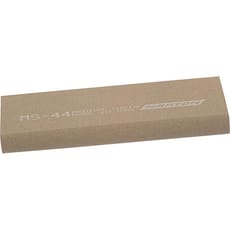
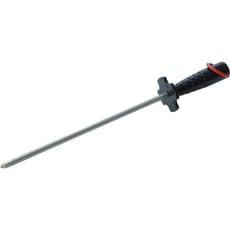
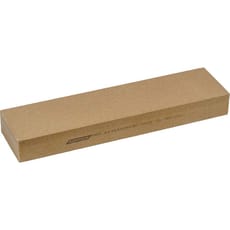
 Loading...
End of content
Error - No more pages to load
About Sharpening Stones
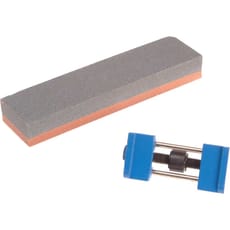
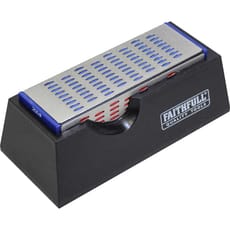
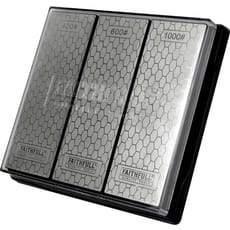
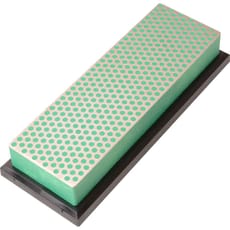
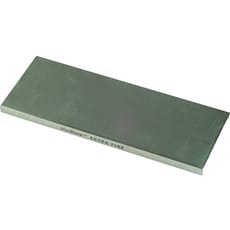
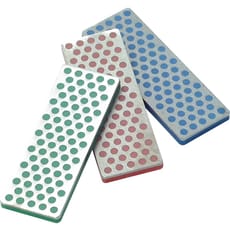
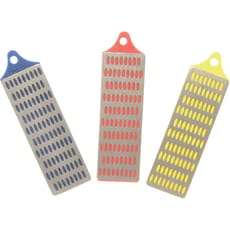
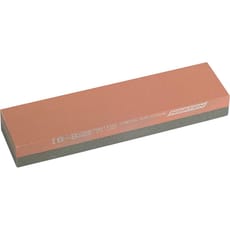
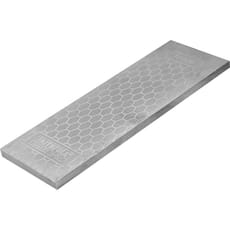
Sharpening stones are essential tools for maintaining the cutting edges of chisels, plane blades, knives, and other edged tools used across woodworking, metalworking, and general maintenance tasks. Available in various materials including diamond, silicon carbide, and natural stone compositions, these precision sharpening tools restore blunt edges to razor-sharp condition through controlled abrasion. MyToolShed.co.uk stocks a comprehensive range of sharpening stones from trusted brands like Trend and Draper, suitable for both professional tradespeople and dedicated DIY enthusiasts.
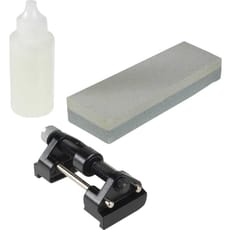
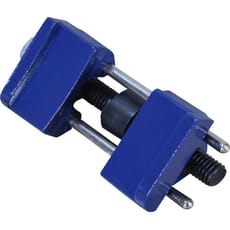
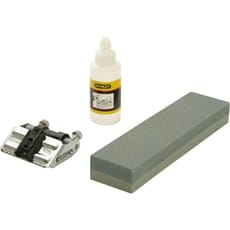
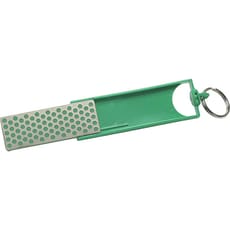
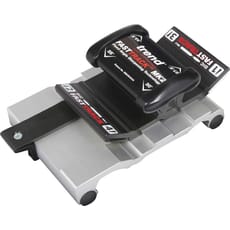
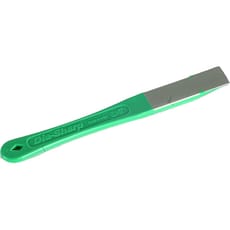
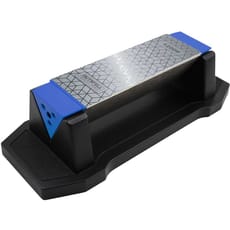
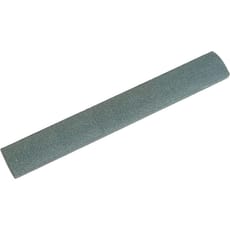
From bench stones for workshop use to portable slip stones for on-site sharpening, the category includes diamond whetstones for rapid material removal, honing guides for consistent bevel angles, and specialist scythe stones for agricultural tools. Complementary products such as diamond lapping fluids and tapered files ensure you have everything needed for complete edge maintenance and tool care.
Applications
- Woodworkers and joiners: Sharpening chisels, plane irons, spokeshaves, and carving tools
- Metalworkers and engineers: Maintaining precision cutting tools, scrapers, and deburring implements
- Kitchen professionals and butchers: Keeping knives and cutting blades at optimal sharpness
- Gardeners and groundskeepers: Sharpening spades, hoes, secateurs, and scythes
- General maintenance: Restoring edges on household tools, scissors, and utility knives
- Model makers and craftspeople: Precision sharpening of fine detail tools
Choosing The Right Sharpening Stones
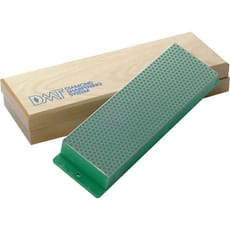
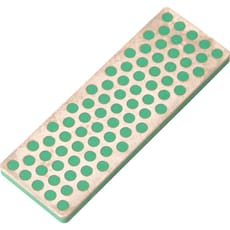
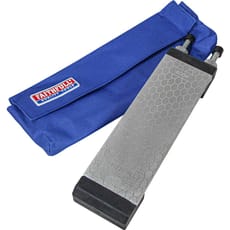
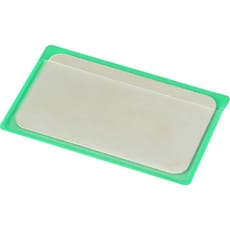
Consider the grit rating appropriate to your sharpening needs—coarse grits (200-600) remove material quickly for repairing damaged edges, medium grits (800-2000) suit general sharpening, whilst fine grits (3000+) create polished, razor-sharp finishes. Diamond whetstones from MyToolShed.co.uk offer exceptional durability and consistent cutting performance without requiring flattening maintenance.
The stone format matters for different applications: bench stones provide stable, large surfaces for workshop use, slip stones feature shaped profiles for accessing curved edges and gouges, whilst pocket-sized scythe stones suit field sharpening. Honing guides help maintain consistent bevel angles, particularly valuable when learning proper sharpening techniques or working with specific angle requirements.
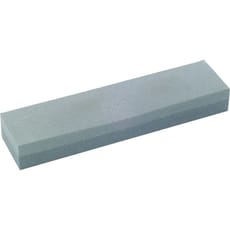
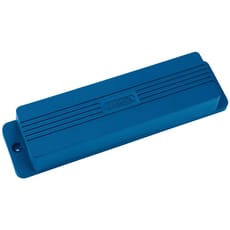
Material choice influences performance—silicon carbide stones like the Draper option work well for general purpose sharpening, whilst diamond abrasive surfaces cut faster and suit harder modern tool steels. Consider whether you prefer water stones, oil stones, or diamond plates that can be used dry or with lapping fluid for optimal results.
Frequently Asked Questions
What's the difference between diamond and traditional sharpening stones?
Diamond stones feature industrial diamonds bonded to a flat surface, offering faster cutting action, greater durability, and no need for periodic flattening. Traditional silicon carbide or natural stones are more affordable and can produce exceptionally fine edges but wear over time and require occasional flattening to maintain their working surface.
Do I need different grit stones for complete sharpening?
For comprehensive edge maintenance, most tradespeople benefit from at least two grits—a medium grit (800-1200) for regular sharpening and a fine grit (2000+) for final polishing. Add a coarse stone (400 or below) if you frequently repair damaged or badly worn edges.
How do I maintain my sharpening stones?
Keep stones clean by wiping away metal particles after use. Water stones should be stored dry to prevent degradation. Periodically check bench stones for flatness using a straight edge, and flatten when necessary using a flattening stone or coarse abrasive sheet on a known-flat surface to ensure consistent sharpening results.