

Separators
Pay in 3 interest-free payments on purchases from £30-2000 with  . Learn more.
 Loading...
End of content
Error - No more pages to load
About Separators
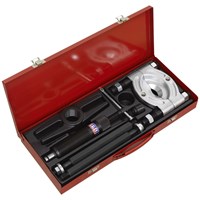
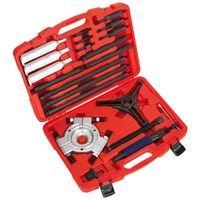
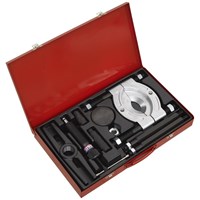
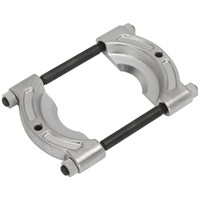
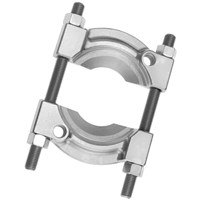
Separators, also known as bearing separators or pullers, are precision workshop tools designed to safely remove bearings, gears, pulleys, and other press-fitted components from shafts without causing damage. These essential tools feature adjustable jaws that grip behind the component whilst a forcing mechanism applies controlled extraction force. MyToolShed.co.uk stocks both mechanical and hydraulic separators from trusted manufacturers including Sealey and Facom, suitable for everything from light automotive work to heavy industrial maintenance.
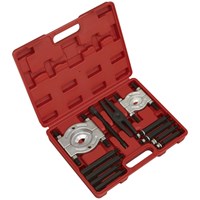
Mechanical separators use threaded forcing screws for portable, general-purpose bearing removal, whilst hydraulic bearing separators deliver significantly greater pulling force—often 8 to 10 tonnes or more—making them ideal for seized or heavily corroded components. Professional separator sets typically include interchangeable jaws and spacers to accommodate different bearing sizes, providing versatile solutions for automotive workshops, plant engineers, and maintenance professionals across the UK.
Applications
Separators are essential tools for professionals and skilled enthusiasts across numerous trades and industries:
- Vehicle mechanics and technicians: removing wheel bearings, transmission components, pulleys, and gears during automotive repair and servicing
- Plant and machinery engineers: extracting bearings from industrial equipment, conveyors, pumps, and heavy machinery during maintenance programmes
- Agricultural engineers: servicing farm machinery, tractors, and harvesting equipment where bearing replacement is routine
- Marine engineers: maintaining boat engines, winches, and propulsion systems in harsh saltwater environments
- Manufacturing fitters: conducting preventative maintenance on production line equipment, motors, and gearboxes
- Bicycle mechanics: removing bottom bracket bearings, wheel hub bearings, and headset components
- DIY enthusiasts: tackling vehicle repairs, garden machinery maintenance, and restoration projects
Choosing The Right Separators
Mechanical vs Hydraulic: Mechanical separators suit general workshop use and smaller bearings, offering portability and simplicity. Hydraulic separators are essential for larger bearings, seized components, or professional environments where greater pulling force and efficiency matter.
Pulling Capacity: Match the tool's rated capacity to your typical applications. An 8-tonne hydraulic separator handles most automotive work, whilst 10-tonne or higher capacity suits industrial machinery and plant maintenance. Always ensure adequate safety margin above expected requirements.
Jaw Spread Range: Separator sets with multiple interchangeable jaws offer greatest versatility, accommodating everything from small electric motor bearings to large gearbox components. Check both minimum and maximum jaw spread specifications against your typical bearing sizes.
Build Quality: Professional-grade separators from brands stocked by MyToolShed.co.uk feature hardened steel construction and drop-forged jaws that resist spreading under load. Quality tools ensure clean, controlled removal that preserves expensive component integrity and prevents costly shaft damage.
Safety Information
Always wear safety glasses or face shields when using separators, as stored energy in seized components can cause sudden release and flying metal fragments. Ensure jaws are fully engaged behind the bearing race before applying force—partial engagement can cause dangerous slippage under load. Apply force gradually and steadily; never impact or shock-load a separator as this can cause tool failure. When using hydraulic separators, never exceed rated capacity and regularly inspect hoses for wear or damage. Ensure workpieces are securely supported and check forcing screw threads regularly, replacing worn components immediately.
Frequently Asked Questions
What's the difference between a bearing separator and a standard puller?
Bearing separators feature knife-edge jaws specifically designed to fit behind the inner race of bearings in tight spaces, whilst standard pullers typically grip the outer face of components like gears or pulleys. Separators are engineered for precision bearing removal where grip space is minimal.
Can I use a mechanical separator for all bearing sizes?
Mechanical separators work well for small to medium bearings but have force limitations. Larger bearings—particularly those over 60mm bore diameter or seized on industrial machinery—typically require the greater pulling power of hydraulic separators for safe, effective removal.
How do I prevent shaft damage when removing bearings?
Position separator jaws correctly behind the bearing race, not on the shaft itself. Use penetrating lubricant on seized bearings and allow adequate working time. Apply steady, gradual force rather than shock loads, and consider using shaft protectors or brass drifts behind the forcing screw on precision shafts.