
Sealant Cleaners & Removers

Pay in 3 interest-free payments on purchases from £20-£3000 with  . Learn more.
Loading...
End of content
Error - No more pages to load
About Sealant Cleaners & Removers
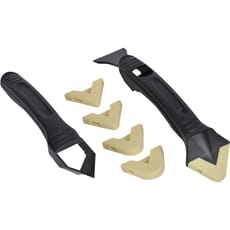
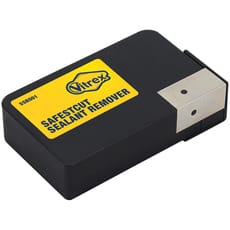
Sealant cleaners and removers are essential tools for tradespeople and DIY enthusiasts working with silicone, acrylic, and hybrid sealants. Whether refreshing tired bathroom seals, preparing surfaces for new installations, or correcting application mistakes, these specialised products safely and efficiently remove old, damaged, or poorly applied sealant without damaging tiles, glass, ceramic, or painted finishes. MyToolShed.co.uk stocks both chemical sealant removers and mechanical removal tools from trusted brands including Everbuild, Draper, and Vitrex.
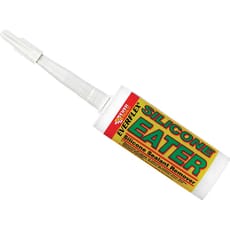
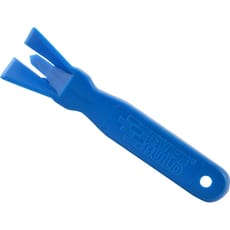
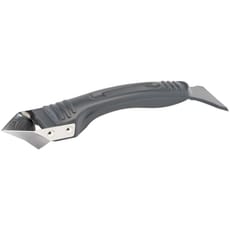
Chemical solutions like silicone eater work by breaking down the molecular bonds in cured sealant, making removal easier without excessive force. Mechanical tools, including specially designed scrapers and finishing tools, provide the precision needed to strip out old sealant from joints and create professional smooth finishes on new applications. Complete tool kits combine both approaches, offering comprehensive solutions for sealant removal and reapplication projects whilst saving time on site and reducing the risk of surface damage.
Applications
Sealant removal and finishing tools are essential kit for a wide range of trades and users:
- Bathroom Fitters: Removing and replacing shower seals, bath seals, and basin joints during refurbishment work
- Tilers: Finishing tile installations with neat sealant joints and removing old sealant during renovations
- Kitchen Fitters: Sealing worktops, splashbacks, and sink installations with professional finishes
- Window Fitters and Glaziers: Sealing window and door frames, removing failed seals on existing installations
- Plumbers: Sealing sanitaryware installations and removing old seals during replacements
- General Builders: Completing various sealing tasks across different trades during construction projects
- Property Maintenance Teams: Managing ongoing repairs in rental properties, housing associations, and commercial buildings
- DIY Enthusiasts: Tackling home improvement projects including bathroom and kitchen refurbishments
Choosing The Right Sealant Cleaners & Removers
Type of Sealant: Identify whether you're removing silicone, acrylic, or hybrid sealants. Silicone is more resilient and often requires chemical removers, whilst acrylic can sometimes be removed mechanically. Chemical products like silicone eater are specifically formulated for stubborn silicone sealants.
Surface Type: Delicate surfaces like ceramic tiles, glass, or acrylic baths require non-abrasive removal methods. Choose tools with plastic or rubber edges for sensitive surfaces, whilst tougher substrates can accommodate more aggressive mechanical removal.
Job Scale: For occasional domestic use, a basic removal tool may suffice. Tradespeople working on multiple installations daily should invest in comprehensive kits from MyToolShed.co.uk that include both strip-out and smooth-out tools, plus chemical removers for problem jobs.
Kit vs Individual Tools: Complete sealant tool kits offer excellent value for regular users, providing strip-out tools, finishing tools, and sometimes chemical removers in one package, ensuring you have the right tool for every stage of the job.
Safety Information
Chemical Removers: Products like silicone eater contain solvents requiring careful handling. Always wear appropriate PPE including chemical-resistant gloves and safety glasses. Work in well-ventilated areas to avoid inhaling fumes and follow COSHH regulations on commercial sites.
Sharp Tools: Sealant removal tools feature sharp edges designed to cut through cured sealant. Always cut away from your body and keep fingers clear of the blade path to prevent accidental cuts.
Surface Protection: Test removal methods on inconspicuous areas first, especially on delicate surfaces. Excessive force or inappropriate tools can scratch tiles, damage acrylic baths, or strip paint from surfaces.
Frequently Asked Questions
Can I remove silicone sealant without chemicals?
Yes, mechanical removal using a purpose-built strip-out tool is often sufficient, particularly if the sealant is already peeling or damaged. However, well-adhered silicone may require a chemical silicone eater to soften it first, making removal easier and reducing the risk of surface damage.
How long does silicone eater take to work?
Most silicone eater products require 15-60 minutes to effectively soften cured silicone, depending on the product formulation and the age of the sealant. Always follow the manufacturer's instructions for application time. Older, thicker sealant may require longer or repeated applications for complete removal.
What's the difference between strip-out and smooth-out tools?
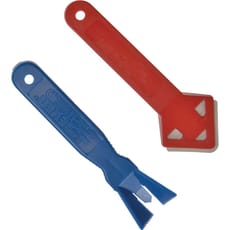
Strip-out tools are designed to remove old sealant, featuring sharp or firm edges that get underneath cured sealant to lift it away. Smooth-out tools are used after applying new sealant to create a professional, shaped profile. Many professional kits include both types for complete sealant jobs.