

Scribers
Pay in 3 interest-free payments on purchases from £30-2000 with  . Learn more.
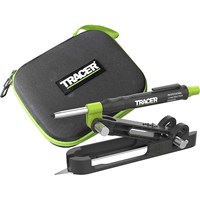
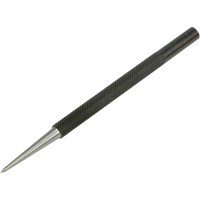
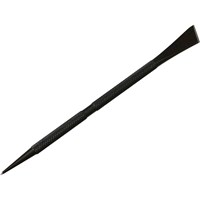
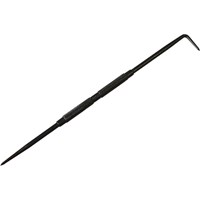
 Loading...
End of content
Error - No more pages to load
About Scribers
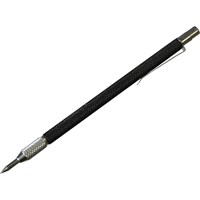
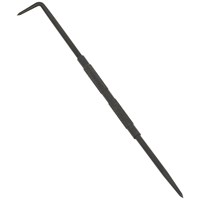
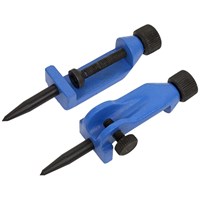
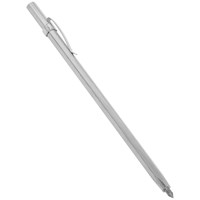
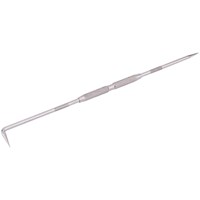
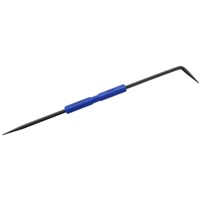
Scribers are essential precision marking tools used to create fine, permanent lines on metal, wood, plastic, and other hard materials. Unlike pencils or markers, scribers use hardened or carbide-tipped points to scratch a visible line directly into the material surface, ensuring accurate marking that won't rub off during fabrication or machining processes. MyToolShed.co.uk stocks a comprehensive range of scribers from trusted brands including Faithfull, Draper, Priory, and Sealey.
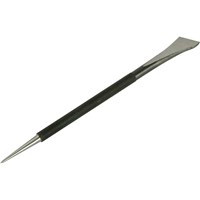
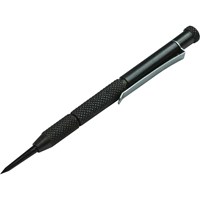
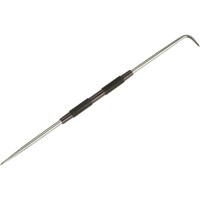
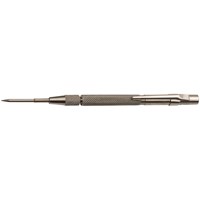
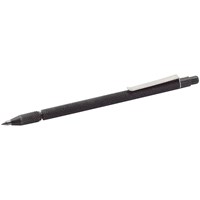
Available in various configurations including pocket scribers, double-ended scribers, and engineers' scribers, these tools are indispensable for metalworking, engineering, carpentry, and general workshop applications. From carbide-tipped models for extreme durability to combination scribers with multiple marking options, MyToolShed offers scribers suitable for both professional tradespeople and dedicated DIY enthusiasts requiring precise layout work.
Applications
Scribers are widely used across numerous trades and applications, including:
- Engineering and metalworking: Marking cut lines, drill centres, and assembly points on steel, aluminium, and other metals
- Fabrication workshops: Laying out complex shapes and transfer measurements on sheet metal
- Automotive repair: Marking body panels and chassis components for modification or repair
- Carpentry and joinery: Scribing timber to fit irregular surfaces and creating precise cut lines
- Maintenance engineers: Marking reference points on machinery and equipment
- Model making: Creating fine detail lines on plastic and metal models
- General workshop tasks: Any application requiring permanent, accurate marking on hard materials
Choosing The Right Scribers
When selecting scribers from MyToolShed.co.uk, consider these important factors:
- Tip material: Carbide or tungsten carbide tips offer superior durability and stay sharp longer than hardened steel points, especially when marking very hard materials
- Configuration: Double-ended scribers provide two working points in one tool, whilst pocket scribers feature retractable tips for safe carrying
- Handle design: Knurled or textured handles improve grip and control for precise marking; consider ergonomics for extended use
- Point geometry: Knife-edge scribers suit specific applications like fitting work, whilst standard needle points excel at general marking tasks
- Length and reach: Engineers' scribers offer extended reach for large workpieces, whilst compact pocket models suit tight spaces
- Brand quality: Professional brands like Priory, Faithfull, and Expert by Facom ensure consistent performance and longevity
Safety Information
Scribers feature sharp points that can cause injury if mishandled. Always store scribers with protective caps or in designated tool storage to prevent accidental contact. When not in use, retract pocket scriber points fully. Keep fingers behind the marking direction to avoid puncture injuries. Wear appropriate eye protection when scribing hard materials that may produce fine particles or chips.
Frequently Asked Questions
What's the difference between a scriber and a scratch awl?
Whilst both create marks by scratching, scribers are specifically designed for precision marking with finer points and better control, making them ideal for engineering and metalwork. Scratch awls typically have thicker points suited to heavier marking and starting holes in softer materials.
How do I maintain my scriber's point?
Carbide-tipped scribers rarely need sharpening with normal use. Hardened steel points can be dressed carefully on a fine stone if dulled. Always store scribers properly to protect the point from damage, and avoid using them as punches or pry bars.
Can scribers be used on hardened steel?
Carbide-tipped scribers can mark hardened steel effectively, though the tip will wear faster than on softer materials. For regular work on hardened surfaces, tungsten carbide tipped models offer the best durability and marking performance.