

Scrapers
Pay in 3 interest-free payments on purchases from £30-2000 with  . Learn more.
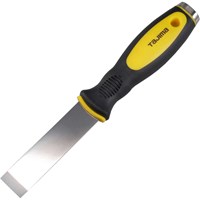
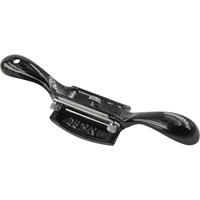
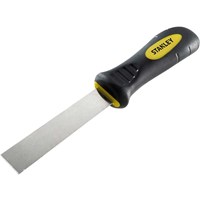
 Loading...
End of content
Error - No more pages to load
About Scrapers
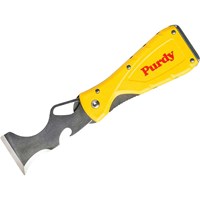
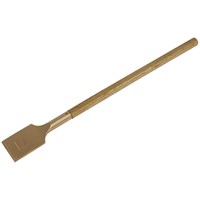
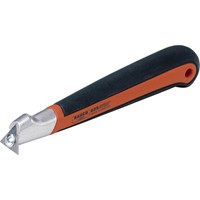
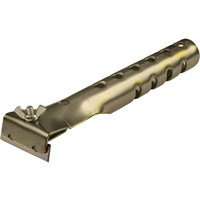
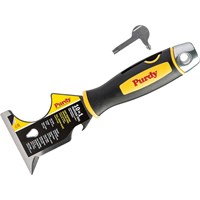
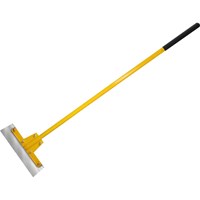
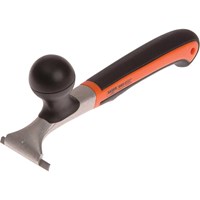
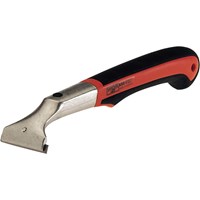
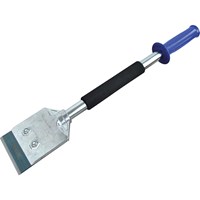
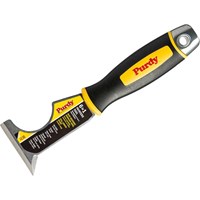
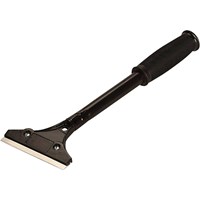
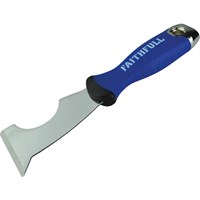
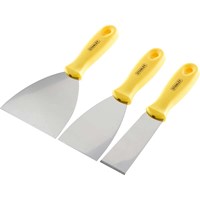
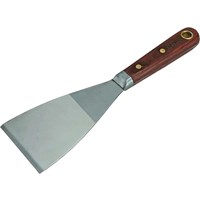
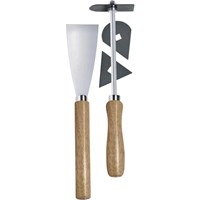
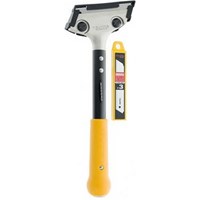
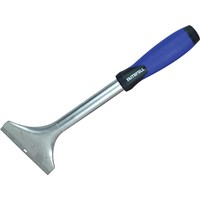
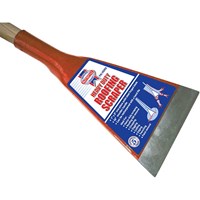
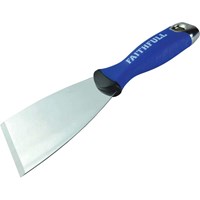
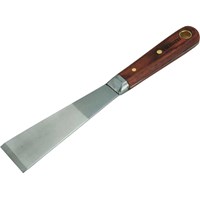
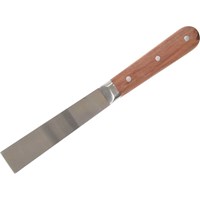
Scrapers are essential hand tools used across trades for removing paint, adhesives, sealants, and unwanted surface materials from a variety of substrates. MyToolShed.co.uk stocks an extensive range of scrapers including heavy-duty floor scrapers, precision cabinet scrapers, carbide blade scrapers, and multi-purpose stripping knives from trusted brands such as Faithfull, Bahco, Stanley, and Draper. Whether you're preparing surfaces for redecoration, removing old roofing felt, or achieving a smooth finish on woodwork, the right scraper makes light work of tough jobs.
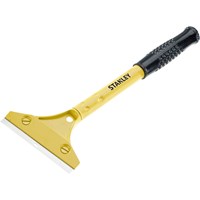
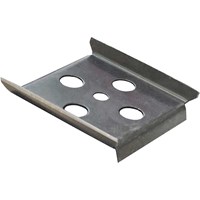
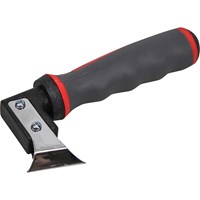
Our scraper collection features models with tungsten carbide blades for extended durability, soft-grip handles for comfort during prolonged use, and specialist designs including pull scrapers, pocket scrapers, and long-handle variants for floor work. With replacement blades readily available, these tools deliver long-term value for professional tradespeople and DIY enthusiasts alike.
Applications
Scrapers are indispensable tools for numerous trades and applications:
- Painters and Decorators: Removing flaking paint, wallpaper paste, and preparing surfaces for repainting
- Carpenters and Joiners: Smoothing wood surfaces, removing excess glue, and fine finishing cabinet work
- Roofers: Stripping old felt, removing bitumen, and preparing roof surfaces
- Plasterers: Cleaning tools and removing dried plaster from surfaces
- Floor Fitters: Removing old adhesives, vinyl, and preparing subfloors
- General Maintenance: Cleaning machinery, removing stickers and labels, and workshop upkeep
- Automotive Work: Removing gaskets, decals, and surface contaminants
Choosing The Right Scrapers
Selecting the appropriate scraper depends on your specific task and working conditions:
- Blade Material: Tungsten carbide blades offer superior durability for heavy-duty applications, whilst standard steel blades suit lighter tasks and are more economical to replace
- Handle Length: Long-handle floor scrapers provide leverage and reduce back strain for large horizontal surfaces, whereas standard handles offer better control for detailed work
- Handle Design: Soft-grip handles reduce fatigue during extended use and improve control in wet conditions
- Blade Width: Wider blades cover more area quickly; narrow blades access tight spaces and provide precision
- Blade Angle: Pull scrapers work differently to push scrapers – consider which action suits your typical applications
- Replacement Blades: Check blade availability for your chosen model at MyToolShed.co.uk to ensure ongoing affordability
Safety Information
Scrapers feature sharp blades that require careful handling. Always direct the blade away from your body and keep hands behind the cutting edge. Wear appropriate gloves to protect against cuts and eye protection when removing materials that may flake or splinter. Ensure workpieces are securely held or positioned to prevent slipping. Store scrapers with blade guards fitted or blades retracted to prevent accidental injury. Replace damaged or excessively worn blades promptly, as dull blades require more force and increase the risk of slipping.
Frequently Asked Questions
How often should I replace scraper blades?
Replace blades when they become noticeably dull or damaged. Carbide blades typically last considerably longer than standard steel blades, but frequency depends on the materials being scraped. A sharp blade requires less force and produces better results, so replace at the first sign of reduced performance.
What's the difference between a cabinet scraper and a paint scraper?
Cabinet scrapers are precision woodworking tools with thin, rectangular blades designed to shave fine layers from timber for a smooth finish. Paint scrapers feature thicker, more robust blades mounted in handles, designed for removing coatings and adhesives from various surfaces with greater force.
Can I use a scraper on delicate surfaces?
For delicate surfaces, choose scrapers with plastic or brass blades that won't scratch, or work carefully with a sharp steel blade at a shallow angle. Test in an inconspicuous area first, and consider using a cabinet scraper for fine woodwork where surface preservation is critical.