
Scissor Jacks
Pay in 3 interest-free payments on purchases from £30-2000 with  . Learn more.
 Loading...
End of content
Error - No more pages to load
About Scissor Jacks
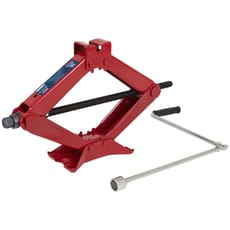
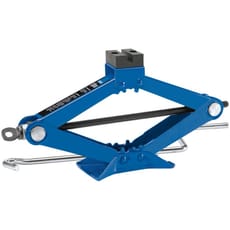
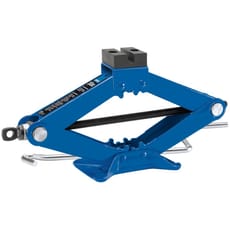
Scissor jacks are mechanical lifting devices that use a distinctive X-shaped mechanism to safely raise vehicles, motorcycles and equipment off the ground. Operating through either a manual threaded screw or hydraulic system, these compact jacks provide stable lifting for tyre changes, maintenance work and repairs. MyToolShed.co.uk stocks professional-grade scissor jacks from leading manufacturers including Draper and Sealey, designed to meet the demands of both trade professionals and serious DIY enthusiasts.
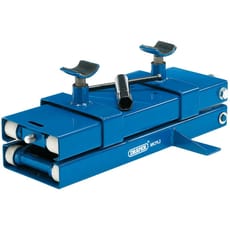
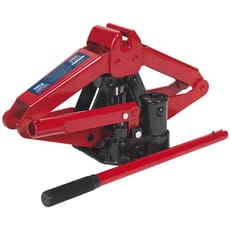
Available in capacities typically ranging from 1 tonne to 2 tonnes, scissor jacks offer excellent stability thanks to their wide base and low-profile design. Models include standard manual versions operated with a turning handle, hydraulic scissor jacks for easier lifting with less physical effort, and specialised motorcycle frame scissor jacks with adjustable width and padded lifting plates. Their compact folded size makes them ideal for storing in vehicle boots or mobile service vans whilst maintaining robust steel construction for regular professional use.
Applications
- Mobile mechanics - on-site vehicle repairs requiring compact, reliable lifting equipment
- Motorcycle technicians - stable servicing and maintenance using frame-specific scissor jacks
- Fleet maintenance teams - maintaining company vehicles, vans and light commercial vehicles
- Tyre fitters - quick wheel changes and tyre rotation services
- MOT centres - vehicle inspection and testing equipment
- Breakdown recovery operators - reliable backup equipment for roadside assistance
- Car enthusiasts and DIY mechanics - home garage maintenance and restoration projects
- Caravan and motorhome owners - emergency tyre changes and seasonal maintenance
- Agricultural workers - lifting small farm machinery and utility vehicles
Choosing The Right Scissor Jacks
Weight Capacity: Calculate your vehicle's corner weight (approximately 25-30% of total weight) and select a jack with capacity well above this figure. A 1.5 to 2 tonne capacity suits most cars, whilst larger commercial vehicles may require heavy-duty models rated at 2 tonnes or more.
Height Range: Measure ground clearance at jacking points when unladen. The scissor jack's minimum height must fit beneath this point, whilst maximum extended height should provide sufficient working clearance. Low-profile vehicles require jacks with particularly low minimum heights.
Lifting Mechanism: Manual scissor jacks are economical and reliable for occasional use but require more physical effort. Hydraulic models reduce operator fatigue and speed up lifting, making them ideal for professional workshops and frequent use.
Build Quality: MyToolShed.co.uk stocks scissor jacks constructed from heavy-gauge steel with corrosion-resistant finishes. Look for wide bases for better stability, reinforced joints to prevent flexing under load, and secure saddles with rubber pads to prevent slipping.
Specialist Applications: Motorcycle owners should choose dedicated motorcycle frame scissor jacks with adjustable width and frame-specific padded lifting plates rather than standard automotive jacks.
Safety Information
Never work beneath a vehicle supported only by a scissor jack. Always use properly rated axle stands on solid, level ground once lifted. Scissor jacks are designed for lifting only, not for supporting vehicles during maintenance work.
Ensure ground surface is firm, flat and level before positioning your jack. Soft ground or slopes can cause dangerous tipping. Always consult your vehicle handbook to locate correct jacking points. Apply the parking brake, engage gear, and use wheel chocks on remaining wheels before lifting.
Regularly inspect for wear, damage or corrosion. Keep threads clean and lightly lubricated, and never exceed stated weight capacity. Keep hands and body parts clear of the scissor mechanism during operation to prevent crush injuries.
Frequently Asked Questions
What's the difference between a standard scissor jack and a hydraulic scissor jack?
Standard scissor jacks use a manual screw mechanism requiring physical effort to raise and lower vehicles. Hydraulic scissor jacks incorporate a hydraulic cylinder requiring only minimal pumping action, making them faster and less labour-intensive. Hydraulic models are ideal for professional use, whilst manual versions are more economical and require no hydraulic seal maintenance.
How do I know what weight capacity I need?
Calculate approximately 25-30% of your vehicle's gross weight to determine corner weight. For example, a 1,500kg car has a corner weight around 375-450kg, so a 1 tonne jack provides adequate capacity. Choose a jack with capacity significantly above your calculated requirements for additional safety margin. Heavy commercial vehicles and vans typically require 2 tonne or higher ratings.
Can I use a car scissor jack for motorcycle maintenance?
Whilst technically possible, it's not recommended. Standard automotive scissor jacks lack the adjustable width and frame-specific saddles that motorcycle scissor jacks provide. Dedicated motorcycle frame scissor jacks feature padded lifting plates designed specifically for bike frames, providing superior stability without causing damage.