
Saw Blades & Holesaws

Pay in 3 interest-free payments on purchases from £20-£3000 with  . Learn more.
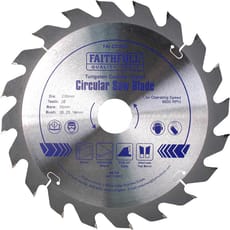
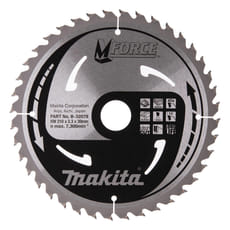

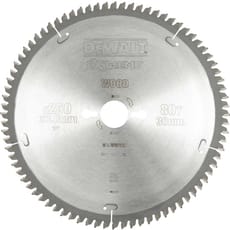
 Loading...
End of content
Error - No more pages to load
About Saw Blades & Holesaws
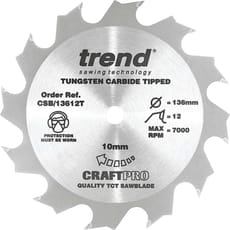
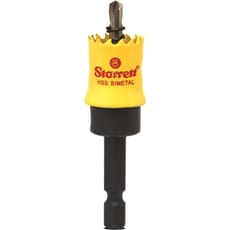
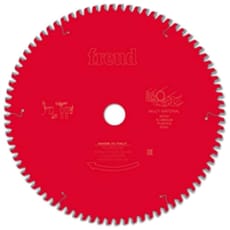
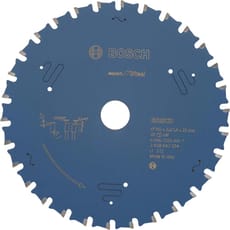
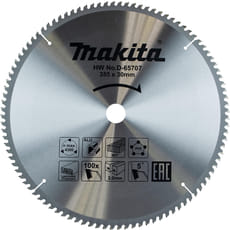
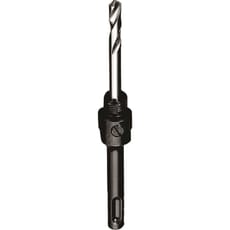
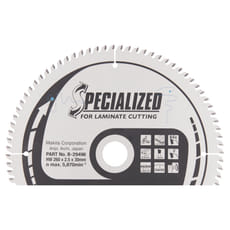
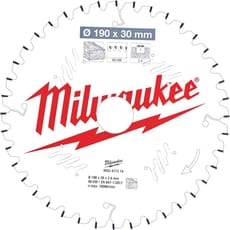
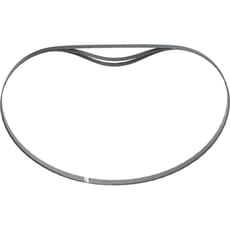
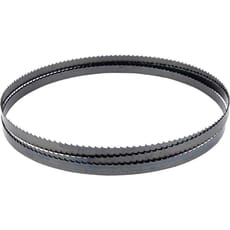
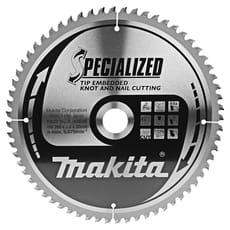
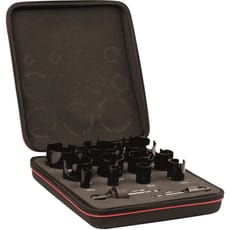
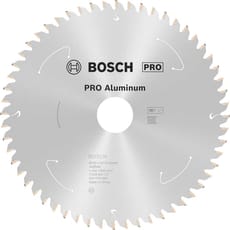
Saw blades and holesaws are essential cutting accessories for powered tools, designed to tackle a diverse range of materials and applications across construction, joinery, metalwork and general maintenance. MyToolShed.co.uk stocks an extensive selection of specialist saw blades including circular saw blades, jigsaw blades, reciprocating saw blades, bandsaw blades and innovative cutting solutions like Nanoblade technology. Our holesaw range provides clean, accurate circular cuts in wood, metal, plastic and masonry for pipe installations, cable routing and hardware fitting.
Each blade type is engineered for specific cutting tasks and materials. Circular saw blades deliver precise straight cuts in timber and sheet materials, whilst jigsaw blades excel at curved and intricate work. Reciprocating and sabre saw blades handle aggressive demolition and pruning tasks, and holesaws with their arbor systems create perfectly circular apertures from 14mm to over 150mm diameter. Choosing the correct blade specification ensures optimal cutting performance, prolonged blade life and professional results across all trades.
Applications
Saw blades and holesaws serve virtually every trade and industry:
- Carpenters and joiners: Cutting timber, manufactured boards, worktops and flooring with circular saw, jigsaw and scroll saw blades
- Electricians: Creating access holes for back boxes, downlighters and cable routing using holesaws and wall chaser blades
- Plumbers: Cutting pipework apertures in joists, walls and panels with holesaws and reciprocating saw blades
- Metal fabricators: Cutting steel, aluminium and non-ferrous metals using specialist bandsaw and circular saw blades
- General builders: Demolition work, cutting masonry, timber and mixed materials with aggressive reciprocating blades
- Kitchen and bathroom fitters: Precision cuts in worktops, panels and tiles using jigsaw and holesaw systems
- Maintenance engineers: Equipment repair and modification across diverse materials
Choosing The Right Saw Blades & Holesaws
Selecting appropriate saw blades depends on several critical factors:
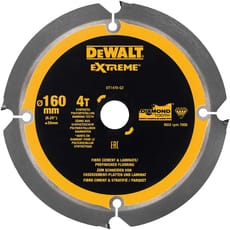
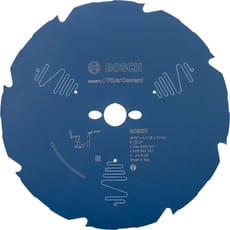
Material compatibility: Match blade tooth design and construction to your workpiece – wood-cutting blades feature different tooth geometries to metal-cutting variants. Bi-metal holesaws handle both wood and metal, whilst carbide-tipped options suit abrasive materials like tiles and fibre cement.
Tool compatibility: Verify blade fitment matches your power tool – jigsaw blades use T-shank or U-shank fittings, circular saw blades require correct bore diameter and arbor size, and holesaws need compatible arbor systems. Always check manufacturer specifications.
Cut quality requirements: Fine-tooth blades deliver smoother finishes for visible joinery, whilst aggressive tooth patterns suit rough cutting and demolition. MyToolShed.co.uk stocks blades ranging from precision scroll saw blades to heavy-duty alligator saw blades for extreme applications.
Blade longevity: Consider frequency of use – professional tradespeople benefit from premium carbide or bi-metal blades offering extended lifespan, whilst occasional DIY users may find standard HSS options more economical.
Safety Information
Always wear appropriate eye protection when using saw blades and holesaws, as cutting generates projectile debris. Ensure blades are correctly fitted and tightened before operation, and verify maximum rated speed matches your power tool specifications. Disconnect 240v power tools from the mains before changing blades. Allow blades to cool after use before handling, and inspect regularly for damage, replacing worn or cracked blades immediately. Secure workpieces firmly and maintain proper hand positioning away from the cutting line.
Frequently Asked Questions
What's the difference between TPI ratings on saw blades?
TPI (teeth per inch) determines cut speed and finish quality. Lower TPI (6-10) cuts faster through thick materials but leaves rougher edges, ideal for demolition work. Higher TPI (18-32) produces smoother cuts in thin materials, preferred for metalwork and fine joinery. Match TPI to your material thickness and finish requirements.
Can I use wood holesaws on metal or vice versa?
Dedicated wood holesaws lack the tooth hardness for metal cutting and will quickly dull. Metal-cutting holesaws can cut wood but cut slowly due to finer teeth. Bi-metal holesaws available at MyToolShed.co.uk offer versatility across both materials, making them ideal for mixed-trade applications.
How do I prevent jigsaw blades from breaking?
Use appropriate blades for your material, avoid forcing the tool forward, ensure adequate blade projection beyond the workpiece, and reduce cutting speed when navigating tight curves. Replace worn blades promptly and check your jigsaw's orbital action setting suits the material being cut.