
Satin Varnish

Pay in 3 interest-free payments on purchases from £20-£3000 with  . Learn more.
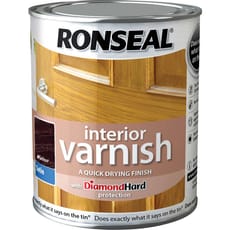
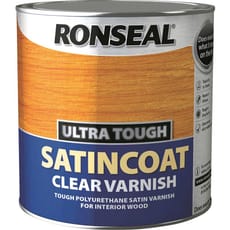
 Loading...
End of content
Error - No more pages to load
About Satin Varnish
Satin varnish provides a subtle, low-sheen finish that falls between matt and gloss, offering excellent protection for interior woodwork whilst enhancing the natural beauty of timber. This versatile finish is ideal for furniture, doors, skirting boards, and other wooden surfaces that require a durable yet understated appearance. MyToolShed.co.uk stocks professional-grade satin varnishes from trusted brands like Ronseal, designed to deliver long-lasting results for both trade professionals and DIY enthusiasts.
The satin finish creates a soft lustre that resists showing fingerprints and dust whilst remaining easy to maintain. Modern formulations include quick-dry variants that allow for faster project completion and ultra-tough options that provide enhanced resistance to scuffs, scratches, and daily wear. Whether refinishing antique furniture or protecting new joinery work, quality satin varnish from MyToolShed.co.uk ensures a professional finish that stands the test of time.
Applications
Satin varnish is widely used across various trades and projects, including:
- Joiners and carpenters – finishing doors, window frames, staircases, and custom woodwork
- Cabinet makers – protecting kitchen cabinets, wardrobes, and bespoke furniture
- Shopfitters – sealing retail fixtures, display units, and commercial fittings
- Property maintenance professionals – refurbishing skirting boards, architraves, and interior trim
- Furniture restorers – reviving antique pieces and wooden heirlooms
- DIY enthusiasts – home improvement projects including table refinishing and interior decoration
- Interior designers – achieving specific aesthetic finishes on wooden features
Choosing The Right Satin Varnish
When selecting satin varnish, consider these key factors:
- Drying time – Quick-dry formulations allow for recoating within hours, whilst standard varnishes may require overnight drying between coats
- Durability requirements – Ultra-tough variants offer superior resistance for high-traffic areas like hallways and staircases
- Substrate type – Ensure compatibility with your wood species; some varnishes work better on hardwoods versus softwoods
- Application method – Check whether the product is suitable for brush, roller, or spray application
- Number of coats – Some products provide adequate protection in two coats, whilst others may require three or more
- VOC content – Consider low-VOC or water-based options for improved indoor air quality during application
- Coverage rate – Calculate how much product you'll need based on square metre coverage per litre
Frequently Asked Questions
What's the difference between satin and gloss varnish?
Satin varnish provides a subtle, low-sheen finish that creates a soft lustre, whilst gloss varnish delivers a high-shine, reflective surface. Satin is less prone to showing imperfections, fingerprints, and dust, making it ideal for everyday furniture and interior woodwork.
How many coats of satin varnish should I apply?
Most projects require 2-3 coats of satin varnish for optimal protection and finish. Lightly sand between coats with fine-grit sandpaper (240-320 grit) for the best adhesion and smooth final result. Always consult the manufacturer's instructions for specific recommendations.
Can I apply satin varnish over existing finishes?
Generally, you should remove old varnish, paint, or wax before applying fresh satin varnish to ensure proper adhesion. Lightly sand the surface to create a key, remove all dust, and apply your new varnish to bare or previously varnished wood that's been properly prepared.