

Satin Aerosol Paint
Pay in 3 interest-free payments on purchases from £30-2000 with  . Learn more.
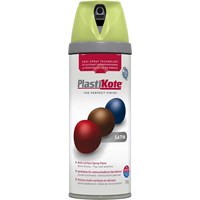
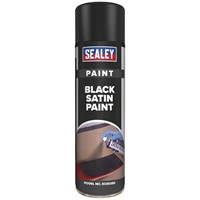
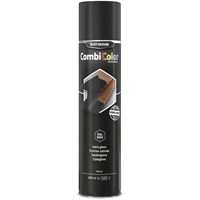
 Loading...
End of content
Error - No more pages to load
About Satin Aerosol Paint
Satin aerosol paint delivers a versatile, low-sheen finish that sits perfectly between matt and gloss, offering excellent durability and an attractive appearance for both professional and DIY applications. MyToolShed.co.uk stocks a carefully selected range of satin finish spray paints from trusted brands including Draper, Plastikote, Rust Oleum, and Sealey, suitable for metal, wood, and various other surfaces.
The satin finish provides superior coverage with excellent flow characteristics, making it ideal for refreshing tools, equipment, machinery, furniture, and metalwork. These aerosol formulations offer convenient application without the need for brushes or spray equipment, delivering a smooth, professional finish that resists chipping, fading, and weathering.
Applications
Satin aerosol paints are used across numerous trades and applications:
- General contractors and builders – site equipment, scaffolding components, and metal fixtures
- Fabricators and welders – finishing metalwork, gates, railings, and structural components
- Motor mechanics and vehicle restorers – chassis components, brackets, and under-bonnet parts
- Maintenance engineers – refurbishing machinery, industrial equipment, and workshop tools
- Shop fitters and joiners – metal fittings, display units, and decorative metalwork
- DIY enthusiasts – garden furniture, radiators, household fixtures, and restoration projects
- Property maintenance – gates, fencing, guttering, and exterior metalwork
Choosing The Right Satin Aerosol Paint
When selecting satin aerosol paint from MyToolShed.co.uk, consider these important factors:
- Surface compatibility – ensure the paint is suitable for your substrate (metal, wood, plastic, or previously painted surfaces)
- Interior or exterior use – check whether the formulation offers weather resistance and UV protection for outdoor applications
- Drying time – consider rapid-dry formulations for faster project completion and reduced dust contamination
- Coverage area – calculate the number of cans required based on the manufacturer's coverage per aerosol
- Colour range – verify availability in your required shade, with popular options including black, white, grey, and metallic finishes
- Primer requirements – determine if a primer coat is needed for optimal adhesion and durability
- Temperature resistance – for applications involving heat exposure, select paints rated for appropriate temperatures
Safety Information
Satin aerosol paints contain flammable solvents and should be used with appropriate safety precautions. Always work in well-ventilated areas or outdoors to avoid inhaling vapours. Wear suitable respiratory protection, gloves, and eye protection during application. Keep aerosols away from naked flames, sparks, and heat sources. Store in a cool, dry location away from direct sunlight. Dispose of empty cans responsibly according to local regulations. Never puncture or incinerate aerosol containers, even when empty.
Frequently Asked Questions
What's the difference between satin and gloss aerosol paint?
Satin finish provides a subtle, low-sheen appearance with approximately 30-40% gloss level, whereas gloss paint delivers a high-shine reflective finish. Satin is more forgiving on imperfect surfaces and shows fewer fingerprints and marks, making it ideal for practical applications and working equipment.
How many coats of satin aerosol paint do I need?
Typically, 2-3 light coats provide optimal coverage and finish quality. Apply thin, even coats with 10-15 minutes drying time between applications, rather than one heavy coat which may run or sag. Always follow the manufacturer's specific recommendations on the can.
Can satin aerosol paint be used on rusty metal?
For best results, remove loose rust with a wire brush or abrasive paper before painting. Some formulations like Rust Oleum CombiColor offer rust-inhibiting properties and can be applied directly to lightly rusted surfaces, though heavily corroded metal should be properly prepared or treated with a rust converter first.