

Sanding Sheets
Pay in 3 interest-free payments on purchases from £30-2000 with  . Learn more.
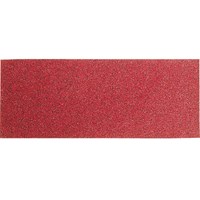
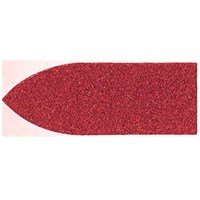
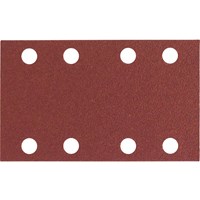
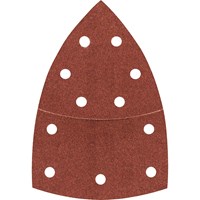
 Loading...
End of content
Error - No more pages to load
About Sanding Sheets
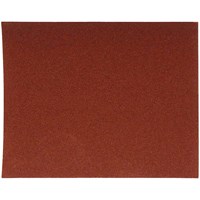
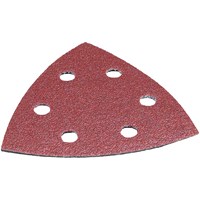
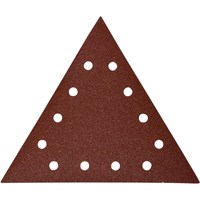
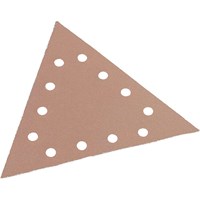
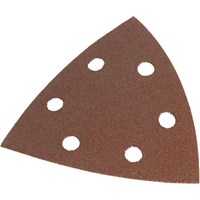
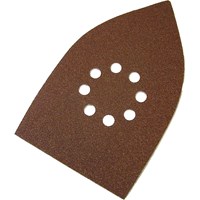
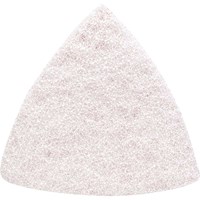
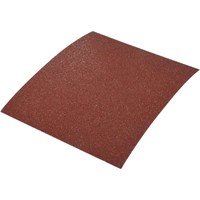
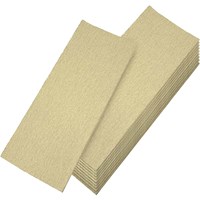
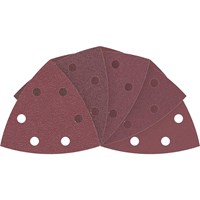
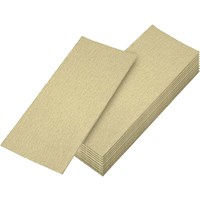
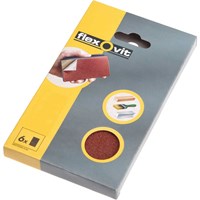
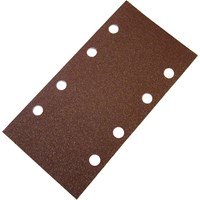
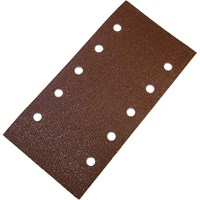
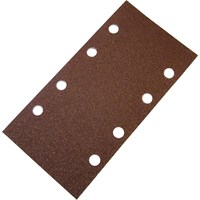
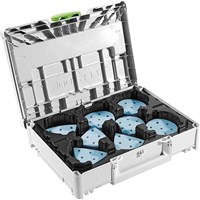
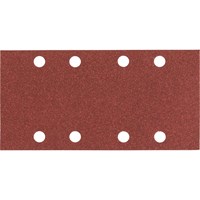
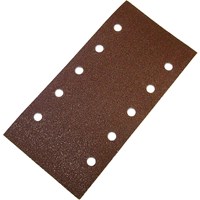
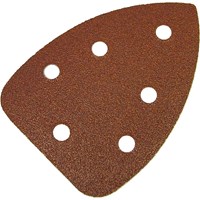
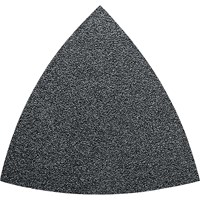
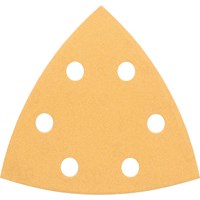
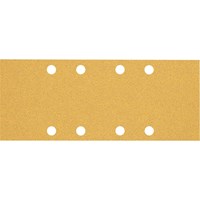
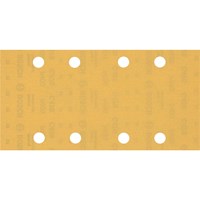
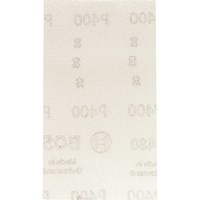
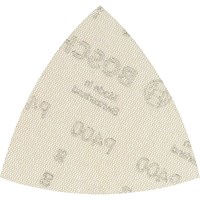
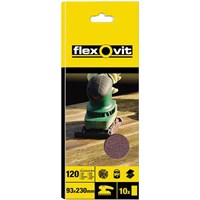
Sanding sheets are essential abrasive products designed to fit a variety of power sanders, enabling efficient surface preparation, finishing and smoothing across wood, metal, painted surfaces and composite materials. Available in multiple grit grades from coarse to ultra-fine, sanding sheets deliver precise material removal and finishing results for both professional tradespeople and DIY enthusiasts. MyToolShed.co.uk stocks a comprehensive range including delta, mouse, multi-tool and orbital sanding sheets to suit different sander types and applications.
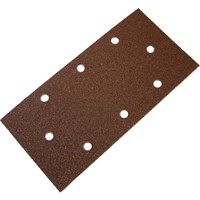
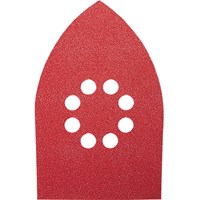
Each sanding sheet format is engineered for specific sander shapes and sizes, with features such as hook-and-loop backing for quick changes, pre-punched dust extraction holes for cleaner working, and durable abrasive coatings that resist clogging. Whether you're smoothing joinery, preparing surfaces for decoration, or finishing metalwork, selecting the correct sheet type and grit ensures optimal results and extends the life of your power sander.
Applications
Sanding sheets are used across numerous trades and projects, including:
- Carpentry and joinery – smoothing timber joints, finishing furniture and preparing woodwork
- Decorating and painting – surface preparation, removing old paint and creating key for new coatings
- Automotive restoration – flatting paintwork, removing rust and preparing bodywork for refinishing
- Metalworking – deburring edges, removing surface oxidation and achieving smooth finishes
- Kitchen and bathroom fitting – preparing worktops, smoothing laminate edges and finishing cabinetry
- General maintenance and DIY – furniture restoration, home improvement projects and repair work
Choosing The Right Sanding Sheets
Selecting appropriate sanding sheets depends on several key factors:
- Sander compatibility – match the sheet format (delta, mouse, orbital or multi-tool) to your specific power sander model
- Grit grade – coarse grits (40-60) for heavy material removal, medium (80-120) for general sanding, fine (150-240) for finishing, and ultra-fine (320+) for final polishing
- Material type – aluminium oxide for wood and metal, silicon carbide for harder materials, and specialised abrasives for specific applications
- Backing type – hook-and-loop (Velcro-style) for quick changes or adhesive-backed for secure fixing
- Dust extraction – pre-punched holes that align with your sander's extraction pattern improve efficiency and visibility
- Pack quantity – bulk packs from MyToolShed.co.uk offer better value for frequent users and professional tradespeople
Safety Information
Always wear appropriate dust masks or respirators when sanding, particularly when working with MDF, treated timber or painted surfaces that may contain harmful particles. Use safety glasses to protect against flying debris, and ensure adequate ventilation in your workspace. Regularly check sanding sheets for wear and replace damaged sheets to maintain control and prevent accidents. Connect your sander to suitable dust extraction equipment where possible to minimise airborne particles and maintain a cleaner working environment.
Frequently Asked Questions
What grit sanding sheet should I start with?
For most projects, begin with 80-grit for initial smoothing, progress to 120-grit for general finishing, then use 180-240 grit for final preparation before painting or varnishing. Start with coarser grits only when removing substantial material or old finishes.
How do I know when to replace a sanding sheet?
Replace sanding sheets when they lose cutting efficiency, become clogged with material, show visible wear patches, or tear. Worn sheets generate excess heat, produce poor finishes and can damage your workpiece.
Are sanding sheets interchangeable between different sander brands?
Sanding sheets are generally compatible across brands if they match the sander type and size (delta, orbital, etc.). However, dust extraction hole patterns may vary, so check compatibility with your specific model when ordering from MyToolShed.co.uk.