

Sanding Blocks
Pay in 3 interest-free payments on purchases from £30-2000 with  . Learn more.


 Loading...
End of content
Error - No more pages to load
About Sanding Blocks
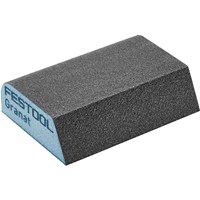
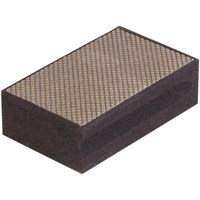
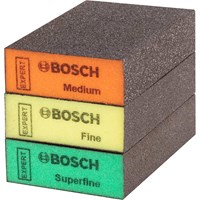
Sanding blocks are essential hand tools for achieving smooth, even finishes on wood, metal, plastics and painted surfaces. Whether you're preparing surfaces for finishing, removing old paint, or smoothing between coats, a quality sanding block provides better control and more consistent results than sandpaper alone. MyToolShed.co.uk stocks a comprehensive range of sanding blocks from trusted brands including Bosch Professional, Festool, Faithfull and Draper, suitable for everything from fine detail work to heavy-duty surface preparation.
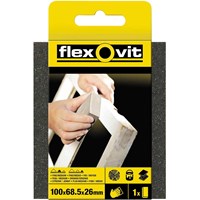
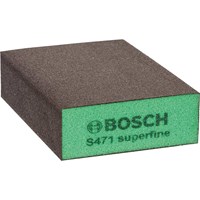
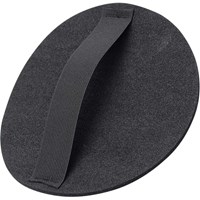
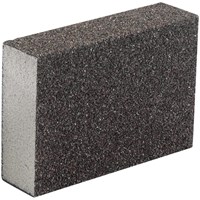
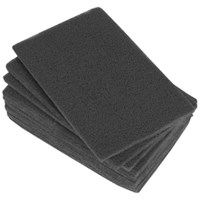
Available in various designs including cork blocks, foam pads, flexible sponges and contoured profiles, sanding blocks help distribute pressure evenly across the abrasive surface. This prevents finger marks, uneven wear and the risk of creating dips or grooves in your workpiece. From basic cork rubbing blocks for traditional woodworking to advanced fleece hand pads for metalwork, MyToolShed offers solutions for professionals and DIY enthusiasts alike.
Applications
Sanding blocks are indispensable tools across numerous trades and applications:
- Carpentry and joinery: Smoothing timber, preparing wood for varnish or paint, removing mill marks
- Decorating and painting: Flatting between paint coats, preparing walls and woodwork, keying surfaces
- Automotive and bodywork: Preparing panels for paint, removing rust, flatting primer coats
- Metalworking: Deburring edges, surface finishing, rust removal
- Cabinet making: Fine finishing work, reaching into profiles and mouldings with contoured blocks
- General DIY: Home improvement projects, furniture restoration, craft work
Choosing The Right Sanding Blocks
Selecting the appropriate sanding block depends on several key factors:
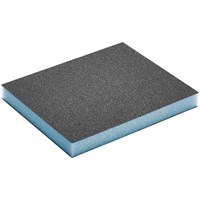
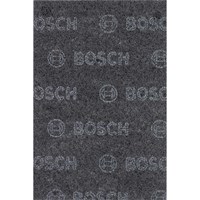
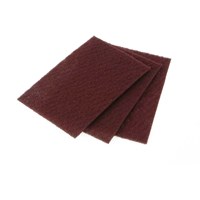
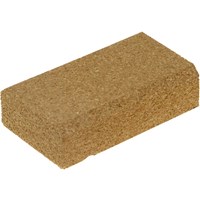
Block material: Cork blocks offer traditional rigidity ideal for flat surfaces. Foam blocks provide cushioning for slightly contoured work, whilst flexible sponges adapt to curves and profiles. Fleece hand pads are excellent for fine finishing and working between coats.
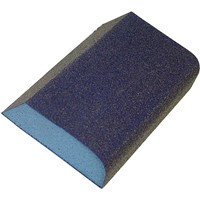
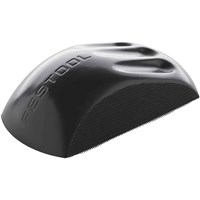
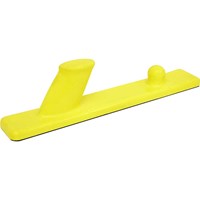
Shape and size: Standard rectangular blocks suit general work, whilst mini or shaped blocks access tight corners, mouldings and detailed areas. Contoured sanding pads conform to irregular surfaces.
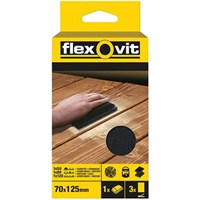
Abrasive compatibility: Ensure your block accepts standard sandpaper sheets or is supplied with compatible abrasives. Some professional blocks feature quick-change systems or come as complete sets with multiple grit grades.
Application requirements: Consider whether you need wet or dry sanding capability, and match the block flexibility to your surface contours. MyToolShed.co.uk stocks specialist options including combi sets that provide multiple profiles for comprehensive coverage.
Frequently Asked Questions
What grit sandpaper should I use with my sanding block?
Start with coarse grits (40-60) for heavy material removal, progress to medium grits (80-120) for general smoothing, and finish with fine grits (180-240) or superfine (320+) for final finishing. Always sand progressively through the grits rather than jumping from coarse to fine.
How do I attach sandpaper to a sanding block?
Most cork and foam blocks use sandpaper cut to size and wrapped around the block, tucked under your fingers whilst working. Some professional blocks feature clips, clamps or hook-and-loop (Velcro) systems for secure paper attachment. Pre-cut sheets sized for standard blocks are widely available.
Can I use sanding blocks for wet sanding?
Yes, many sanding blocks and sponges are suitable for wet sanding applications, particularly when working with automotive primers or achieving ultra-smooth finishes. Ensure you use wet-and-dry abrasive paper and check the block material is water-resistant before use.