

Sanding Belts
Pay in 3 interest-free payments on purchases from £30-2000 with  . Learn more.
 Loading...
End of content
Error - No more pages to load
About Sanding Belts
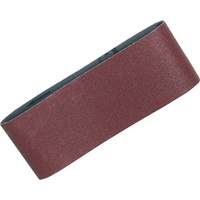
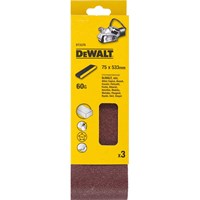
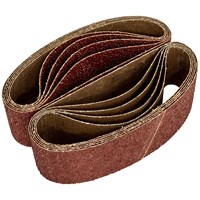
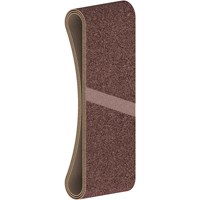
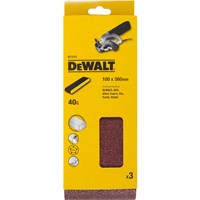
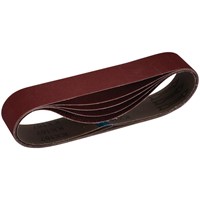
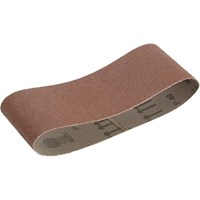
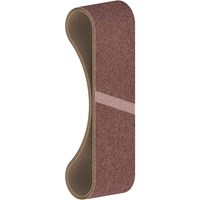
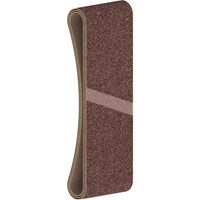
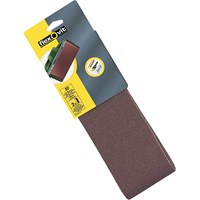
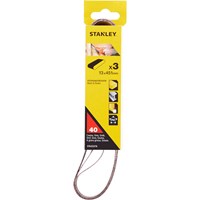
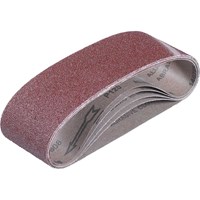
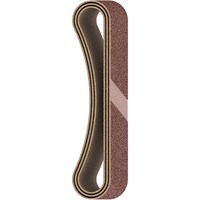
Sanding belts are essential abrasive accessories designed for use with belt sanders, sanding files, and benchtop sanding machines. Available in a wide range of sizes and grit ratings, these continuous loop abrasives deliver efficient material removal and surface finishing across wood, metal, and other materials. MyToolShed.co.uk stocks an extensive selection of sanding belts from leading manufacturers including Bosch Professional, Faithfull, Draper, DeWalt, Makita, Flexovit, and Festool.
Whether you're tackling heavy stock removal, paint stripping, or fine finishing work, choosing the correct belt size and grit rating is crucial for optimal results. Sanding belts range from coarse 40 grit options for aggressive material removal through to fine 240 grit variants for smooth finishing applications. Common sizes include 75mm x 533mm, 100mm x 610mm, and specialist dimensions for specific machine models.
Applications
Sanding belts are used across numerous trades and applications, including:
- Carpentry and joinery – smoothing timber, removing mill marks, and preparing surfaces for finishing
- Furniture making and restoration – refinishing wooden surfaces and removing old varnish or paint
- Metalworking – deburring, surface preparation, and rust removal on metal components
- Automotive repair – bodywork preparation, filler shaping, and paint removal
- General maintenance – surface preparation for painting, decorating, and refurbishment projects
- DIY enthusiasts – home improvement tasks requiring efficient material removal or smoothing
Choosing The Right Sanding Belts
When selecting sanding belts from MyToolShed.co.uk, consider these key factors:
- Belt size – measure your sander's belt dimensions (length x width in mm) or check the manufacturer's specifications to ensure compatibility
- Grit rating – lower numbers (40-60 grit) provide aggressive cutting for heavy stock removal; medium grits (80-120) suit general sanding; higher grits (150-240) deliver fine finishing
- Material type – aluminium oxide belts suit wood and metal; zirconia belts offer durability for demanding applications; ceramic belts provide longest life on hardwoods and metals
- Application requirements – consider whether you're removing paint, smoothing rough timber, or achieving a fine finish before final coating
- Machine compatibility – verify belt dimensions match your specific sander model, as variations of just a few millimetres can prevent proper fitting
Frequently Asked Questions
What grit sanding belt should I use for removing paint?
For paint removal, start with a coarse 60 or 80 grit belt to strip the coating efficiently. Follow up with 120 grit to smooth the surface before applying new finishes. Heavy paint build-up may require starting at 40 grit.
How do I know what size sanding belt I need?
Check your belt sander's manual or the markings on your existing belt. Sanding belts are measured in length x width (e.g., 75mm x 533mm). Even small size differences will prevent proper fitting, so accurate measurement is essential.
How long do sanding belts typically last?
Belt life depends on grit rating, material being sanded, and pressure applied. Coarser belts generally last longer than fine grits. Replace belts when they become glazed, torn, or no longer cut effectively. Quality belts from brands stocked at MyToolShed.co.uk typically offer superior longevity compared to economy alternatives.