

Safety Harnesses & Fall Arrest
Pay in 3 interest-free payments on purchases from £30-2000 with  . Learn more.
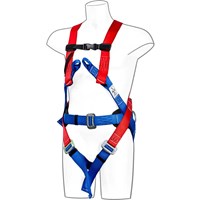
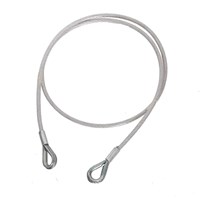
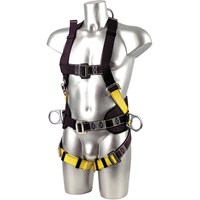
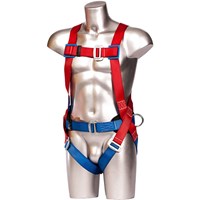
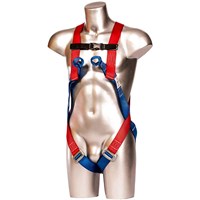
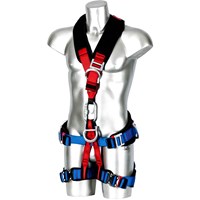
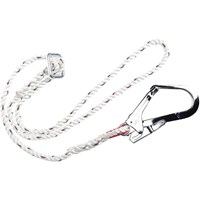
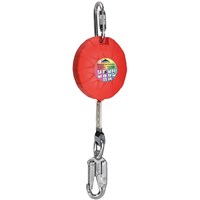
 Loading...
End of content
Error - No more pages to load
About Safety Harnesses & Fall Arrest
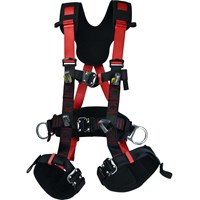
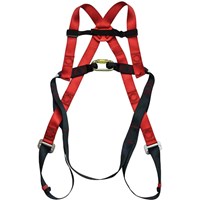
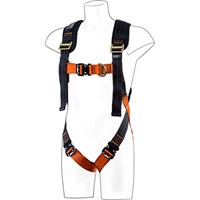
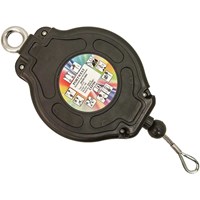
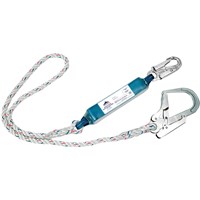
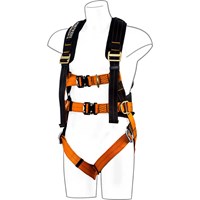
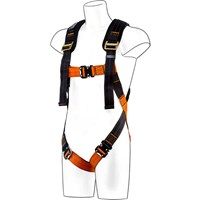
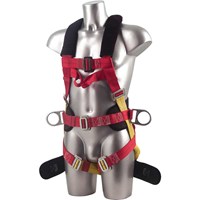
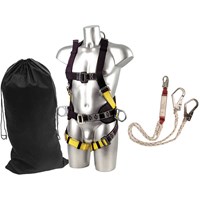
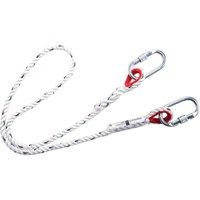
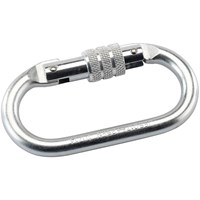
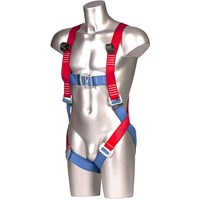
Safety harnesses and fall arrest equipment are essential personal protective devices designed to prevent serious injury or death when working at height. MyToolShed.co.uk stocks a comprehensive range of fall protection solutions including full-body harnesses, lanyards, rope grabs, anchorage slings, and karabiners from trusted brands like Portwest, Draper, and Scan. These products are engineered to meet rigorous UK and European safety standards, providing reliable protection for professionals working on roofs, scaffolding, towers, and other elevated locations.
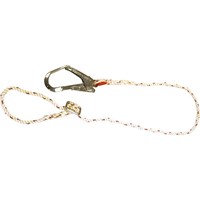
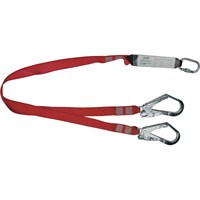
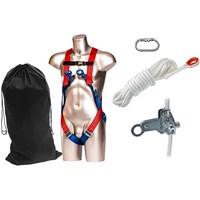
From simple 1-point harnesses for basic restraint applications to advanced 4-point comfort plus systems with shock-absorbing lanyards, the selection at MyToolShed caters to all levels of fall protection requirements. Complementary equipment such as rope restraint lanyards, cable anchorage slings, and ascending/descending kits ensure complete fall arrest systems can be assembled for any working at height scenario.
Applications
Safety harnesses and fall arrest equipment are essential for numerous trades and industries:
- Roofers - working on pitched and flat roofs, chimney repairs, and guttering
- Scaffolders - assembling and dismantling access structures
- Builders and construction workers - general building work at height
- Window fitters - installing and repairing windows on upper floors
- Electricians and telecommunications engineers - working on poles, towers, and elevated installations
- Facilities maintenance teams - servicing building exteriors, lighting, and roof-mounted equipment
- Warehouse operatives - accessing high-level storage and racking systems
- Tree surgeons - climbing and working from elevated positions
Choosing The Right Safety Harnesses & Fall Arrest
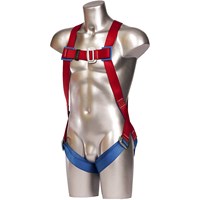
Selecting appropriate fall protection equipment requires careful consideration of several factors. First, identify the number of attachment points needed - 1-point harnesses suit basic restraint, whilst 2-point systems offer fall arrest capability, and 3-point or 4-point harnesses provide optimal comfort and weight distribution for extended wear.
Consider the working environment and height involved. Comfort Plus models feature additional padding and are ideal for prolonged use, whilst standard harnesses suit shorter duration tasks. Ensure all equipment meets current BS EN standards for fall protection and is compatible - harnesses, lanyards, and anchorage points must work together as a complete system.
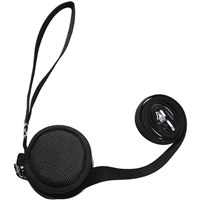
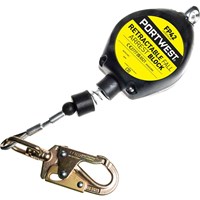
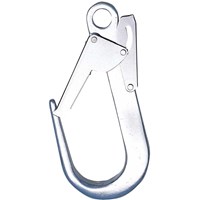
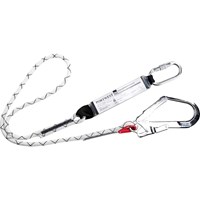
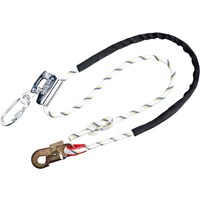
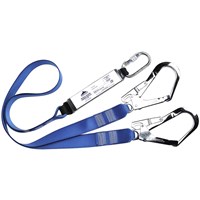
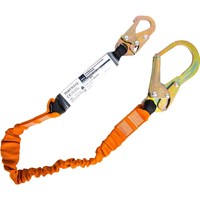
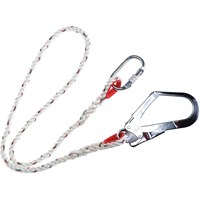
Assess the type of lanyard required: adjustable rope restraint lanyards prevent access to fall zones, whilst shock-absorbing lanyards reduce impact forces during arrest. Rope grabs enable safe movement along vertical lifelines, and karabiners must be rated for the intended load. Always verify that anchorage points can support the necessary forces, typically a minimum of 12kN per person.
Safety Information
Fall arrest equipment must be inspected before each use and undergo formal examination by a competent person at least every 12 months as required by the Work at Height Regulations 2005. Never use damaged, worn, or previously shock-loaded equipment. All users must receive proper training in harness fitting, adjustment, and fall arrest procedures. Equipment should only be used by one person at a time unless specifically rated for multiple users. Keep detailed inspection records and replace equipment according to manufacturer guidelines or after any fall event.
Frequently Asked Questions
What's the difference between fall restraint and fall arrest?
Fall restraint prevents the wearer from reaching a fall edge, using short lanyards that restrict movement. Fall arrest allows access to the edge but safely stops a fall if one occurs, using shock-absorbing lanyards and appropriate anchorage. Fall arrest systems require greater clearance below the working area to account for fall distance and lanyard deployment.
How should a safety harness fit?
A properly fitted harness should be snug but not restrictive, with chest straps sitting mid-chest and leg loops positioned around the upper thighs. Adjustable straps should be tightened so only one hand's width of webbing can be grasped, with no loose or twisted straps. The dorsal D-ring should sit between the shoulder blades for correct load distribution during a fall.
Can I use any lanyard with any harness?
No - lanyards and harnesses must be compatible and form part of a complete fall protection system. Check manufacturer specifications to ensure components are designed to work together and meet the required safety standards. Using incompatible equipment can compromise the entire system's effectiveness and put users at serious risk.