

Rubber Mallets
Pay in 3 interest-free payments on purchases from £30-2000 with  . Learn more.
 Loading...
End of content
Error - No more pages to load
About Rubber Mallets
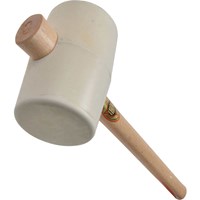
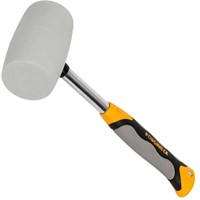
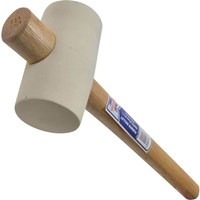
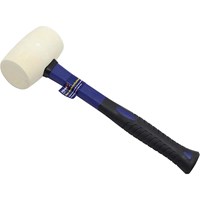
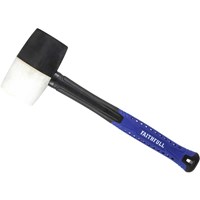
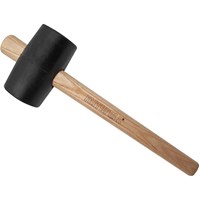
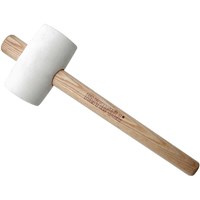
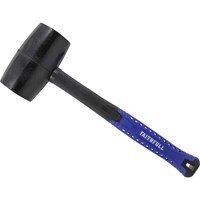
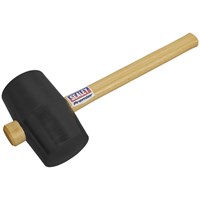
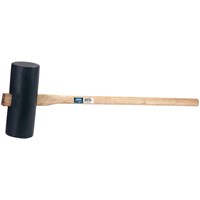
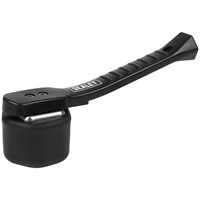
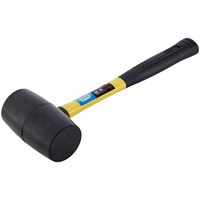
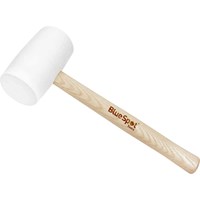
Rubber mallets are essential non-marring striking tools designed to deliver controlled force without damaging delicate surfaces or workpieces. Unlike traditional steel hammers, rubber mallets feature soft heads that absorb impact, making them ideal for assembly work, positioning materials, and driving components where surface protection is paramount. MyToolShed.co.uk stocks an extensive range of rubber mallets from trusted brands including Faithfull, Draper, Sealey, and Thor, with options featuring traditional wooden handles or modern fibreglass shafts for enhanced durability.
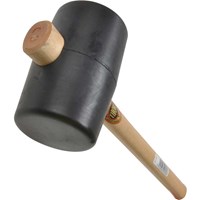
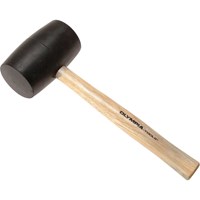
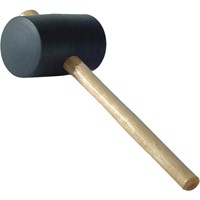
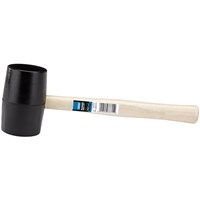
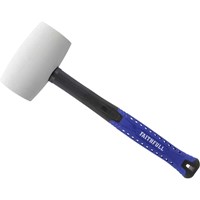
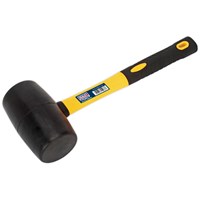
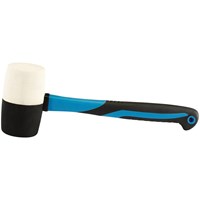
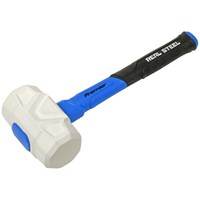
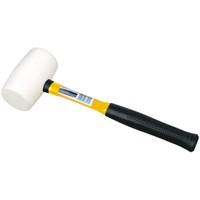
Available in both white and black rubber configurations, these mallets cater to different applications and material sensitivities. White rubber mallets are particularly valued for their non-marking properties on lighter surfaces, whilst black rubber variants offer excellent durability for heavier-duty tasks. Weight options typically range from lightweight models for precision work to heavier pavers' mallets designed for landscaping and construction projects.
Applications
Rubber mallets are indispensable tools across numerous trades and applications:
- Carpentry and Joinery: Assembling furniture, tapping wood joints together, and positioning timber without bruising
- Flooring Installation: Fitting laminate, engineered wood, and click-lock flooring systems
- Landscaping and Paving: Bedding paving slabs, positioning kerbs, and setting block paving
- Automotive and Bodywork: Panel alignment, wheel trim fitting, and bodywork adjustments
- Metalworking: Forming sheet metal and positioning components without marking surfaces
- Tile Fitting: Bedding tiles and positioning without cracking or chipping
- General DIY: Assembly tasks, craft projects, and delicate demolition work
Choosing The Right Rubber Mallets
Selecting the appropriate rubber mallet depends on several key factors:
Head Weight: Lighter mallets (200-300g) suit precision assembly work, whilst heavier options (up to 1kg or more) provide greater impact force for paving and heavy-duty applications. Consider the typical materials and tasks you'll undertake when selecting weight.
Handle Material: Traditional wooden handles offer comfort and shock absorption, whilst fibreglass shafts provide superior durability, weather resistance, and reduced vibration transmission. Fibreglass handles are particularly beneficial for frequent professional use.
Rubber Colour: White rubber mallets are non-marking and ideal for light-coloured materials, finished surfaces, and interior work. Black rubber variants generally offer greater durability and are suited to heavier construction tasks where marking is less critical.
Brand Quality: MyToolShed.co.uk stocks professional-grade mallets from manufacturers like Faithfull, Draper Expert, and Sealey, ensuring reliable performance and longevity. FSC-certified wooden handle options are available for environmentally conscious tradespeople.
Frequently Asked Questions
What's the difference between white and black rubber mallets?
White rubber mallets are specifically designed to be non-marking, making them ideal for work on light-coloured or finished surfaces where staining could be problematic. Black rubber mallets typically offer greater durability and resistance to wear, making them better suited for heavy-duty applications where leaving slight marks isn't a concern.
Can rubber mallets be used for automotive work?
Yes, rubber mallets are excellent for automotive applications including wheel trim fitting, panel alignment, and bodywork adjustments. Their non-marring properties protect painted surfaces and delicate components whilst still providing sufficient striking force for positioning and assembly tasks.
How do I maintain my rubber mallet?
Keep the rubber head clean by wiping away debris after use, and store in a dry environment to prevent degradation. Check fibreglass or wooden handles regularly for cracks or splintering. Replace mallets when the rubber head shows significant wear, splitting, or hardening, as this affects performance and may damage workpieces.