
Rotary Drills

Pay in 3 interest-free payments on purchases from £20-£3000 with  . Learn more.
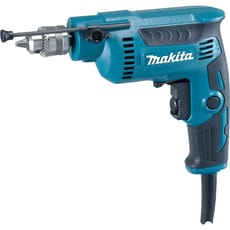
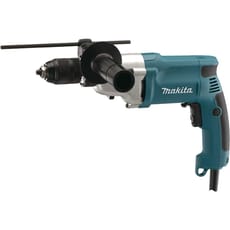
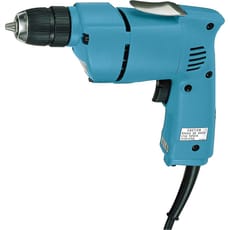
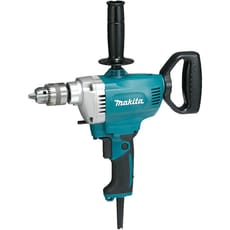
Loading...
End of content
Error - No more pages to load
About Rotary Drills
Rotary drills are specialist corded power tools designed exclusively for rotary drilling operations in wood, metal and plastic materials. Unlike hammer drills, these machines focus solely on rotation without any percussive action, making them unsuitable for masonry or concrete work but exceptionally precise for materials requiring clean, accurate drilling. MyToolShed.co.uk stocks professional-grade rotary drills from leading manufacturers including Makita and Bosch Professional, engineered to deliver consistent performance in demanding workshop and site environments.
These corded tools provide continuous, reliable 240v power without the limitations of battery life, making them perfectly suited for extended drilling sessions and high-volume production work. Many models are compact, high-speed machines optimised for use with smaller drill bits, ideal for precision work requiring finer control. Before purchasing, check the chuck capacity as some compact models are limited to accessories with shanks up to 6.5mm, whilst larger professional rotary drills accommodate standard 10mm and 13mm drill bits.
Applications
Rotary drills are essential tools for a wide range of trades and industries across the UK:
- Cabinet Makers and Joiners – precise drilling in timber, manufactured boards and furniture assembly
- Metal Fabricators and Sheet Metal Workers – accurate holes in steel, aluminium and other metals
- Electricians (Sparkies) – cable entry points in enclosures and fixing holes in non-masonry surfaces
- Shopfitters and Exhibition Builders – assembly work requiring clean, precise drilling without hammer action
- Production and Manufacturing Facilities – high-volume drilling operations where continuous corded power is essential
- Model Makers and Precision Engineers – detailed work requiring high-speed, accurate drilling with smaller bits
- Maintenance Engineers – general drilling tasks in industrial and commercial settings
- Serious DIY Enthusiasts – hobbyists undertaking woodworking, metalworking or model-making projects
Choosing The Right Rotary Drills
Selecting the appropriate rotary drill from the MyToolShed.co.uk range depends on several key factors:
Chuck Capacity: Determine the maximum bit size you'll need. Compact models with 6.5mm capacity suit precision work and smaller bits, whilst 10mm or 13mm chucks offer greater versatility for standard drilling applications. If you regularly use bits above 6mm diameter, avoid the smaller capacity models.
Power Rating: Consider the materials and drilling frequency. Light-duty workshop use may only require 450-600W, whilst professional tradespeople working with tougher materials or larger bits should opt for 700-850W models from Makita or Bosch Professional for sustained performance.
Speed Range: Variable speed control is essential for different materials – slower speeds for metals prevent overheating, whilst higher speeds suit timber and plastics. Look for electronic speed control via trigger sensitivity for optimal control.
Build Quality: Professional-grade tools feature robust metal gearboxes, quality bearings and ergonomic designs that reduce fatigue during extended use. Consider weight and balance if you'll be working overhead or in confined spaces.
Safety Information
Rotary drills are powerful tools that demand proper safety practices in line with HSE guidelines:
- Eye Protection: Always wear safety glasses meeting BS EN 166 standards. Metal swarf, wood chips and plastic fragments pose serious eye injury risks, particularly when drilling overhead or at high speeds.
- Workpiece Security: Never hold small workpieces by hand whilst drilling. Use clamps or vices to secure materials, preventing sudden rotation that can cause hand injuries.
- Electrical Safety: Inspect cables and plugs before each use. These tools operate on UK mains voltage (230V) and must be earthed correctly. Consider RCD protection on building sites.
- Loose Clothing and Jewellery: Remove watches, rings and jewellery, and secure loose clothing or long hair before operation to prevent entanglement in rotating components.
Frequently Asked Questions
What's the difference between a rotary drill and a hammer drill?
Rotary drills provide rotation only, making them suitable for wood, metal and plastic but not masonry or concrete. Hammer drills combine rotation with percussive hammering action for drilling brick and stone. If you only work with non-masonry materials, a rotary drill offers precision and often higher speeds at a lower cost.
Why are some rotary drills limited to 6.5mm chuck capacity?
Compact rotary drills are designed for high-speed precision work with smaller bits, commonly used in electronics, model making and fine metalwork. The smaller chuck capacity keeps the tool lightweight and allows higher RPM ratings. For general-purpose drilling with standard bits, choose a model with 10mm or 13mm capacity.
Do I need a corded drill if I already own cordless tools?
Corded rotary drills offer distinct advantages for certain applications: unlimited runtime for production work, consistent 240v power output regardless of battery charge, lower cost per unit, and often higher maximum speeds. Professional workshops and tradespeople undertaking high-volume drilling frequently prefer corded tools for these reasons.