
Rotary Cup Brushes
Pay in 3 interest-free payments on purchases from £30-2000 with  . Learn more.
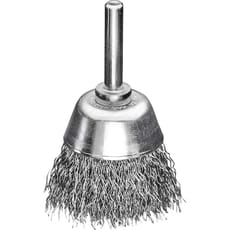
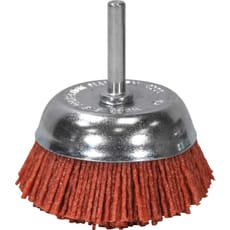
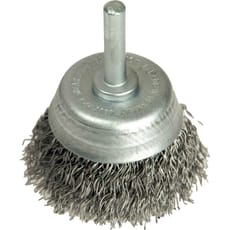
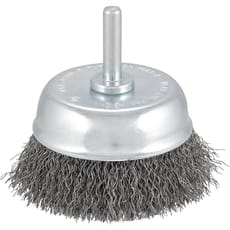
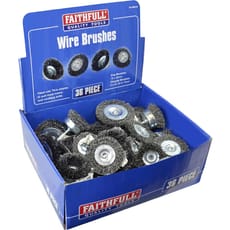
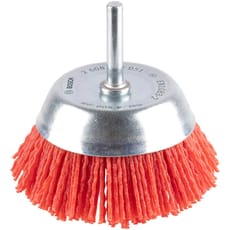
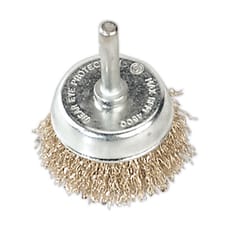
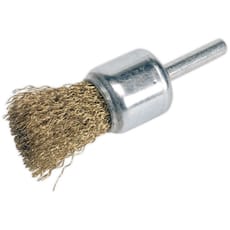
 Loading...
End of content
Error - No more pages to load
About Rotary Cup Brushes
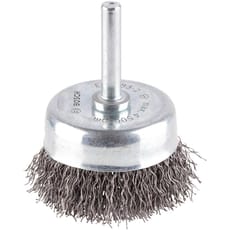
Rotary cup brushes are essential power tool accessories designed for aggressive surface preparation, cleaning, and finishing work. Mounted on angle grinders, bench grinders, or drills, these cylindrical brushes feature bristles arranged around a cup-shaped profile, making them ideal for tackling large flat surfaces and edges. MyToolShed.co.uk stocks a comprehensive range of rotary cup brushes to suit every application, from light-duty cleaning to heavy-duty industrial surface preparation.
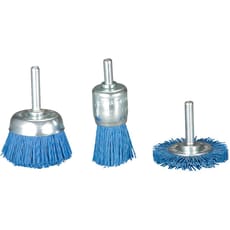
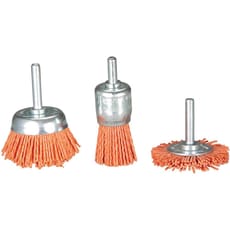
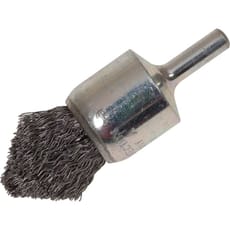
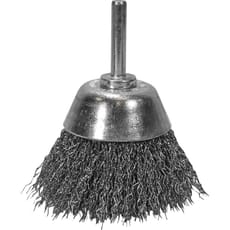
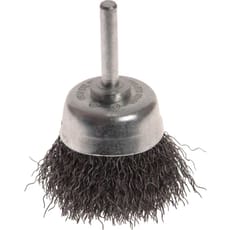
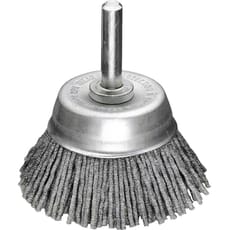
Available in two main varieties—wire cup brushes for metal work and nylon cup brushes for gentler applications—these versatile accessories help tradespeople achieve professional results across numerous tasks. Wire versions typically feature steel, stainless steel, or brass bristles for removing rust, paint, and weld scale, whilst nylon variants offer non-aggressive cleaning and deburring without damaging base materials. MyToolShed offers both types with various arbor sizes to fit standard power tools.
Applications
Rotary cup brushes are invaluable across multiple trades and industries:
- Welders and Fabricators: Cleaning weld seams, removing spatter, and preparing metal surfaces for welding
- Metalworkers: Deburring, rust removal, and surface finishing on steel, aluminium, and other metals
- Bodywork Specialists: Paint stripping, rust removal, and surface preparation on vehicle panels
- General Construction: Cleaning concrete, removing mortar residue, and preparing surfaces for coatings
- Maintenance Engineers: Equipment cleaning, corrosion removal, and general surface restoration
- DIY Enthusiasts: Furniture restoration, garden tool maintenance, and general cleaning projects
Choosing The Right Rotary Cup Brushes
Consider these key factors when selecting rotary cup brushes from MyToolShed.co.uk:
- Bristle Material: Choose wire brushes (steel, stainless steel, or brass) for aggressive metal cleaning, or nylon brushes for softer materials and non-scratching applications
- Cup Diameter: Common sizes range from 50mm to 100mm; larger diameters cover more area but require more powerful tools
- Arbor Size: Ensure compatibility with your power tool—typically M14 for angle grinders or 6mm shafts for drills
- Wire Thickness and Density: Thicker, denser bristles provide more aggressive action; finer bristles suit delicate work
- Maximum RPM Rating: Always match or exceed your tool's operating speed to prevent brush failure
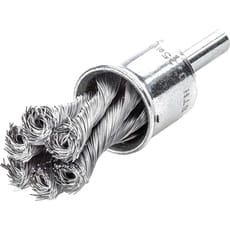
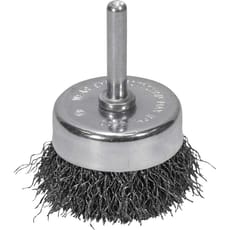
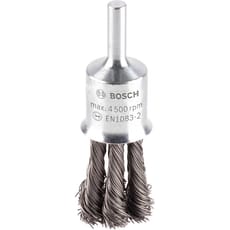
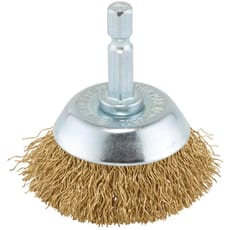
- Knotted vs Crimped: Knotted wire brushes offer aggressive cutting action, whilst crimped versions provide lighter, more flexible cleaning
Safety Information
Always wear appropriate PPE including safety goggles, gloves, and dust masks when using rotary cup brushes. Wire fragments and debris can become airborne at high speeds. Never exceed the maximum RPM rating stated on the brush. Ensure the workpiece is securely clamped and maintain a firm grip on your power tool. Inspect brushes before use for damage or wear, and replace if bristles are excessively worn or the arbor is damaged.
Frequently Asked Questions
What's the difference between wire and nylon cup brushes?
Wire cup brushes feature metal bristles (steel, stainless steel, or brass) for aggressive cleaning, rust removal, and surface preparation on metals. Nylon cup brushes have softer synthetic bristles ideal for cleaning softer materials, deburring, and applications where you want to avoid scratching or damaging the base surface.
Can I use a cup brush on an angle grinder?
Yes, most rotary cup brushes are designed for use with angle grinders, typically featuring an M14 threaded arbor. Always verify the arbor size matches your grinder and never exceed the tool's maximum RPM rating to ensure safe operation.
How long do rotary cup brushes last?
Lifespan depends on application intensity and material being worked. Wire brushes typically last longer on softer materials but wear faster on hardened steel. Regular inspection is essential—replace brushes when bristles become significantly shorter or if the cup becomes misshapen from use.