
Rotary Burrs & Grinding

Pay in 3 interest-free payments on purchases from £20-£3000 with  . Learn more.
Loading...
End of content
Error - No more pages to load
About Rotary Burrs & Grinding
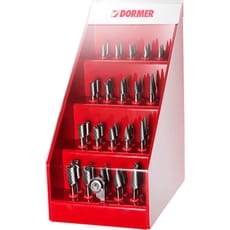
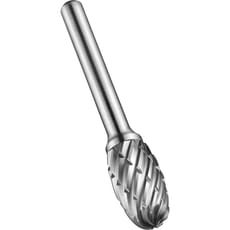
Rotary burrs are essential precision cutting and shaping tools used with die grinders, rotary tools, and flexible shaft machines. MyToolShed.co.uk stocks a professional range of carbide burrs from Dormer, designed for metalworking, engineering, and fabrication applications. These hardened cutting tools feature multiple cutting edges arranged around a cylindrical or shaped head, allowing for aggressive material removal, deburring, and surface finishing on ferrous and non-ferrous metals.
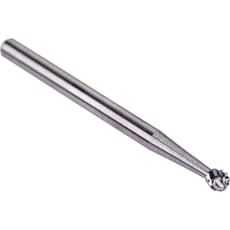
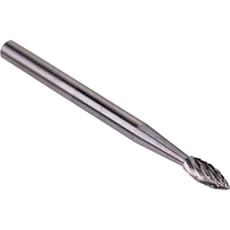
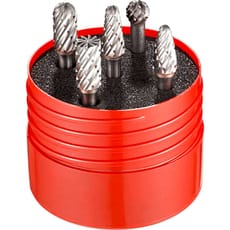
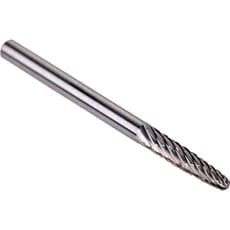
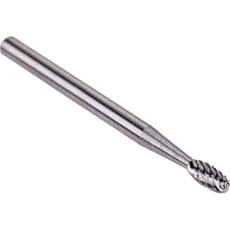
Available in a variety of profiles including cylinder, ball, cone, flame, oval, and tree shapes, rotary burrs offer versatility for detailed grinding, contouring, and porting work. Carbide burrs maintain their cutting edge longer than high-speed steel alternatives, providing superior performance when working with hardened materials, stainless steel, cast iron, and aluminium alloys.
Applications
- Engineering and fabrication: Deburring welds, chamfering edges, and preparing surfaces for further finishing
- Automotive trades: Porting cylinder heads, grinding valve seats, and removing rust or paint from metal components
- General metalworking: Shaping, contouring, and smoothing metal parts with precision
- Die and mould making: Fine detail work, engraving, and surface preparation in toolmaking
- Maintenance engineers: Removing damaged threads, broken bolts, and repairing worn components
- Stone and wood carving: Detailed shaping work on harder materials requiring carbide cutting edges
Choosing The Right Rotary Burrs & Grinding
Selecting the appropriate rotary burr depends on your specific application and material. Burr profile determines the shape you'll achieve: cylindrical burrs suit flat surfaces and internal corners, ball burrs create concave profiles, whilst flame and tree shapes excel at detail work in tight spaces. Consider the shank diameter to ensure compatibility with your die grinder or rotary tool—common sizes include 3mm and 6mm shanks.
Material compatibility is crucial for performance and longevity. The Dormer carbide burrs available at MyToolShed.co.uk are designed for ferrous metals, stainless steel, and cast iron. Cut type also matters: burrs without end cut are ideal for side grinding operations, whilst those with end cut allow plunge cutting. For optimal results, operate rotary burrs at the manufacturer's recommended RPM—typically between 15,000 and 30,000 RPM depending on burr size and material being worked. Always use appropriate 240v power tools rated for continuous professional use.
Safety Information
Always wear appropriate PPE including safety glasses or a face shield, as rotary burrs generate fine metal particles and sparks. Ensure workpieces are securely clamped before grinding. Use extraction or work in well-ventilated areas to avoid inhaling metal dust. Never exceed the maximum recommended RPM marked on the burr or tool packaging. Inspect burrs before use for damage or excessive wear, and replace when cutting performance diminishes. When using 240v power tools, ensure they're PAT tested and in good working condition.
Frequently Asked Questions
What's the difference between carbide and HSS rotary burrs?
Carbide burrs are significantly harder and more heat-resistant than high-speed steel (HSS) alternatives, maintaining their cutting edge up to ten times longer when working with tough materials. Whilst initially more expensive, carbide burrs from MyToolShed.co.uk offer superior value for professional tradespeople working regularly with hardened steels and abrasive materials.
Can I use rotary burrs in a standard hand drill?
Rotary burrs require high-speed operation (typically 15,000-30,000 RPM) to cut effectively. Standard drills operate too slowly and lack the lateral rigidity needed for safe burr operation. Always use rotary burrs with dedicated die grinders, rotary tools, or flexible shaft machines designed for this purpose.
How do I know when to replace a carbide burr?
Replace carbide burrs when you notice reduced cutting efficiency, excessive vibration, or visible wear on the cutting edges. If you're applying more pressure to achieve results or the burr is producing heat rather than efficiently removing material, it's time for a replacement.