
Roller & Support Stands

Pay in 3 interest-free payments on purchases from £20-£3000 with  . Learn more.

 Loading...
End of content
Error - No more pages to load
About Roller & Support Stands
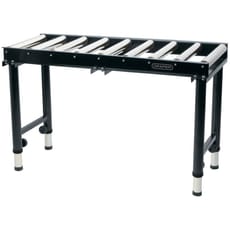
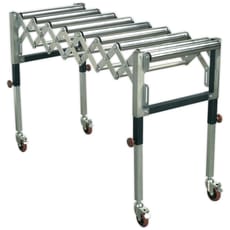
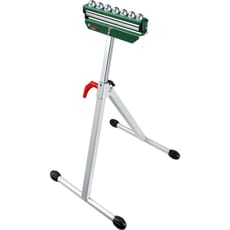
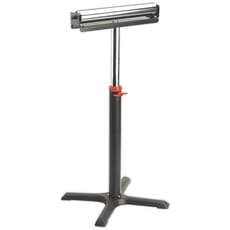
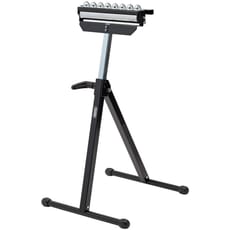
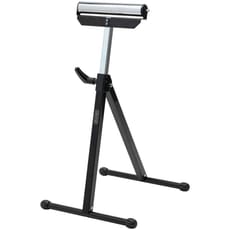
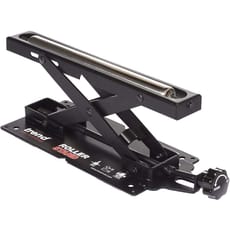
Roller and support stands are essential workshop accessories designed to provide stable, adjustable support for long workpieces during cutting, routing, planing and assembly operations. These versatile stands feature roller mechanisms or bearing systems that allow materials to move smoothly across the support surface, making it easier to handle lengthy timber, sheet materials, metal sections and pipework safely and accurately. MyToolShed.co.uk stocks a comprehensive range of roller and support stands from trusted brands including Draper, Sealey, Bosch, Festool and Trend.
Available in various configurations from lightweight benchtop models to heavy-duty industrial roller stands, these supports are height adjustable to match your work surface and can be positioned at either end of a saw, router table or workbench. Specialised options include dedicated mitre saw roller stands, conveyor-style multi-roller supports for extended lengths, and universal workshop rollers suitable for diverse applications across joinery, metalworking and general fabrication tasks.
Applications
Roller and support stands are widely used across multiple trades and applications:
- Carpentry and joinery: Supporting long timber boards during rip cuts and cross cuts on table saws and mitre saws
- Kitchen fitting and shopfitting: Handling worktops, large panels and sheet materials safely during cutting operations
- Window and door installation: Supporting lengthy sections during measurement, cutting and finishing
- Metal fabrication: Stabilising steel sections, aluminium extrusions and pipework during cutting and welding
- DIY enthusiasts: Home workshop projects requiring precision cuts on long or awkward materials
- Shopfitters and builders: On-site cutting and preparation of construction materials
Choosing The Right Roller & Support Stands
When selecting roller and support stands from MyToolShed.co.uk, consider these key factors:
- Weight capacity: Match the stand's load rating to your typical workpiece weights—light-duty stands suit occasional DIY use whilst heavy-duty industrial models handle demanding professional applications
- Height adjustment range: Ensure the stand adjusts to align precisely with your saw table, workbench or machine bed height
- Roller configuration: Single roller stands offer compact support, whilst multi-roller conveyor designs provide extended stability for very long materials
- Tool compatibility: Some stands are designed specifically for mitre saws or particular machine models—check compatibility if you need dedicated support
- Portability: Consider folding or collapsible designs if workshop space is limited or you need to transport stands between sites
- Build quality: Professional tradespeople should invest in robust steel construction with stable bases for daily workshop use
Frequently Asked Questions
What's the difference between a roller stand and a support stand?
Roller stands feature cylindrical rollers that allow workpieces to move smoothly across the support, ideal for feeding materials through saws or machines. Support stands may have fixed or adjustable supports without rollers, providing static support. Many modern stands combine both features with bearing-mounted rollers for versatility.
Can I use roller stands with any power tool?
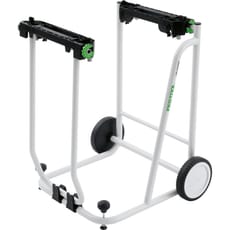
Most roller stands are universal and work with table saws, mitre saws, planers and router tables. However, some models like the Festool UG-KAPEX are designed for specific machines. Always check the height adjustment range matches your tool's working height for optimal support.
How many roller stands do I need for cutting long timber?
For most cutting operations, one stand positioned at the outfeed side of your saw provides adequate support. For materials exceeding 3-4 metres or very heavy sections, consider using two or more stands spaced along the workpiece length for maximum stability and safety.