
Rebater Bits

Pay in 3 interest-free payments on purchases from £20-£3000 with  . Learn more.
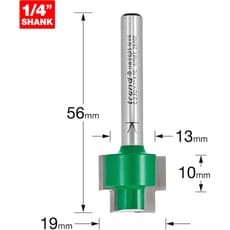
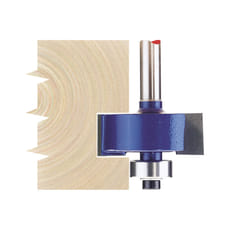
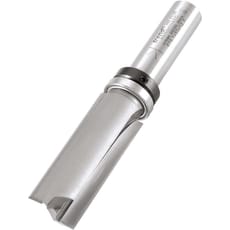
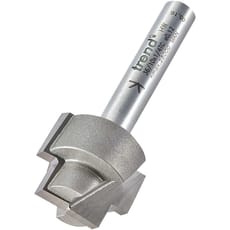
 Loading...
End of content
Error - No more pages to load
About Rebater Bits
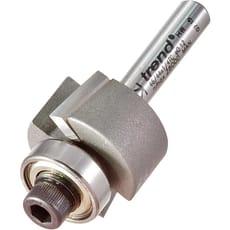
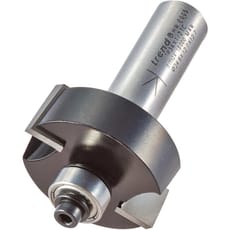
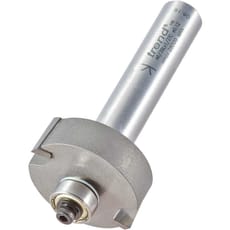
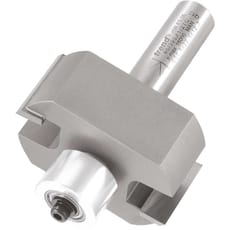
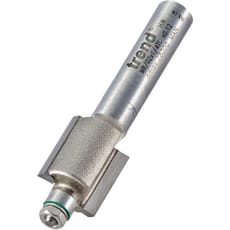
Rebater bits, also known as rebate cutters or rabbeting bits, are essential router accessories designed to cut precise grooves or steps along the edge of timber and board materials. MyToolShed.co.uk stocks a comprehensive range of rebater bits from leading manufacturers including Trend and Draper, suitable for both professional tradespeople and serious DIY enthusiasts. These bearing-guided cutters enable accurate, repeatable cuts for joinery work, cabinet making, and general carpentry applications.
Available in various configurations including self-guided, bearing-guided, and stepped designs, rebater bits at MyToolShed offer versatility for different depth requirements and material thicknesses. From mini guided rebate cutters for delicate work to large bearing-guided options for deeper cuts, the range covers all standard rebating needs. Specialist variants such as bookcase strip rebaters and template profilers provide solutions for specific woodworking challenges.
Applications
- Joiners and cabinet makers: Creating rebates for back panels, drawer bases, and glazed door frames
- Carpenters and chippies: Forming housing joints, stepped rebates, and edge profiling for skirting and architrave
- Shopfitters: Precise edge work for display cabinets, shelving units, and fitted furniture
- Kitchen fitters: Rebating worktops, creating recesses for sink installations, and joinery work
- Picture framers: Cutting rebates to accommodate glass, backing boards, and artwork
- DIY enthusiasts: Bookcase construction, custom shelving projects, and furniture restoration
Choosing The Right Rebater Bits
When selecting rebater bits from the MyToolShed.co.uk range, consider the cutting depth required for your project. Mini rebate cutters suit shallow grooves up to 6mm, whilst large bearing-guided options accommodate depths of 20mm or more. Stepped rebate cutters offer multiple cutting depths in a single tool, providing excellent value for varied applications.
Bearing configuration significantly affects cutting control and versatility. Self-guided bearings limit the rebate depth based on the bearing diameter, whilst interchangeable bearing sets allow adjustment of the cutting width without changing the bit. Template profilers with top bearings enable pattern following for complex shapes.
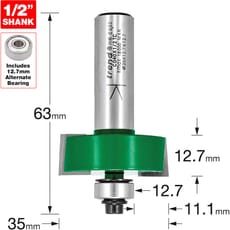
Consider the shank diameter compatible with your router – most bits feature either 1/4" or 1/2" shanks. Professional users typically prefer 1/2" shanks for improved stability and reduced vibration. Brand choice matters too; Trend CRAFTPRO and TRADE RANGE bits offer enhanced durability for commercial workshops, whilst standard options suit occasional use.
Safety Information
Always ensure your router is fully disconnected from the 240v mains supply before changing or adjusting rebater bits. Wear appropriate eye protection and dust masks when routing, as rebating generates considerable wood particles. Check that bits are securely tightened in the collet and inspect cutting edges for damage before each use. Never exceed the manufacturer's recommended maximum RPM for the bit diameter, and always feed workpieces against the direction of cutter rotation to maintain control.
Frequently Asked Questions
What's the difference between bearing-guided and self-guided rebater bits?
Bearing-guided rebater bits feature a bearing mounted below the cutter that runs along the workpiece edge, determining the rebate width. Self-guided versions have the bearing integrated at the cutter's base diameter, providing a fixed rebate width. Bearing-guided options offer more flexibility, especially with interchangeable bearing sets.
Can rebater bits be used in both plunge and fixed-base routers?
Yes, rebater bits work with both router types, though fixed-base or trim routers often provide better control for edge work. Ensure your router has sufficient power (typically 1000W minimum) for larger diameter rebate cutters to prevent motor strain and achieve clean cuts.
How do I achieve consistent rebate depth across multiple pieces?
Use the router's depth adjustment to set the cutting height, and make test cuts on scrap material first. For bearing-guided bits, the bearing controls width automatically, ensuring consistency. Maintain steady feed pressure against the bearing throughout each pass for uniform results.