

Ratchets
Pay in 3 interest-free payments on purchases from £30-2000 with  . Learn more.
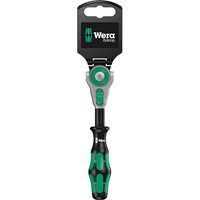
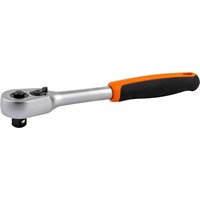
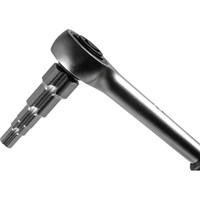
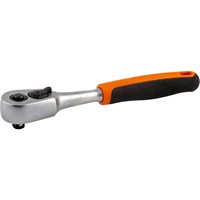
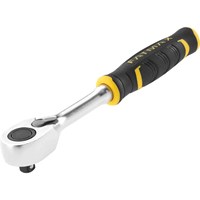
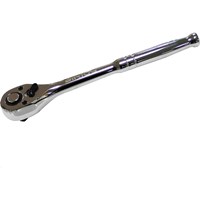
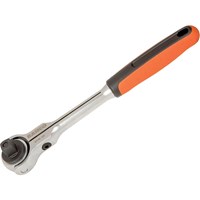
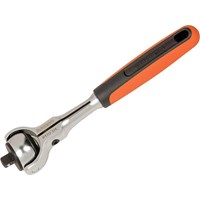
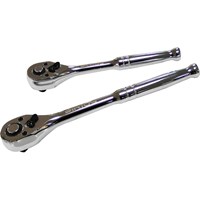
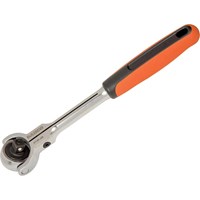
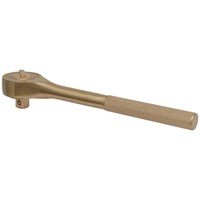
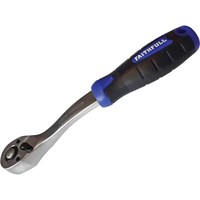
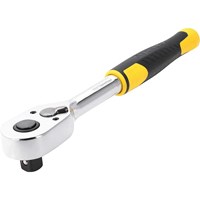
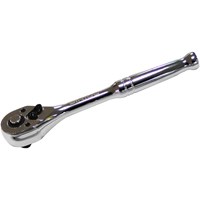

 Loading...
End of content
Error - No more pages to load
About Ratchets
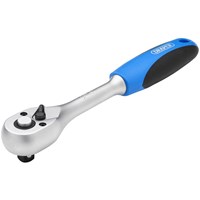
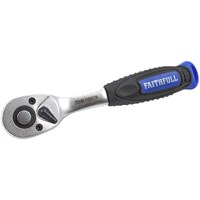
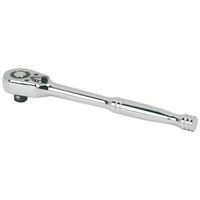
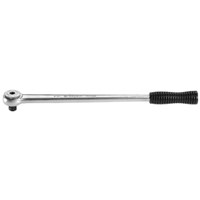
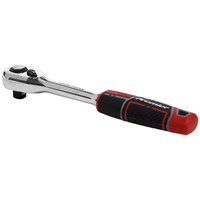
A ratchet, also known as a socket wrench, is an essential hand tool for tradespeople and DIY enthusiasts who need to tighten or loosen fasteners efficiently. Featuring a male square drive connector that accepts interchangeable sockets, ratchets incorporate a clever mechanism that allows continuous rotation in one direction whilst gripping in the other. This eliminates the need to repeatedly remove and reposition the tool like a traditional spanner, dramatically speeding up work on nuts and bolts. A reversible switch on the ratchet head enables quick changes between tightening and loosening operations.
MyToolShed.co.uk stocks an extensive selection of ratchets in the most common drive sizes: 1/4" drive for compact, light-duty applications; 3/8" drive for medium tasks; and 1/2" drive for general-purpose and heavy-duty work. Our range includes quick-release ratchets, swivel head designs, extending models, and high tooth-count options from trusted brands including Draper, Bahco, Elora, and Blue Spot, ensuring professionals and enthusiasts alike can find the perfect tool for their requirements.
Applications
Ratchets are indispensable across numerous trades and applications:
- Automotive mechanics – engine work, brake repairs, suspension maintenance, and general vehicle servicing
- Plumbers and heating engineers – radiator valves, pipe fittings, and boiler installations
- Electricians – securing junction boxes, cable glands, and electrical enclosures
- General construction – scaffolding assembly, steelwork, and structural installations
- Machine maintenance – equipment servicing, production line repairs, and industrial machinery
- Bicycle repairs – precise work on bike components with compact 1/4" drive ratchets
- DIY home maintenance – furniture assembly, appliance repairs, and general household tasks
Choosing The Right Ratchets
Selecting the appropriate ratchet depends on several key factors:
Drive size: Match the drive to your sockets and typical fastener sizes. 1/4" drive suits smaller bolts and confined spaces; 1/2" drive handles most general tasks; 3/8" drive offers a versatile middle ground.
Tooth count: Higher tooth counts (60-72 teeth) require less swing arc, making them ideal for restricted access areas. Standard tooth counts suit general applications where space isn't limited.
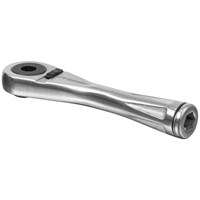
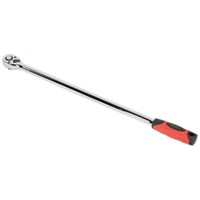
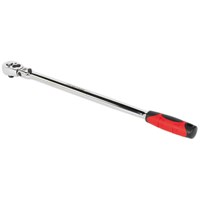
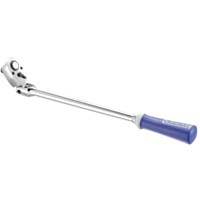
Head design: Standard fixed heads offer durability; swivel heads provide angular flexibility; micro heads access tighter spaces; extending ratchets add reach when needed.
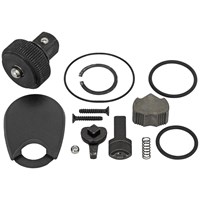
Quick-release mechanisms: Spring-loaded ball detents enable faster socket changes, improving productivity on jobs requiring multiple socket sizes.
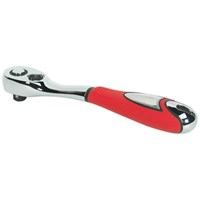
Handle style: Soft-grip handles reduce hand fatigue during prolonged use; standard chrome finishes offer excellent durability and easy cleaning.
MyToolShed.co.uk offers ratchets suitable for both occasional DIY use and demanding professional environments, with options to suit every budget and application.
Safety Information
Always select a ratchet with adequate drive size and length for the torque required – never use extensions or "cheater bars" to increase leverage beyond the tool's design limits. Inspect ratchets regularly for worn teeth, damaged drives, or loose components. Ensure sockets are fully seated on the drive before applying force, and always pull rather than push the handle where possible to maintain better control and reduce injury risk if the fastener suddenly releases.
Frequently Asked Questions
What's the difference between a ratchet and a spanner?
A ratchet features a mechanism that allows continuous rotation in one direction without removing the tool from the fastener, whilst a spanner requires repositioning after each turn. Ratchets also accept interchangeable sockets, making them more versatile than fixed-size spanners.
Can I use a 1/2" drive socket on a 3/8" drive ratchet?
Yes, but only with the appropriate drive adaptor. However, ensure the torque requirements don't exceed the smaller ratchet's capacity. It's generally better to match socket and ratchet drive sizes for optimal performance and safety.
What does the tooth count on a ratchet mean?
The tooth count refers to the number of teeth inside the ratchet mechanism. Higher tooth counts (60-72 teeth) require smaller swing arcs to engage, making them ideal for confined spaces where you have limited room to move the handle.