
Radius, Cove & Cavetto Bits

Pay in 3 interest-free payments on purchases from £20-£3000 with  . Learn more.
 Loading...
End of content
Error - No more pages to load
About Radius, Cove & Cavetto Bits
Radius, cove and cavetto router bits are essential profile cutters designed to create decorative edges and grooves in timber and wood-based materials. These specialised router bits produce smooth, rounded profiles that add both aesthetic appeal and functional edge treatment to woodworking projects. Radius bits create simple rounded edges, whilst cove bits form concave profiles and cavetto bits produce quarter-round concave cuts, each offering distinct decorative possibilities for furniture making, joinery and architectural millwork.
MyToolShed.co.uk stocks a comprehensive range of radius, cove and cavetto bits from trusted brands including Trend, Faithfull and Draper. Available in various sizes and shank diameters, these router cutters are suitable for both handheld and table-mounted routers, with bearing-guided options providing precise control for edge profiling work. Whether you're creating decorative mouldings, softening sharp edges or producing traditional joinery profiles, these professional-grade bits deliver clean, consistent results across hardwoods and softwoods alike.
Applications
Radius, cove and cavetto bits are widely used across multiple trades and applications, including:
- Joiners and cabinet makers creating decorative edge profiles on furniture, doors and cabinetry
- Architectural woodworkers producing period mouldings and skirting board profiles
- Shopfitters finishing display units and retail joinery with professional edge treatments
- Kitchen fitters softening worktop edges and creating decorative panel details
- DIY enthusiasts adding professional finishing touches to home renovation projects
- Furniture restoration specialists matching historical profiles and replacing damaged mouldings
- Staircase manufacturers creating handrail profiles and decorative newel details
Choosing The Right Radius, Cove & Cavetto Bits
When selecting router bits from MyToolShed.co.uk, consider these key factors:
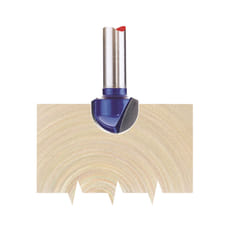
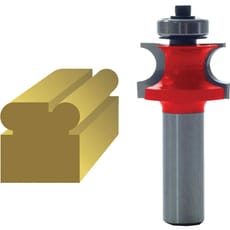
Profile type: Determine whether you need a radius (convex), cove (concave) or cavetto (quarter-round concave) profile based on your design requirements. Each creates distinctly different aesthetic effects.
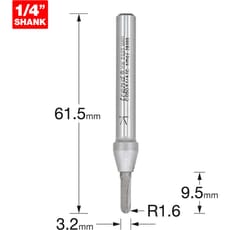
Radius size: Available in measurements from 3.2mm upwards, the radius dimension determines the depth and prominence of the profile. Larger radii suit substantial timber sections, whilst smaller sizes work well on thinner stock.
Bearing guidance: Bearing-guided bits follow templates or existing edges precisely, ideal for pattern work and consistent edge profiling. Non-bearing versions suit table-mounted operations with fences.
Shank diameter: Ensure compatibility with your router collet – common sizes include 6mm, 8mm and 1/4-inch. Quarter-inch shanks suit lighter-duty routers, whilst 8mm shanks offer improved rigidity for demanding applications.
Material quality: Tungsten carbide-tipped (TCT) bits provide excellent durability and edge retention, essential for professional tradespeople working with abrasive materials or requiring extended service life between sharpenings.
Frequently Asked Questions
What's the difference between cove and cavetto bits?
Both create concave profiles, but cavetto bits produce a quarter-circle (90-degree) profile, whilst cove bits typically create a deeper, more sweeping concave curve. Cavetto profiles are traditional in classical moulding work, whereas cove profiles suit contemporary furniture design.
Can I use these bits in a 240v handheld router?
Yes, radius, cove and cavetto bits work perfectly in standard 240v handheld routers and table-mounted setups. Always ensure your router has sufficient power for the bit diameter – larger profile cutters require more powerful motors for optimal performance.
How do I achieve smooth profiles without burn marks?
Use sharp bits, maintain consistent feed rates and avoid forcing the cut. Multiple shallow passes produce better results than single deep cuts, reducing heat buildup and ensuring clean profiles. Keep bits clean and properly maintained for best results.