
Putty & Glazing Compounds

Pay in 3 interest-free payments on purchases from £20-£3000 with  . Learn more.
 Loading...
End of content
Error - No more pages to load
About Putty & Glazing Compounds
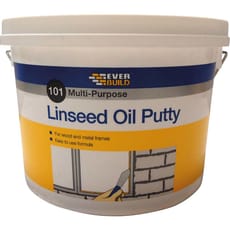
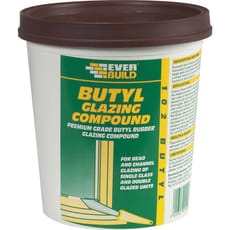
Putty and glazing compounds are specialist materials essential for creating weathertight seals between glass panes and window frames in both residential and commercial properties. MyToolShed.co.uk stocks professional-grade products from trusted manufacturer Everbuild, including traditional linseed oil putty for timber frames and modern butyl glazing compounds suitable for timber, steel, and aluminium installations. These materials prevent draughts, water ingress, and heat loss whilst ensuring durable, professional results that withstand Britain's unpredictable weather conditions.
Traditional linseed oil putty remains the material of choice for heritage restoration and timber window work, offering excellent adhesion and a paintable finish once cured. Modern butyl compounds provide enhanced flexibility and weather resistance, remaining pliable throughout their lifetime to accommodate natural building movement through seasonal temperature changes, making them ideal for demanding applications and metal-framed windows.
Applications
- Glaziers: Specialist window installation and repair in residential, commercial, and industrial properties
- Joiners and Carpenters: Traditional timber window manufacture, installation, and bespoke joinery work
- General Builders: Renovation projects, property repairs, and maintenance involving window restoration
- Heritage Restoration Specialists: Listed buildings and conservation projects requiring authentic traditional materials
- Decorators and Painters: Window repairs and re-puttying as part of external redecoration work
- Property Maintenance Contractors: Ongoing glazing upkeep for housing stock, rental properties, and commercial premises
- DIY Enthusiasts: Homeowners undertaking window restoration, particularly on period properties with timber sash or casement windows
Choosing The Right Putty & Glazing Compounds
Frame Material: Traditional linseed oil putty is specifically designed for timber frames, whilst butyl glazing compounds work effectively on timber, steel, and aluminium, offering greater versatility for modern installations.
Painting Requirements: Linseed oil putty forms a skin within 7-14 days that readily accepts primer and paint, making it ideal where painted finishes are required. Some butyl compounds remain unpainted, so select accordingly based on your finishing requirements.
Weather Resistance: Butyl compounds maintain consistent flexibility across all temperature ranges, making them excellent for exposed locations and coastal properties. Traditional linseed putty performs best in moderate conditions but may become brittle in severe cold.
Project Type: Multi-purpose linseed oil putty suits general glazing work and standard repairs, whilst specialist formulations may be required for heritage restoration where authenticity and conservation compliance are paramount. A standard 2kg tub typically glazes 3-4 average-sized windows.
Safety Information
Always read manufacturer safety data sheets before use. Traditional linseed oil putty requires careful disposal—contaminated rags can generate heat as the oil oxidises, potentially causing spontaneous combustion. Dispose of oily rags safely by soaking in water or storing in sealed metal containers away from combustible materials. Work in well-ventilated areas and wear appropriate PPE including work gloves and safety glasses, particularly when removing old putty or handling glass. When removing old putty from pre-1960s buildings, be aware it may contain lead compounds—take appropriate precautions including dust suppression measures and proper disposal in accordance with HSE guidelines.
Frequently Asked Questions
How long does linseed oil putty take to dry before painting?
Traditional linseed oil putty typically requires 7-14 days to form a skin before it can be primed and painted. This timeframe varies with weather conditions—warm, dry weather accelerates curing whilst cold, damp conditions slow the process. Never paint before a proper skin has formed, as this traps moisture and prevents proper curing.
Can I use the same putty for metal and wooden window frames?
Traditional linseed oil putty is specifically formulated for timber frames and shouldn't be used on metal. For steel and aluminium frames, always choose a butyl-based glazing compound. MyToolShed.co.uk stocks Everbuild Butyl Glazing Compound, which offers the versatility to work effectively on both timber and metal frames.
How do I remove old, hardened putty from window frames?
Old putty can be removed using a hacking knife or old wood chisel, working carefully to avoid frame or glass damage. A heat gun on low-to-medium setting softens stubborn putty significantly, but avoid excessive heat that might crack glass or scorch timber. Always wear safety glasses and work gloves, and assume pre-1960s putty may contain lead.