
Punches

Pay in 3 interest-free payments on purchases from £20-£3000 with  . Learn more.
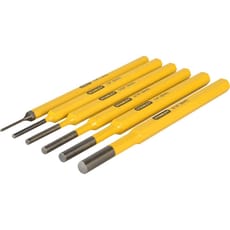
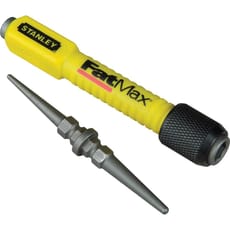
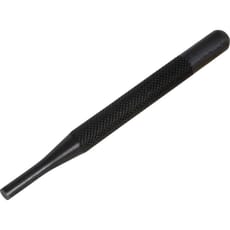
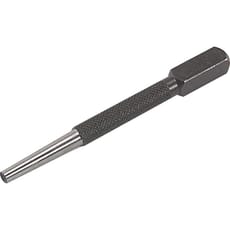
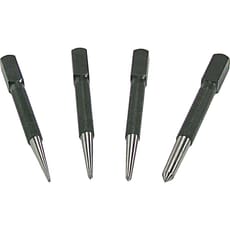
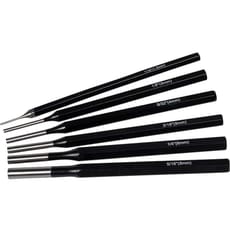
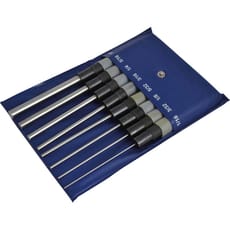
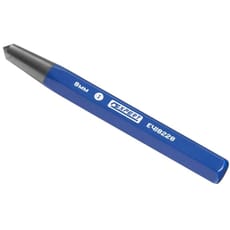
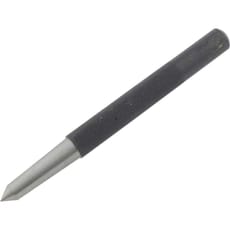
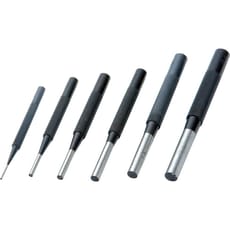
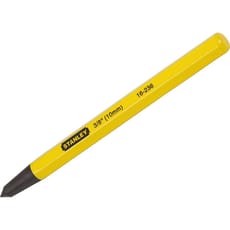
Loading...
End of content
Error - No more pages to load
About Punches
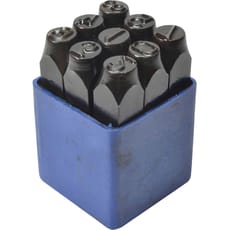
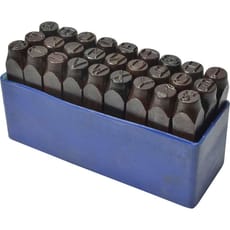
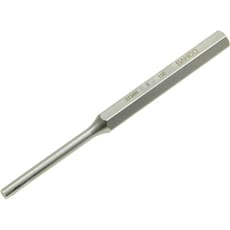
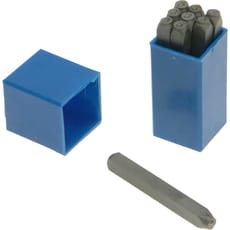
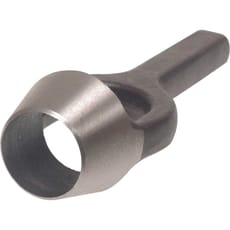
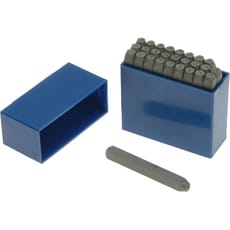
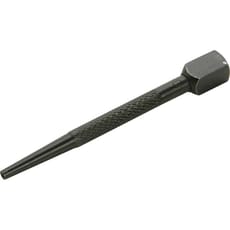
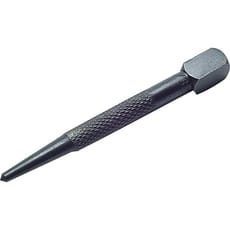
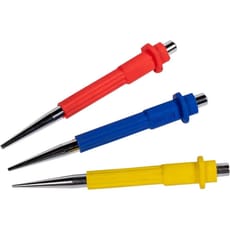
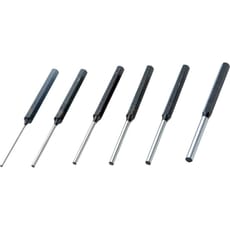
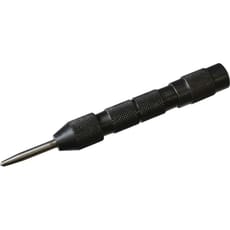
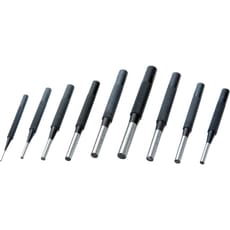
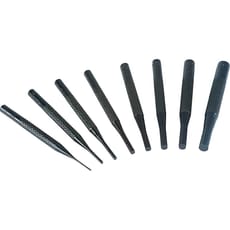
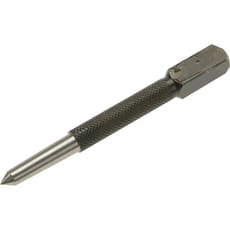
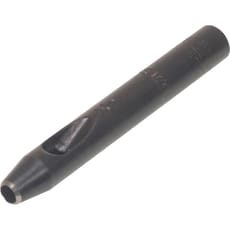
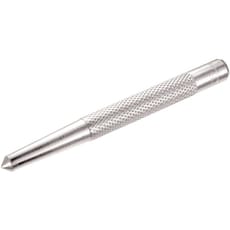
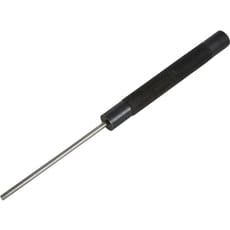
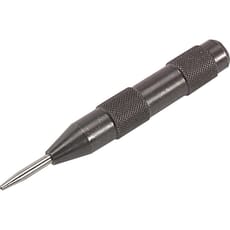
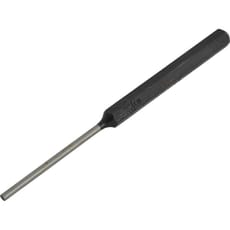
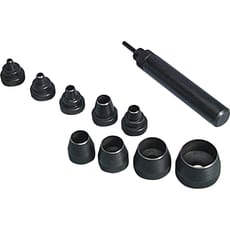
Punches are essential hand tools used across multiple trades for marking, aligning, and driving out pins, rivets, and fasteners. MyToolShed.co.uk stocks a comprehensive range of punches including centre punches, pin punches, taper punches, parallel punches, nail punches, and specialised options like letter and number punches for marking and identification work. These precision tools are fundamental to metalworking, engineering, automotive repair, and general fabrication tasks.
Quality punches are typically manufactured from hardened and tempered steel to withstand repeated striking without mushrooming or splitting. Different punch types serve specific purposes: centre punches create locating dimples for drilling, pin punches drive out pins and roll pins, taper punches start fastener removal, and nail punches countersink nails below surfaces. MyToolShed offers punches from trusted manufacturers, ensuring tradespeople and DIY enthusiasts have reliable tools for accurate, professional results.
Applications
Punches are used extensively across numerous trades and industries:
- Engineering and fabrication: Marking hole centres, aligning components, and removing pins during assembly and maintenance
- Automotive mechanics: Driving out seized pins, removing rivets, and marking metal components
- Carpentry and joinery: Setting nail heads below timber surfaces for filling and finishing
- Metalworking and blacksmithing: Creating identification marks using letter and number punches
- Aviation and marine engineering: Precision marking and fastener removal in maintenance operations
- Manufacturing and maintenance: General assembly, disassembly, and marking tasks across production environments
- DIY and home improvement: Installing hinges, removing damaged fasteners, and finish carpentry
Choosing The Right Punches
Selecting appropriate punches depends on your specific applications and trade requirements:
- Punch type: Centre punches for marking drill locations, pin punches for driving out pins, taper punches for starting removal work, parallel punches for through-holes, and nail punches for carpentry finishing
- Diameter and size: Match punch diameter to fastener or pin size; sets provide versatile sizing options from 1.5mm to 12mm or larger
- Material quality: Look for hardened carbon steel or chrome vanadium construction with proper heat treatment to prevent deformation
- Tip design: Sharp points for centre punches, flat ends for parallel punches, and tapered profiles for starting punches
- Handle finish: Knurled or textured grip surfaces improve control and prevent slipping during striking
- Set or individual: Punch sets from MyToolShed.co.uk offer better value and comprehensive size coverage for professional workshops
Safety Information
Always wear safety glasses when using punches to protect against flying metal fragments. Inspect punches regularly for mushroomed striking ends and grind smooth to prevent dangerous spalling. Use punches only with appropriate hammers or mallets, never with excessive force. Ensure workpieces are securely clamped or supported before striking. Replace damaged or worn punches immediately, and store tools properly to maintain sharp, accurate points.
Frequently Asked Questions
What's the difference between a pin punch and a parallel punch?
Pin punches have a slight taper from striking end to tip, useful for starting pin removal, whilst parallel punches maintain consistent diameter throughout and are designed for driving pins completely through holes without binding.
How do I prevent my punches from mushrooming?
Use appropriate striking force, regularly dress the striking end with a bench grinder to remove any mushrooming, and always strike squarely with a proper engineer's hammer. Quality hardened punches resist mushrooming better than cheaper alternatives.
Can I use the same punch for different materials?
Yes, quality steel punches work across various materials including steel, aluminium, brass, and timber. However, use appropriate force for softer materials and consider dedicated brass punches for precision work on finished surfaces to avoid marking.