
Pruning Saws

Pay in 3 interest-free payments on purchases from £20-£3000 with  . Learn more.

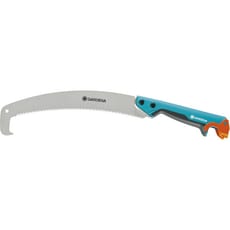
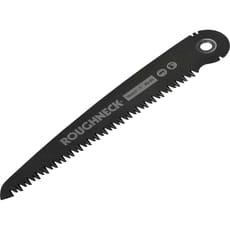


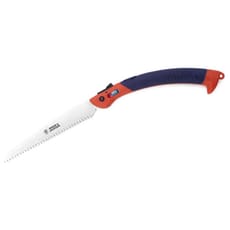
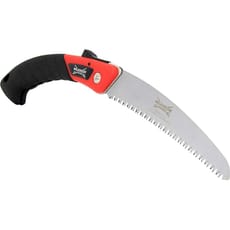
Loading...
End of content
Error - No more pages to load
About Pruning Saws
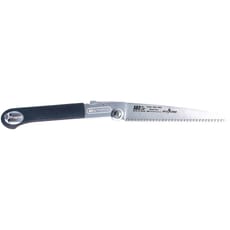
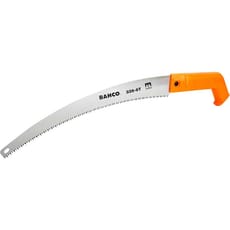
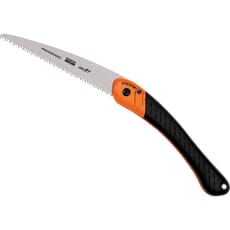
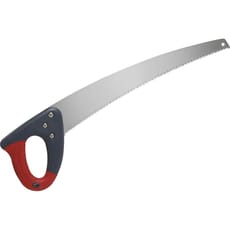
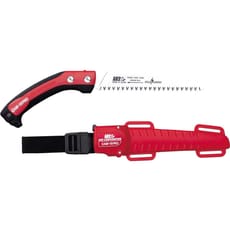
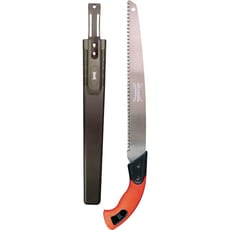
Pruning saws are essential cutting tools designed for removing dead, overgrown or diseased branches from trees, shrubs and large plants. Unlike standard saws, pruning saws feature specialised curved or straight blades with aggressive tooth patterns that cut efficiently through green wood and living branches. MyToolShed.co.uk stocks a comprehensive range of pruning saws from leading manufacturers including ARS, Bahco, Draper, Faithfull and Gardena, with options suitable for both professional arborists and keen gardeners.
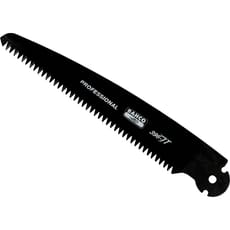
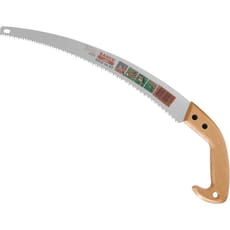
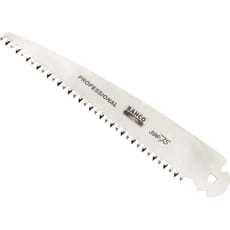
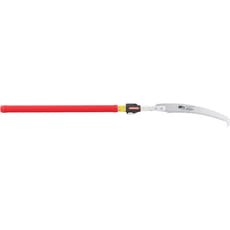
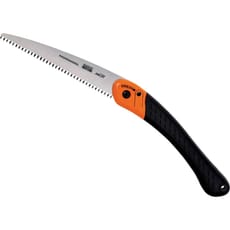
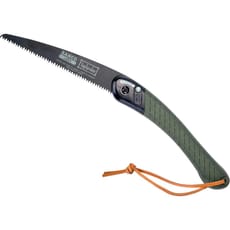
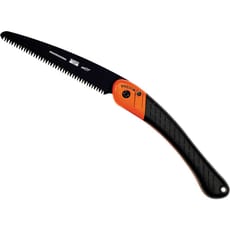
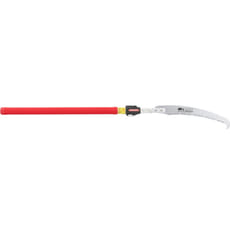
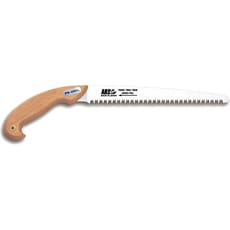
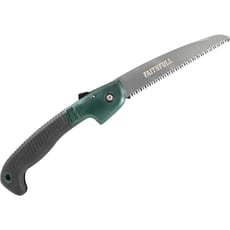
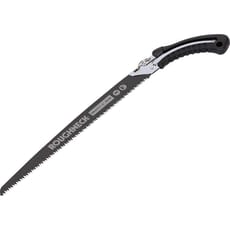
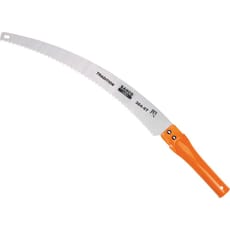
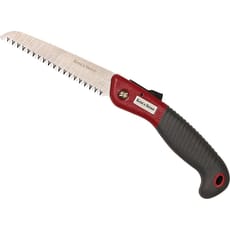
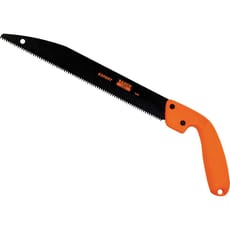
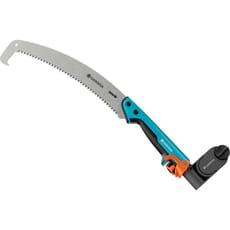
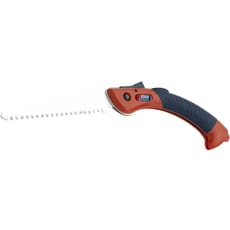
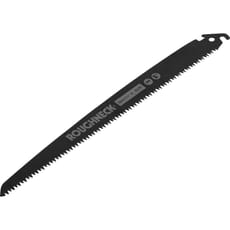
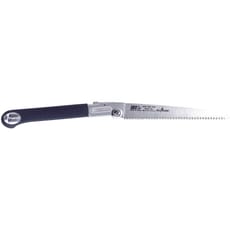
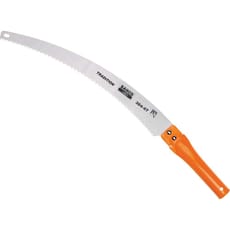
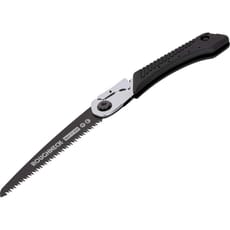
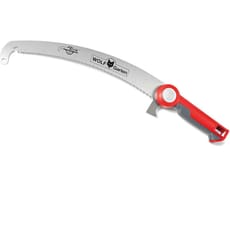
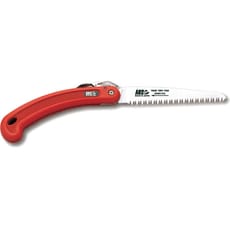
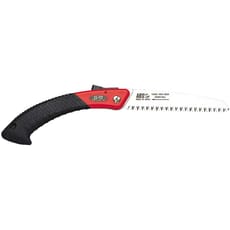
Available in various configurations, pruning saws include compact folding models for portability, fixed-blade handheld versions for heavy-duty work, telescopic pole saws for reaching high branches, and replaceable pruning saw blades for extended tool life. Whether maintaining garden trees, clearing overgrown hedgerows or undertaking professional tree surgery work, there's a pruning saw designed for the task.
Applications
- Professional Arborists: Tree surgery, crown thinning, branch removal and tree maintenance work
- Gardeners and Landscapers: Pruning ornamental trees, fruit tree maintenance, shaping hedges and general garden upkeep
- Groundskeepers: Park maintenance, estate management and woodland conservation
- Fruit Growers: Orchard maintenance, seasonal pruning and harvest preparation
- DIY Enthusiasts: Home garden maintenance, seasonal pruning and general tree care
- Forestry Workers: Woodland management, selective thinning and clearing work
- Outdoor Activity Providers: Campsite maintenance and pathway clearing
Choosing The Right Pruning Saws
Blade Length: Select blade length based on typical branch diameter—shorter blades (180-210mm) suit smaller branches up to 50mm, whilst longer blades (300-400mm) handle substantial limbs up to 150mm diameter.
Tooth Configuration: Coarse teeth (5-7 TPI) cut faster through green wood but leave rougher edges, whilst finer teeth (8-12 TPI) provide cleaner cuts ideal for precision pruning and ornamental work.
Handle Type: Folding pruning saws offer portability and safe storage, whilst fixed-blade models provide maximum rigidity for demanding professional use. Ergonomic handles with non-slip grips reduce fatigue during extended sessions.
Pole Saws: For branches above head height, consider telescopic pole saws which eliminate ladder work. MyToolShed.co.uk stocks various pole lengths, with some extending to several metres for professional tree work.
Blade Replacement: Check whether replacement blades are available—models from manufacturers like ARS and Bahco often feature replaceable blades, offering better long-term value for professional users.
Safety Information
Always wear protective gloves and safety glasses when using pruning saws. Inspect branches for tension before cutting to avoid spring-back injuries. When using pole saws, maintain awareness of overhead power lines and ensure stable footing. Keep blades sharp—blunt saws require excessive force and increase accident risk. For folding models, ensure the blade locks securely before use. When working at height, consider professional training in tree surgery techniques and never overreach whilst on ladders.
Frequently Asked Questions
What's the difference between a pruning saw and a standard wood saw?
Pruning saws feature specialised tooth patterns designed specifically for cutting living wood and green branches. The teeth are typically set wider and shaped to clear sap and wet sawdust efficiently, preventing binding. Standard wood saws are designed for seasoned timber and perform poorly on living branches.
Can pruning saw blades be sharpened?
Most modern pruning saws feature impulse-hardened teeth which cannot be effectively resharpened. However, quality blades from brands stocked at MyToolShed.co.uk remain sharp through extensive use. Replaceable blade systems offer the most economical solution for professional users requiring consistently sharp cutting performance.
What branch diameter can a typical pruning saw handle?
Most handheld pruning saws effectively cut branches between 25mm and 100mm diameter, depending on blade length. For larger limbs exceeding 100mm, consider using a bow saw or chainsaw. Compact folding models typically suit branches up to 50mm, whilst professional fixed-blade saws handle substantially thicker wood.