

Profiles
Pay in 3 interest-free payments on purchases from £30-2000 with  . Learn more.
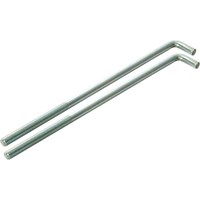

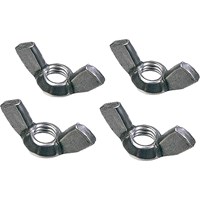
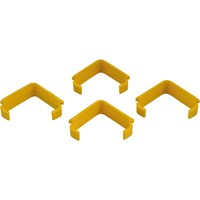
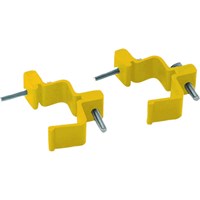
 Loading...
End of content
Error - No more pages to load
About Profiles
Building profiles are precision tools essential for professional bricklayers and builders who need to maintain perfectly straight, level courses when constructing masonry walls. Also known as external building profiles or corner profiles, these robust metal systems attach securely to wall corners and hold taut string lines that serve as accurate reference guides for each course of bricks or blocks. MyToolShed.co.uk supplies professional-grade profile systems from trusted manufacturers like Faithfull, designed to withstand demanding site conditions whilst delivering the accuracy that quality brickwork demands.
A complete profile system includes the main profile frames alongside essential components such as line holders, clamp brackets, wing nuts, bolts, stabilisers, and setting devices. These elements work together to create a reliable reference system that's far superior to traditional corner blocks and string, offering faster setup times, improved stability in windy conditions, and greater versatility across different wall thicknesses. Whether you're working on residential extensions, commercial developments, or garden walls, quality profiles from MyToolShed.co.uk help achieve professional-standard results with consistent accuracy.
Applications
Building profiles are invaluable tools for a wide range of construction professionals and applications:
- Bricklayers and Blocklayers: Daily use for maintaining accurate courses on all masonry projects, from single-storey extensions to multi-storey commercial buildings
- General Builders: Coordinating brickwork teams and ensuring quality standards across residential and commercial construction
- Groundworkers: Constructing retaining walls, boundary walls, and foundation walls requiring precision alignment
- Self-Builders and Property Developers: Managing construction projects where professional-standard accuracy is essential
- Stonemasons: Adapting profile systems for natural stone walling projects with consistent coursing requirements
- Training Centres: Teaching proper bricklaying techniques to apprentices learning the trade
- Serious DIY Enthusiasts: Tackling garden walls, garage construction, or home extensions where quality results demand proper equipment
Choosing The Right Profiles
Profile Length and Height: Two-metre profiles suit most residential work including single and two-storey buildings, whilst taller commercial projects may require extended systems. Consider the maximum wall heights you'll typically encounter on your projects.
Build Quality: Professional-grade profiles manufactured from hardened aluminium or steel-reinforced materials offer superior durability and maintain accuracy over thousands of uses. Look for corrosion-resistant finishes that withstand British weather conditions. MyToolShed stocks robust Faithfull systems built for demanding site environments.
Complete Systems vs Components: Starter kits provide all essential components in one package, ensuring compatibility and offering excellent value. Experienced tradespeople can also purchase individual accessories separately to replace worn components or customise their setup.
Clamping Mechanism: Quality clamp brackets should grip securely onto various wall thicknesses without damaging brickwork, whilst allowing quick repositioning between courses. Wing nut adjustments should operate smoothly even with wet hands or gloves.
Portability: Consider how profiles will be transported between sites and stored in your van. Compact designs with detachable components are easier to manage alongside other equipment.
Safety Information
Secure Installation: Always ensure profiles are firmly clamped and stabilised before tensioning lines. Inadequately secured profiles can detach suddenly, potentially causing injury. Check stability regularly, particularly on taller walls or in windy conditions.
Manual Handling: Handle two-metre aluminium profiles carefully to prevent muscle strain. Follow HSE manual handling guidelines when lifting and positioning equipment, especially when working at height or on uneven ground.
Working at Height: When setting up profiles on upper courses, use appropriate access equipment such as scaffolding rather than ladders. Ensure compliance with Work at Height Regulations 2005.
Trip Hazards: Taut lines between profiles can present trip hazards to other trades. Mark line positions clearly and communicate with site workers to prevent accidents.
Frequently Asked Questions
Can building profiles be used for blockwork as well as brickwork?
Yes, quality profile systems accommodate various wall thicknesses and work equally well with concrete blocks, lightweight blocks, and traditional bricks. The adjustable clamps grip different materials securely, making profiles versatile tools for all masonry construction types.
What's the advantage of profiles over traditional corner blocks and string?
Profiles offer significantly faster setup between courses—simply move the line holders rather than retying string at each level. They provide superior accuracy over longer distances, remain stable in windy conditions with proper stabilisation, and eliminate tangled or broken strings. For professional bricklayers, the time savings quickly justify the investment.
How do I maintain my building profiles to ensure longevity?
Clean profiles after each use to remove mortar splashes and debris, paying particular attention to moving parts like wing nuts and clamps. Store in a dry location to prevent corrosion, and periodically lubricate adjustment mechanisms with light oil. Check for bent or damaged sections before each project, as even minor deformation affects accuracy.