
Presses

Pay in 3 interest-free payments on purchases from £20-£3000 with  . Learn more.
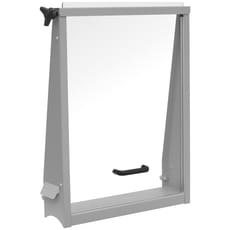
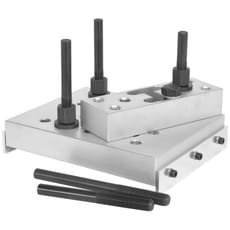
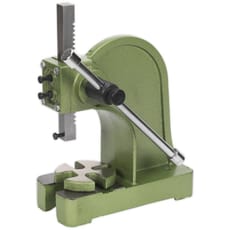
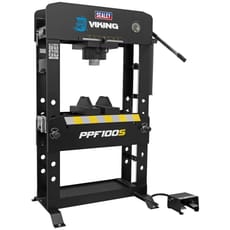
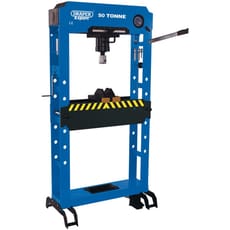
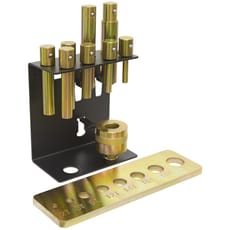
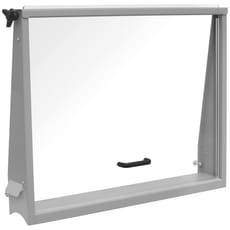
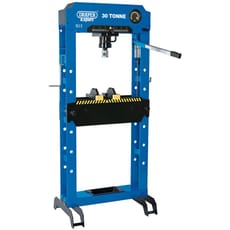
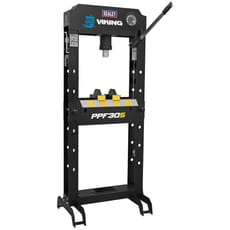
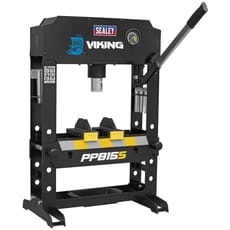
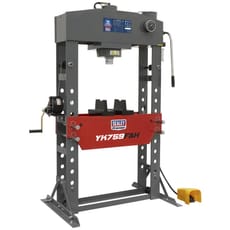
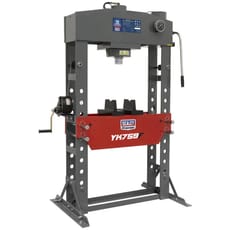
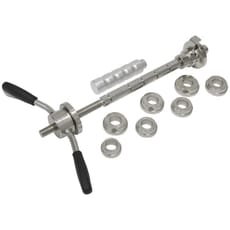
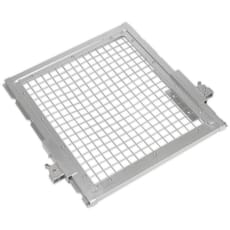
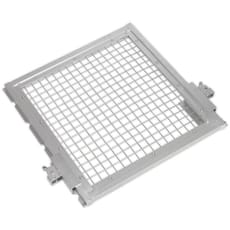
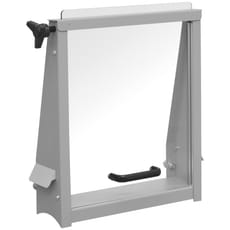
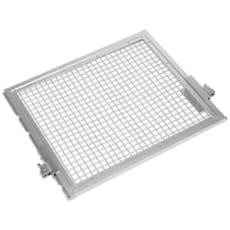
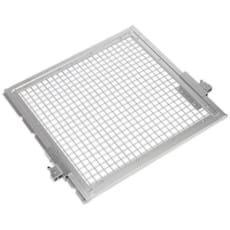
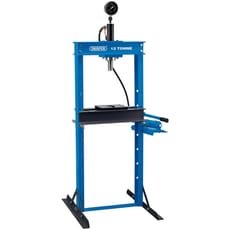
Sealey Viking Floor Air / Hydraulic Press with Sliding Ram and Foot Pedal
in stock
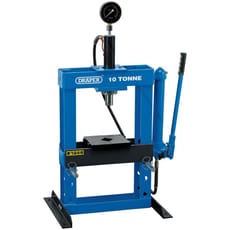
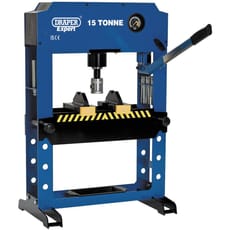
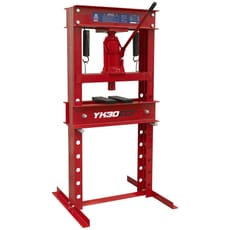
Loading...
End of content
Error - No more pages to load
About Presses
Workshop presses are essential heavy-duty tools designed to apply controlled force for manufacturing, maintenance, and repair tasks across professional workshops and garages. From pressing bearings onto shafts to straightening bent metal components and removing seized parts, a quality press delivers the power and precision needed for efficient, safe operation. MyToolShed.co.uk stocks a comprehensive range of hydraulic presses, bench presses, floor presses, and arbor presses from trusted brands including Sealey and Draper, serving tradespeople and industrial facilities throughout the UK.
The selection spans compact bench-mounted models ideal for smaller workshops through to heavy-duty floor-standing hydraulic presses capable of generating substantial tonnage for demanding applications. Hydraulic presses use fluid pressure for smooth, controlled operation, whilst air hydraulic presses combine pneumatic and hydraulic power for faster cycle times. Manual arbor presses provide precise control for lighter work, with each type suited to different workshop requirements and available space.
Applications
Workshop presses are indispensable across numerous trades and industries:
- Vehicle Mechanics and Garage Technicians: Removing and installing bearings, bushings, ball joints, and U-joints during automotive repairs
- Agricultural Engineers: Maintaining farm machinery, pressing bearings on PTO shafts, and repairing implement components
- Plant Maintenance Engineers: Installing bearings, gears, and pulleys on industrial machinery in manufacturing facilities
- HGV and Fleet Workshops: Heavy-duty pressing work on commercial vehicle components including wheel bearings and suspension parts
- Manufacturing and Fabrication Shops: Assembly work, straightening metal components, and forming operations
- Motorcycle Mechanics: Pressing wheel bearings, steering head bearings, and suspension bushings
- DIY Enthusiasts: Occasional pressing tasks for vehicle maintenance and general repair projects
Choosing The Right Presses
Tonnage Requirement: Match press capacity to your typical workload. A 10-12 tonne press suits most general garage work, whilst 20-30 tonne models handle heavier automotive and light industrial tasks. Specialist workshops may require 50 tonne capacity for heavy plant machinery components.
Floor or Bench Mounting: Floor-standing presses offer higher tonnage ratings and stability for heavy-duty work but require dedicated floor space. Bench presses are compact, ideal for limited space, and adequate for lighter pressing operations.
Power Source: Manual hydraulic presses are economical and reliable, requiring only hand-pumping. Air hydraulic models significantly speed up operation if you have compressed air supply (typically 6-8 CFM at 90-120 PSI), reducing operator fatigue during frequent pressing work.
Frame Dimensions: Check daylight opening, throat depth, and bed size to ensure the press accommodates your typical workpieces. Consider your most common components before purchasing to ensure adequate capacity.
Safety Features: MyToolShed.co.uk stocks presses with robust construction and options for adjustable safety guards, protecting operators from flying debris during pressing operations—essential for HSE compliance in professional workshops.
Safety Information
Workshop presses generate enormous force and require proper safety precautions. Always wear safety glasses or face shields and steel-toe-capped boots. Keep hands clear of the pressing area and never place body parts beneath the ram. Ensure workpieces are correctly positioned with appropriate pressing tools—never use makeshift items that could shatter under load. Install safety guards where available and maintain a stable stance to one side of the press. Regular maintenance is essential: inspect hydraulic seals, rams, and frames for damage before use. Never exceed rated tonnage, and take extra precautions with potentially brittle or corroded components that may fracture unpredictably.
Frequently Asked Questions
What tonnage press do I need for general automotive work?
For most garage and vehicle maintenance tasks, a 10-12 tonne press is adequate for pressing bearings, bushings, and ball joints on cars and light commercial vehicles. If you regularly work on larger vehicles or agricultural equipment, consider a 20-30 tonne model for additional capacity.
Do I need an air supply for a hydraulic press?
Standard hydraulic presses operate manually through hand-pumping without external power. Air hydraulic models require compressed air supply (typically 6-8 CFM at 90-120 PSI) but offer much faster operation. If you have a suitable workshop compressor and do frequent pressing work, air hydraulic operation significantly improves productivity.
What maintenance does a hydraulic press require?
Regularly check hydraulic fluid levels and top up with manufacturer's recommended fluid. Inspect seals and connections for leaks, examine the ram for damage or corrosion, and keep the press clean to prevent hydraulic system contamination. Lubricate moving parts according to guidelines and store in a dry environment to prevent rust.