
Precision Measuring

Pay in 3 interest-free payments on purchases from £20-£3000 with  . Learn more.
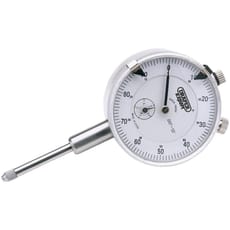
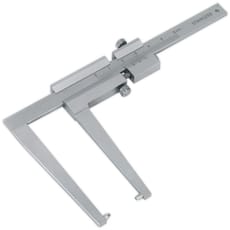
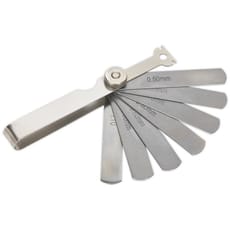
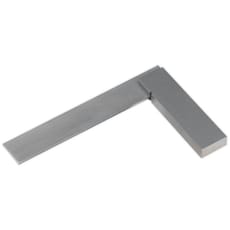
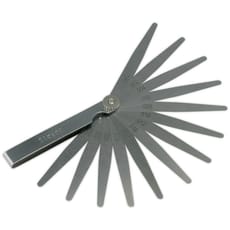
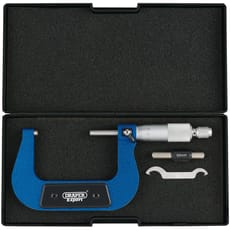
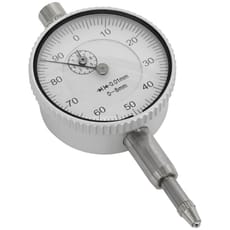
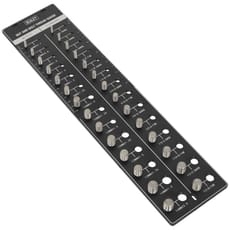
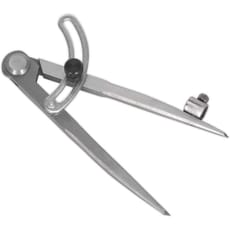
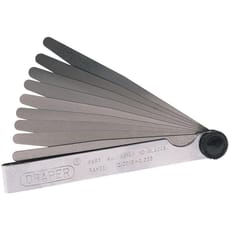
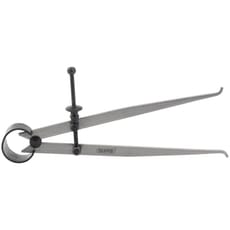
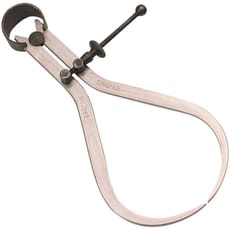
Loading...
End of content
Error - No more pages to load
About Precision Measuring
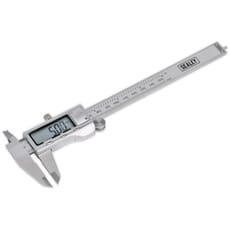
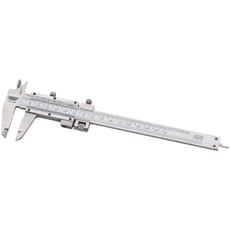
Precision measuring tools are essential instruments that enable engineers, machinists, and skilled tradespeople to achieve accuracy down to fractions of a millimetre. MyToolShed.co.uk supplies a comprehensive range of precision measuring equipment including vernier callipers, micrometers, dial indicators, engineer's squares, and combination sets. Whether you're inspecting manufactured components, setting up machine tools, or verifying critical dimensions in quality control, these specialised instruments provide the accuracy and repeatability that standard measuring tools simply cannot deliver.
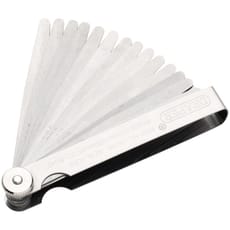
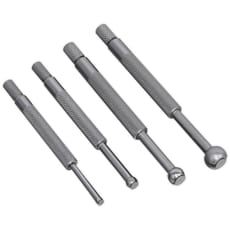
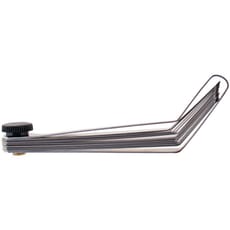
From fundamental tools like feeler gauges and dividers through to more advanced equipment such as height gauges, telescopic gauges, and screw pitch gauges, precision measuring instruments form the backbone of accurate metalworking, engineering, and quality assurance processes. These tools are manufactured to exacting standards, often calibrated to BS EN ISO specifications, ensuring measurements you can trust for critical applications across workshops, on-site installations, and quality control laboratories.
Applications
Precision measuring equipment serves a diverse range of skilled professionals and applications:
- Machinists and CNC Operators: Daily use for setting up machines and verifying machined dimensions to tight tolerances
- Tool and Die Makers: Creating and maintaining moulds, dies, jigs, and fixtures where accuracy is paramount
- Quality Control Inspectors: Ensuring components meet specifications and industry standards throughout manufacturing processes
- Automotive Engineers: Measuring engine components, verifying clearances, and checking tolerances during rebuilds
- Fabricators and Welders: Accurate marking out and verifying fabrication dimensions using engineer's squares and height gauges
- Maintenance Engineers: Assessing wear, checking bearing clearances, and verifying component dimensions during servicing
- Model Engineers and Hobbyists: Achieving the precision required for scale modelling and detailed hobby work
Choosing The Right Precision Measuring
Accuracy Requirements: Consider the tolerances you're working to. General engineering work to ±0.1mm suits standard vernier callipers, whilst precision toolmaking demanding ±0.01mm accuracy requires quality micrometers. Always choose tools with resolution finer than your required tolerance.
Measurement Range: Micrometers typically cover 25mm ranges, requiring multiple instruments for varied work. Vernier callipers offer greater versatility with single instruments measuring up to 300mm or more. Match your choice to typical workpiece sizes.
Digital vs Analogue: Digital instruments provide instant readings and data output capabilities, whilst traditional vernier and dial instruments never need batteries and prove more robust in harsh workshop conditions. MyToolShed.co.uk stocks both types to suit different working environments.
Build Quality: Professional-grade instruments manufactured from hardened steel with carbide measuring faces resist wear and maintain accuracy over years of use. Look for instruments supplied with calibration certificates traceable to national standards for quality-critical applications.
Frequently Asked Questions
What's the difference between accuracy and resolution in measuring instruments?
Resolution refers to the smallest increment an instrument can display (for example, 0.01mm on a digital calliper), whilst accuracy describes how close measurements are to the true value. An instrument might display to 0.01mm but only be accurate to ±0.03mm. Always check manufacturer specifications for both figures.
How often should precision measuring equipment be calibrated?
Calibration frequency depends on usage intensity and accuracy requirements. Quality-critical environments following ISO 9001 typically calibrate annually, whilst heavy daily use may warrant six-monthly checks. Instruments that have been dropped or show inconsistent readings require immediate recalibration.
Why do micrometers come in specific range increments?
Micrometers achieve superior accuracy through their fixed anvil design and fine-pitch screw threads. A 25mm range provides optimum balance between measuring capacity and mechanical precision. Longer ranges would require longer spindles prone to flexing, compromising accuracy. Vernier callipers offer greater range versatility where ultimate accuracy isn't critical.