
Portable Fuel Tanks

Pay in 3 interest-free payments on purchases from £20-£3000 with  . Learn more.
 Loading...
End of content
Error - No more pages to load
About Portable Fuel Tanks
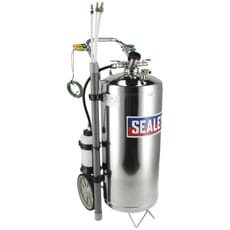
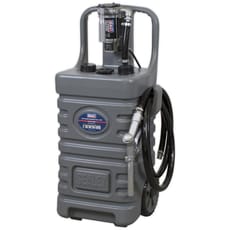
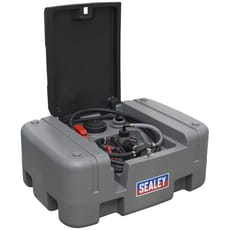
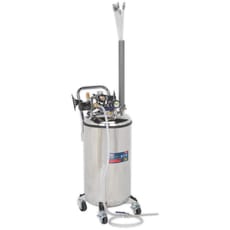
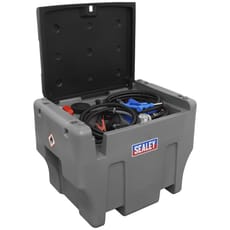
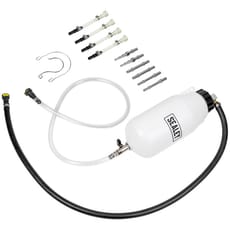
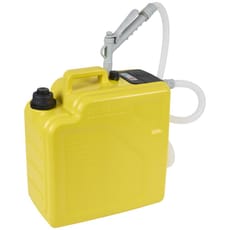
Portable fuel tanks provide safe, compliant storage and dispensing solutions for diesel, petrol, and other fuels in workshops, garages, and on-site environments. Essential for mechanics, agricultural workers, and construction professionals, these robust containers combine secure storage with practical dispensing systems, enabling efficient refuelling of vehicles, machinery, and equipment without permanent installations. MyToolShed.co.uk stocks a comprehensive range from Sealey, including fuel drainer tanks for garage work, mobile dispensing units with integrated pumps, and specialist combi tanks for multiple fuel types.
Engineered to meet strict UK safety regulations, modern portable fuel tanks feature durable construction in heavy-duty polyethylene or stainless steel, with spill-proof caps, integrated drip trays, and secure locking mechanisms. Many models include wheeled bases for improved manoeuvrability across workshop floors or construction sites, whilst pump-equipped variants—available in manual, electric, or air-operated configurations—enable controlled, measured dispensing that minimises spillage and waste.
Applications
- Vehicle Mechanics and Technicians – draining fuel tanks during repairs, servicing, or fuel pump replacement
- Mobile Mechanics – portable fuel management for on-site vehicle servicing
- Agricultural Contractors and Farmers – refuelling tractors, harvesters, and machinery across large sites
- Construction Site Managers – managing fuel for plant machinery, generators, and equipment in remote locations
- Landscaping Professionals – storing fuel for mowers, strimmers, and petrol-powered equipment
- Fleet Maintenance Workshops – bulk fuel storage and controlled dispensing for commercial vehicles
- MOT Testing Stations – draining contaminated fuel or removing fuel for emissions testing
- Plant Hire Companies – ensuring machinery is fuelled and maintained between rental periods
Choosing The Right Portable Fuel Tanks
Capacity Requirements: Smaller drainer tanks (30-80 litres) suit garage work and vehicle servicing, whilst larger mobile dispensing tanks (100-200 litres) better serve agricultural or construction applications with multiple daily refuelling operations.
Dispensing Method: Manual pumps offer simplicity for occasional use, electric pumps provide faster transfer for high-volume operations, and air-operated pumps eliminate spark risks in enclosed workshop environments with existing compressed air supplies.
Material Construction: Stainless steel tanks deliver superior durability and corrosion resistance, ideal for fuel drainer applications involving contaminated fluids. Heavy-duty polyethylene provides lighter, cost-effective solutions for clean fuel storage with excellent impact resistance.
Mobility and Safety: Look for robust wheels suitable for workshop floors or outdoor terrain, ergonomic handles, and compliance features including secure locking caps, integrated bunding, and appropriate hazard labelling to meet UK COSHH regulations.
Safety Information
Position portable fuel tanks in well-ventilated areas away from ignition sources, heat, and direct sunlight. Ensure Class B fire extinguishers are readily accessible near fuel storage areas. When transferring fuel, eliminate potential ignition sources and use only equipment rated for fuel handling, with proper earthing of metal containers to prevent static discharge. Always wear chemical-resistant gloves and eye protection during fuel handling operations.
Comply with HSE guidance by storing only minimum quantities needed for daily operations. Regularly inspect tanks for damage, leaks, or seal deterioration, and maintain spill response equipment nearby. Dispose of contaminated fuel through licensed waste carriers and maintain accurate records as required by environmental regulations.
Frequently Asked Questions
What capacity fuel tank do I need for workshop use?
For typical garage and mechanic work involving vehicle fuel draining, a 30-80 litre tank is usually sufficient. Fleet maintenance or machinery refuelling operations benefit from 100-200 litre mobile dispensing tanks. Always check HSE guidelines regarding flammable liquid storage quantities for your workplace.
Can I use air-operated pumps without compressed air equipment?
No, air-operated pumps require a compressed air supply to function. If compressed air isn't available, consider electric pumps for well-ventilated areas or manual hand pumps for occasional use and emergency backup situations. MyToolShed.co.uk offers all three pump types to suit different workshop configurations.
How do I maintain my portable fuel tank?
Regularly inspect for cracks, corrosion, or damage, particularly around seams. Check seals, caps, and hoses for deterioration and replace as needed. Clean tanks periodically to remove sediment, service pumps according to manufacturer recommendations, and store in dry, protected locations when not in use.