
Pocket Knives
Pay in 3 interest-free payments on purchases from £30-2000 with  . Learn more.
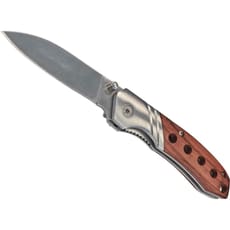
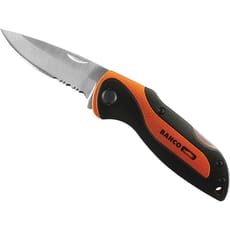
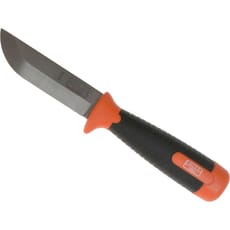
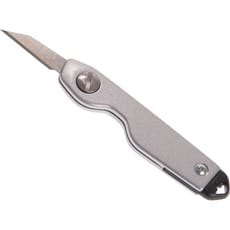
 Loading...
End of content
Error - No more pages to load
About Pocket Knives
Pocket knives are essential cutting tools designed for portability and versatility, featuring a folding blade that tucks safely inside the handle when not in use. Unlike utility knives with disposable blades, pocket knives have permanently attached blades that are thicker and more robust, making them ideal for demanding applications in professional and DIY settings. MyToolShed.co.uk stocks a comprehensive range of pocket knives from trusted brands including Bahco, Draper, Sealey, Stanley, Facom, Faithfull and WISS, offering solutions for every cutting requirement.
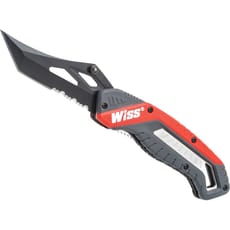
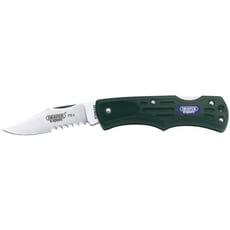
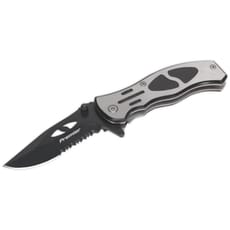
Many pocket knives feature locking mechanisms for enhanced safety during use, whilst some models incorporate partially serrated blades perfect for cutting through rope, cordage and heavy-duty fabrics. From curved blade wrecking knives to titanium-coated folding designs, the selection at MyToolShed covers everything from everyday carry tools to specialised cutting applications for professional tradespeople.
Applications
Pocket knives are versatile tools used across numerous trades and industries:
- Construction and site work: Opening packaging, cutting materials, marking and scoring
- Electrical work: Stripping cable sheathing, cutting cable ties and cord
- Landscaping and groundwork: Cutting twine, rope and cordage
- Carpentry: Marking timber, shaving wood, general workshop tasks
- Plumbing: Cutting sealant, tape and packaging materials
- Marine and outdoor activities: Cutting rope, line and fabric materials
- General DIY: Household repairs, garden maintenance and everyday cutting tasks
- Emergency services: Rescue operations, cutting seatbelts and cordage
Choosing The Right Pocket Knives
When selecting a pocket knife from MyToolShed.co.uk, consider these essential factors:
- Blade type: Straight blades for clean cuts, serrated edges for rope and tough materials, or combination blades for versatility
- Locking mechanism: Lock knives provide added safety by preventing accidental blade closure during use
- Handle material: Rubberised or textured grips offer better control in wet or slippery conditions
- Blade length: Consider legal requirements and intended use – longer blades suit heavy-duty tasks, whilst compact designs are ideal for everyday carry
- Blade material: Stainless steel resists corrosion, titanium-coated blades offer enhanced durability and edge retention
- Opening mechanism: One-handed operation features enable use when your other hand is occupied
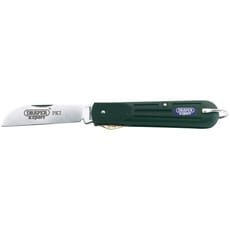
- Specialist features: Curved blades for wrecking work, sheepsfoot designs for controlled cutting, or dual-edge options for varied applications
Safety Information
Always ensure the blade is fully locked before use if your knife features a locking mechanism. Keep blades sharp – dull blades require more force and are more likely to slip. Store pocket knives safely when not in use, ensuring blades are folded away. Be aware of UK knife carry laws: folding pocket knives with blades under 3 inches (76mm) can be carried without good reason, but longer or locking blades require legitimate purpose. Always cut away from your body and keep hands clear of the cutting path.
Frequently Asked Questions
What's the difference between a pocket knife and a utility knife?
Pocket knives feature permanently attached blades that are thicker and more robust than utility knives, which use disposable snap-off blades. Pocket knives are better suited for heavy-duty applications and outdoor use, whilst utility knives excel at precise cutting tasks with fresh, sharp blades.
Are locking pocket knives legal to carry in the UK?
Locking pocket knives require a legitimate reason to carry in public, such as for work purposes. Non-locking folding knives with blades under 3 inches can be carried without specific reason. Always check current UK knife legislation before carrying any blade in public.
How do I maintain my pocket knife blade?
Keep the blade clean and dry after use, particularly if cutting dirty or corrosive materials. Regularly oil the pivot point to ensure smooth opening and closing. Sharpen blades as needed using an appropriate sharpening stone or tool, and check locking mechanisms periodically for proper function.