

Plumbing Tools
Pay in 3 interest-free payments on purchases from £30-2000 with  . Learn more.
 Loading...
End of content
Error - No more pages to load
About Plumbing Tools
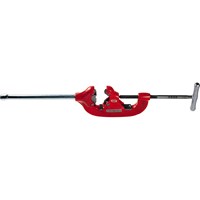
Professional plumbing tools are essential equipment for installing, maintaining, and repairing water supply systems, drainage networks, heating installations, and gas pipework to the exacting standards required by UK building regulations. MyToolShed.co.uk stocks a comprehensive range spanning pipe cutting and preparation equipment, bending tools, drain cleaning systems, blow torches for soldering, specialist joining tools, precision testing gauges, and the compounds and chemicals necessary for leak-free installations. Whether you're a Gas Safe registered engineer certifying installations, a professional plumber tackling bathroom refits, or a DIY enthusiast maintaining your own property, having the correct tools ensures efficient work and professional results.
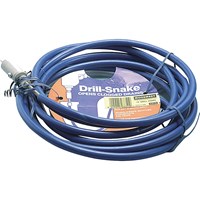
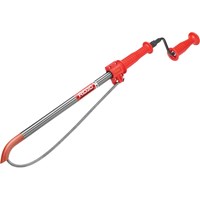
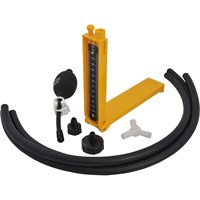
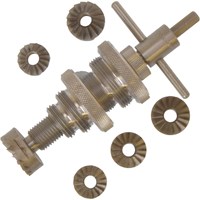
This category encompasses everything from basic tap reseaters for simple washer replacements through to sophisticated manometers for pressure testing gas and water systems. MyToolShed stocks trusted brands known for precision engineering and durability, alongside practical accessories including PTFE tape, jointing compounds, pipe freezing kits, and drain rods with various attachments for clearing blockages effectively.
Applications
Plumbing tools are used daily across numerous trades and situations:
- Qualified Plumbers & Heating Engineers: Complete installations, emergency repairs, and system maintenance in domestic and commercial properties
- Gas Safe Registered Engineers: Installing and testing gas pipework with certified calibrated equipment
- Bathroom & Kitchen Fitters: Precise pipework connections for suite installations and refurbishments
- Facilities Maintenance Technicians: Rapid repairs in schools, hospitals, offices, and commercial buildings
- Construction Site Plumbers: New build installations requiring pipe manipulation and fabrication
- Property Landlords: Maintaining rental properties and addressing tenant maintenance issues
- DIY Enthusiasts: Home improvements, radiator installations, and general plumbing repairs
- Agricultural Workers: Installing and maintaining water systems on farms and rural properties
Choosing The Right Plumbing Tools
Frequency of Use: Professional tradespeople working daily benefit from established brands like Rothenberger, Ridgid, or Monument offering durability and warranty support. Occasional DIY users can achieve excellent results with mid-range tools suitable for periodic use.
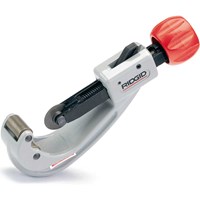
Pipe Materials and Sizes: Copper pipes require cutters delivering clean, square edges plus benders for common UK domestic sizes (15mm, 22mm, 28mm). Plastic pipework needs specialist cutters preventing crushing, whilst steel pipes demand heavier-duty equipment. Always verify the tool's capacity matches your typical working pipe diameters.
Certification Requirements: Testing equipment for gas work must meet current UK standards with traceable calibration certificates. Water test gauges should comply with Water Supply (Water Fittings) Regulations, whilst electrical equipment needs appropriate IP ratings for wet environments.
Portability Requirements: Mobile tradespeople benefit from compact, lightweight tools. Battery-powered pipe cutters offer excellent site mobility, though 240v mains-powered alternatives provide unlimited runtime for workshop fabrication.
Ergonomics: Plumbing frequently involves confined spaces and awkward positions. Tools with comfortable grips, good balance, and intuitive controls reduce fatigue during precision work like pipe bending or flaring.
Safety Information
Hot Work: Blow torches create significant heat and naked flames. Always use heat-resistant mats, keep fire extinguishers accessible, and allow adequate cooling time before handling soldered joints.
Pressurised Systems: Never cut into pressurised water or heating systems without proper isolation. Use appropriate test equipment to verify depressurisation before starting work, and never exceed safe working pressures during testing.
Chemical Hazards: Fluxes, drain cleaners, and jointing compounds may be corrosive. Follow COSHH guidelines, wear appropriate gloves and eye protection, ensure adequate ventilation, and dispose of chemicals correctly.
Gas Work: Only Gas Safe registered engineers should work on gas installations using properly calibrated testing equipment. Gas leaks present serious explosion and asphyxiation risks.
Frequently Asked Questions
What's the difference between compression and push-fit pipe fittings?
Compression fittings use a brass olive compressed onto the pipe by tightening a nut, creating secure joints suitable for concealed work and permanent installations. Push-fit fittings use internal grab rings and rubber seals for quick tool-free assembly, though they're best suited to accessible locations. Both are reliable when installed correctly, with compression fittings traditionally favoured for professional installations.
Do I need different tools for copper and plastic pipes?
Yes, the materials require different approaches. Copper pipes need cutters with hardened wheels that score through metal cleanly, plus deburring tools and potentially bending equipment. Plastic pipes require sharp cutters that slice rather than crush, and cannot be bent without specialist heating equipment. Many modern pipe cutters feature swappable blades for different materials.
How often should pressure testing equipment be calibrated?
Professional testing gauges used for certification work should be calibrated annually or according to manufacturer specifications. This ensures accuracy and compliance with Gas Safe requirements for gas work or water authority standards for potable water installations. Keep calibration certificates with your equipment for inspection purposes.