

Plug Sockets & Facings
Pay in 3 interest-free payments on purchases from £30-2000 with  . Learn more.
 Loading...
End of content
Error - No more pages to load
About Plug Sockets & Facings
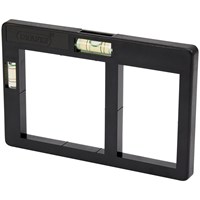
Plug sockets and facings are essential components for any electrical installation, whether fitting out a new property, upgrading existing wiring, or undertaking repair work. This category includes specialist tools designed to help electricians and skilled DIYers install socket boxes and facings with precision and efficiency. MyToolShed.co.uk stocks professional-grade equipment that ensures clean, accurate cuts in plasterboard and drywall, making socket installation faster and more professional.
From socket box cutting templates to marking tools, these products help achieve neat, regulation-compliant installations for 240v power outlets, data sockets, and switch facings. MyToolShed supplies trusted brands like Draper, known for their reliability and precision in the electrical installation sector.
Applications
Plug socket and facing installation tools are used across various trades and settings:
- Electricians and sparkies installing or upgrading socket outlets in domestic and commercial properties
- Builders and general contractors working on new builds, extensions, and renovation projects
- Plasterers and dry liners preparing walls for electrical fittings
- Kitchen and bathroom fitters installing power points for appliances
- Shop fitters and commercial installers configuring electrical outlets in retail and office spaces
- DIY enthusiasts undertaking home improvement projects requiring new socket installation
Choosing The Right Plug Sockets & Facings
When selecting tools for socket and facing installation, consider these key factors:
- Material compatibility: Ensure your cutting template works with your wall type, whether plasterboard, drywall, or other surfaces
- Socket box size: Check the template accommodates standard single and double gang back boxes (typically 35mm depth)
- Accuracy: Look for templates with clear marking guides to ensure precise positioning and level installation
- Durability: Choose tools manufactured from robust materials that withstand repeated use on site
- Compliance: Verify that installations meet current UK wiring regulations (BS 7671) and building standards
Safety Information
Warning: All electrical work involving 240v mains power must comply with Part P of the Building Regulations. Unless you are a qualified electrician or competent person, notifiable electrical work must be certified by a registered professional. Always isolate power supplies before commencing any installation work. Wear appropriate PPE including safety glasses when cutting plasterboard or using power tools. If in doubt about electrical safety, consult a qualified electrician.
Frequently Asked Questions
What size hole do I need for a standard socket box?
A single gang socket back box typically requires an 85mm x 85mm cutout, while a double gang needs approximately 170mm x 85mm. Socket box cutting templates from MyToolShed.co.uk are designed to these standard dimensions for accurate marking and cutting.
Can I install socket facings myself?
While fitting the decorative faceplate is straightforward, connecting the wiring to 240v power supplies is notifiable electrical work under Building Regulations. This must be carried out or certified by a qualified electrician unless you hold the appropriate qualifications.
What's the best way to cut plasterboard for socket boxes?
Use a socket box cutting template to mark your cutout accurately, then use a padsaw or fine-toothed drywall saw for clean, precise cuts. Scoring the surface first helps prevent tearing of the plasterboard paper.