
Pliers
Pay in 3 interest-free payments on purchases from £30-2000 with  . Learn more.
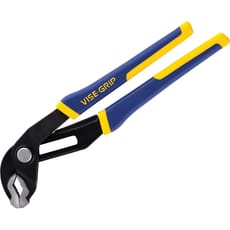
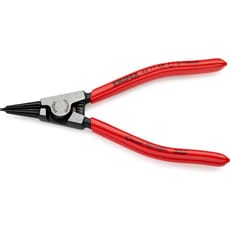
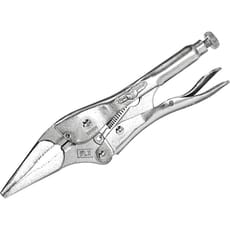
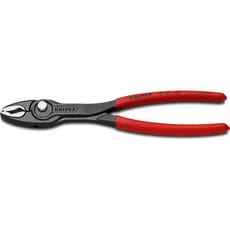
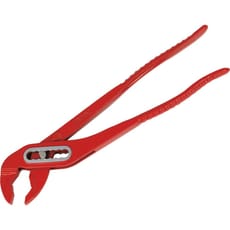
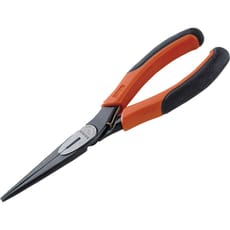
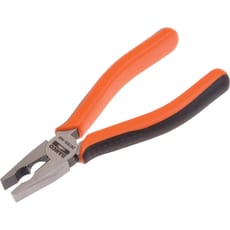
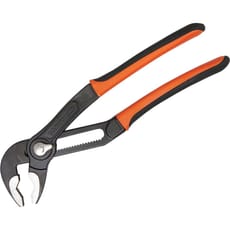
 Loading...
End of content
Error - No more pages to load
About Pliers
Pliers are essential hand tools found in virtually every toolbox across the UK, from professional tradespeople to home DIY enthusiasts. Designed for gripping, bending, cutting, and manipulating materials, pliers combine leverage and precision to tackle tasks that would be impossible with fingers alone. MyToolShed.co.uk offers an extensive range of specialist pliers, each engineered for specific applications across automotive, electrical, construction, and general maintenance work.
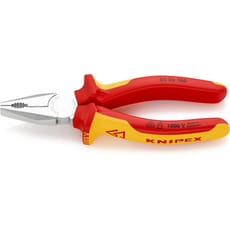
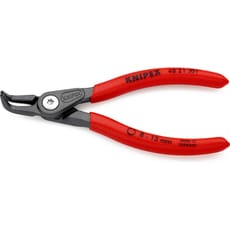
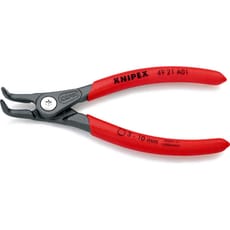
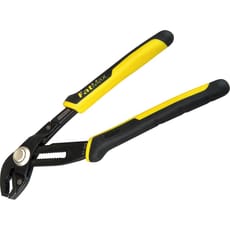
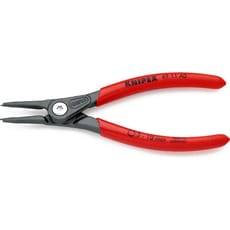
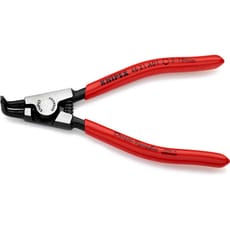
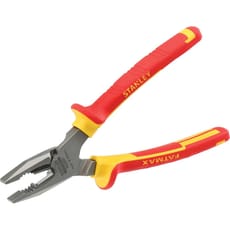
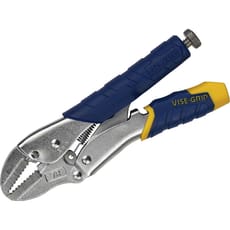
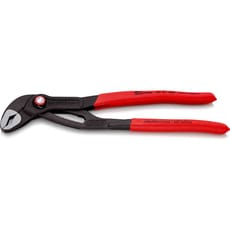
Our comprehensive pliers category includes everything from standard combination pliers and long nose pliers to specialist tools such as VDE insulated pliers for electrical work, circlip pliers for precision engineering, and robust waterpump pliers for plumbing tasks. Whether you need automotive pliers for brake repairs, locking pliers for secure gripping, or complete plier sets for professional use, MyToolShed.co.uk stocks quality tools from trusted manufacturers to meet exacting trade standards.
Applications
Pliers are indispensable across numerous trades and industries:
- Electricians: VDE pliers and wire twisting pliers for safe electrical installations working with 240v circuits
- Automotive mechanics: Hose clamp pliers, automotive pliers, and circlip pliers for vehicle maintenance and repair
- Plumbers: Waterpump pliers and combination pliers for pipework and fitting installations
- Engineers and fabricators: Locking pliers, flat nose pliers, and round nose pliers for metalwork and assembly
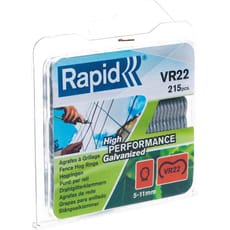
- Fencing contractors: Specialist fencing pliers for wire cutting, gripping, and staple removal
- Electronics technicians: Precision electronics pliers and bent nose pliers for delicate component work
- General construction and maintenance: Combination pliers and plier sets for everyday gripping, cutting, and bending tasks
Choosing The Right Pliers
Selecting appropriate pliers depends on several key factors:
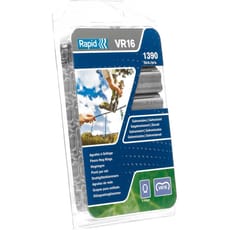
- Task requirements: Identify whether you need cutting, gripping, bending, or specialist functions like circlip installation or hog ring fastening
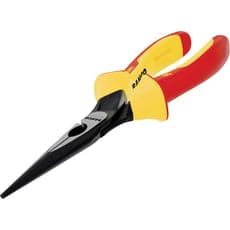
- Jaw design: Flat nose for gripping flat materials, long nose for confined spaces, round nose for loop forming, or serrated for maximum grip
- Insulation needs: VDE-certified pliers rated to 1000V are essential for electricians working with 240v systems and above
- Size and reach: Consider jaw opening capacity and handle length for leverage and accessibility in your working environment
- Material quality: Chrome vanadium steel offers durability, whilst hardened cutting edges ensure longevity for wire cutting applications
- Handle comfort: Ergonomic grips with cushioned handles reduce fatigue during prolonged use
- Professional vs DIY use: Trade-quality pliers offer superior durability for daily professional use, whilst budget options suit occasional DIY tasks
Safety Information
Always use VDE-certified insulated pliers when working on or near live electrical circuits. Standard pliers provide no electrical protection and must never be used on energised 240v systems. Regularly inspect pliers for damage, particularly worn cutting edges, damaged insulation, or loose joints. Wear appropriate PPE including safety glasses when cutting wire, as cut ends can become projectiles. Never extend plier handles with pipes or bars to gain extra leverage, as this can cause tool failure and injury.
Frequently Asked Questions
What's the difference between combination pliers and side cutters?
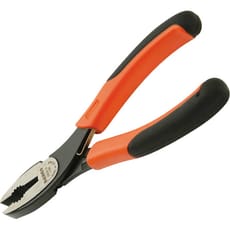
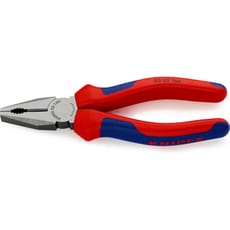
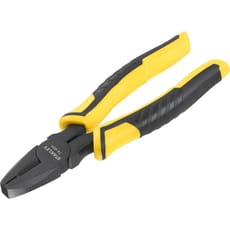
Combination pliers feature both serrated gripping jaws and a cutting section near the pivot point, making them versatile for multiple tasks. Side cutters are specialised for flush cutting wire and have cutting edges that meet at the side rather than incorporating gripping surfaces.
Can I use regular pliers for electrical work?
No. Only use VDE-certified insulated pliers rated to 1000V for electrical work involving 240v mains circuits. Standard pliers offer no electrical protection and pose a serious electrocution risk when used near live conductors.
How do I maintain my pliers?
Keep pivot points clean and lightly oiled for smooth operation. Wipe jaws clean after use to prevent material buildup. Store in a dry environment to prevent corrosion, and periodically check that cutting edges remain sharp and handles are secure.