
Plastering Stilts

Pay in 3 interest-free payments on purchases from £20-£3000 with  . Learn more.
 Loading...
End of content
Error - No more pages to load
About Plastering Stilts
Plastering stilts are essential height-access tools designed to help plasterers, decorators and other tradespeople work efficiently on ceilings and upper wall sections without constantly repositioning ladders or scaffolding. These adjustable leg extensions typically raise the user between 450mm to 760mm, allowing comfortable overhead work whilst maintaining mobility around the work area. MyToolShed.co.uk stocks professional-grade plastering stilts from trusted brands like Faithfull, alongside essential spare parts to keep your equipment in top working condition.
Whether you're skimming ceilings, fitting coving, or painting large commercial spaces, quality plastering stilts significantly reduce physical strain and dramatically improve productivity. Modern designs feature lightweight aluminium construction with secure strapping systems and wide footplates for stability, making them suitable for extended periods of use on various floor surfaces.
Applications
- Plasterers: Ceiling skimming, artex removal, coving installation and render finishing
- Decorators and painters: Ceiling painting, wallpapering upper walls and decorative finishing work
- Dry liners: Plasterboard ceiling installation, taping and jointing
- Electricians: Ceiling light installation, fire alarm fitting and cable work
- Commercial contractors: Working in retail units, warehouses and offices with high ceilings
- Maintenance teams: General repairs and maintenance in schools, hospitals and public buildings
- DIY enthusiasts: Home renovation projects requiring overhead access
Choosing The Right Plastering Stilts
When selecting plastering stilts at MyToolShed.co.uk, consider these essential factors:
- Height range: Most professional stilts offer adjustable heights between 450-760mm. Choose based on your typical ceiling heights and the work you undertake most frequently
- Weight capacity: Ensure the stilts are rated for your body weight plus any tools or materials you'll carry. Professional models typically support users up to 100kg
- Build quality: Look for robust aluminium construction with reinforced joints and quality strapping systems. Faithfull stilts offer proven durability for trade use
- Adjustability: Quick-release adjustment mechanisms allow fast height changes without tools, essential when working across multiple rooms
- Comfort features: Padded straps, contoured leg supports and anti-slip footplates reduce fatigue during extended use
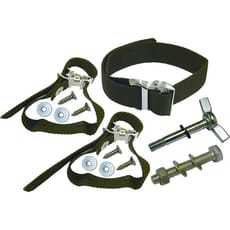
- Spare parts availability: Keep spare straps, pins and footplates on hand to minimise downtime from wear and tear
Safety Information
Always inspect plastering stilts before use, checking for damaged components, worn straps or loose fixings. Practice walking on stilts in a clear area before starting work, and never use them on uneven surfaces, stairs or near exposed edges. Ensure secure fastening of all straps and maintain three points of contact when mounting or dismounting. Avoid carrying heavy loads whilst on stilts, and never exceed the manufacturer's maximum weight rating. Use appropriate fall protection equipment when working at significant heights or in hazardous environments.
Frequently Asked Questions
How long does it take to learn to use plastering stilts?
Most users become comfortable walking on plastering stilts within 15-30 minutes of practice. Start by holding onto stable surfaces and gradually build confidence before attempting detailed work. Professional plasterers typically achieve full working proficiency within a few hours of use.
What ceiling heights are plastering stilts suitable for?
Standard plastering stilts adding 450-760mm to your height are ideal for ceilings between 2.4-3 metres high. This allows comfortable working reach whilst maintaining safe balance and control for precision plastering and decorating tasks.
Can I use plastering stilts outdoors?
Plastering stilts can be used outdoors on firm, level surfaces such as concrete or paving. However, avoid using them on soft ground, gravel or uneven terrain where stability is compromised. Always assess ground conditions before use to prevent accidents.