

Plaster Mixers
Pay in 3 interest-free payments on purchases from £30-2000 with  . Learn more.
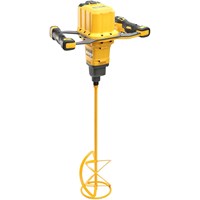
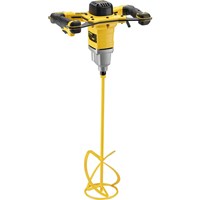
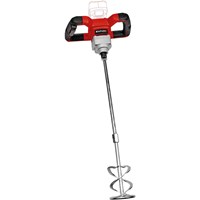
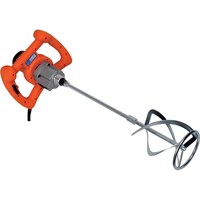
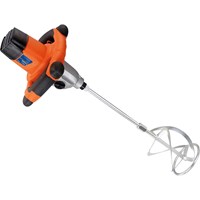
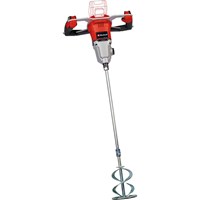
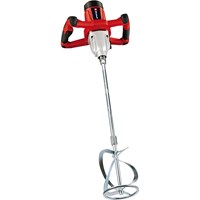
Einhell Professional TP-MX 18-2 Li BL 18v Cordless Brushless Paddle Mixer
in stock
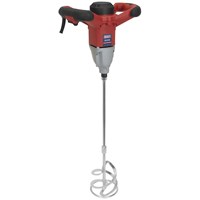
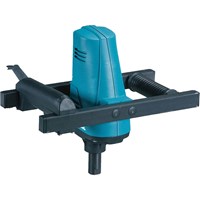
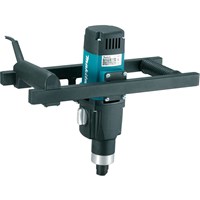
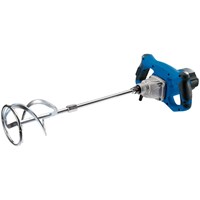
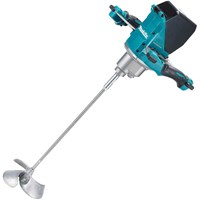
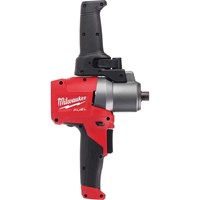
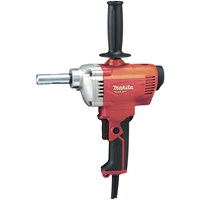
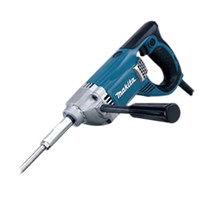
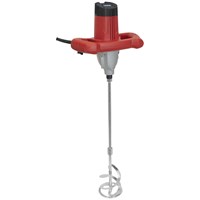
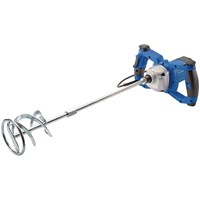
 Loading...
End of content
Error - No more pages to load
About Plaster Mixers
Plaster mixers, also known as paddle mixers or mixing drills, are specialised power tools designed to efficiently blend plaster, mortar, cement, paint, adhesives, and other building materials to a smooth, lump-free consistency. Unlike standard drills, these tools feature powerful motors with high torque output and slower rotational speeds, making them ideal for stirring thick, heavy compounds without straining the motor. MyToolShed.co.uk stocks a comprehensive range of plaster mixers from leading manufacturers including Makita, DeWalt, Milwaukee, Einhell, and Draper, offering both corded and cordless options to suit professional tradespeople and DIY enthusiasts alike.
Available in formats ranging from compact 18V battery-powered units to heavy-duty mains-powered 240v models exceeding 1600W, modern plaster mixers incorporate advanced features such as brushless motor technology, variable speed control, soft-start functions, and two-speed gearboxes. Most models accept standard M14 threaded paddles in various sizes and configurations, allowing you to match the mixing tool to your specific material viscosity and bucket size, whether you're preparing fine finishing plaster or thick render and screed.
Applications
- Plasterers and Dry Liners: Mixing plaster, joint compound, and finishing materials for wall and ceiling applications
- Bricklayers and Masons: Preparing mortar, render, and cement mixes for brickwork and stone installations
- Tilers: Blending tile adhesive, grout, and levelling compounds for floor and wall projects
- Painters and Decorators: Mixing paint, textured coatings, and specialist finishes to uniform consistency
- General Builders: Preparing various building materials on site for diverse construction applications
- Restoration Specialists: Mixing traditional lime mortars and specialist repair compounds for heritage work
- Landscapers: Preparing concrete mixes and specialist paving materials
- DIY Enthusiasts: Home renovation projects including plastering, tiling, and rendering
Choosing The Right Plaster Mixers
Power Source: Corded 240v models like the Makita UT1600 or Einhell TE-MX 1600-2 CE provide consistent power for prolonged mixing sessions, ideal for workshop use or sites with reliable mains access. Cordless options such as the DeWalt DCD240 54V FLEXVOLT or Makita UT001G 40V XGT offer excellent portability and eliminate trip hazards, perfect for working across multiple locations.
Motor Power and Torque: For occasional DIY use and lighter materials, a 1200-1400W corded mixer or 18V cordless model provides adequate performance. Professional tradespeople mixing heavy materials like thick render should opt for 1600W+ corded models or 40V-54V cordless units. Higher torque ratings ensure the motor won't stall when mixing thick compounds.
Speed Control: Single-speed mixers suit straightforward tasks, whilst two-speed models offer greater versatility. Lower speeds suit thick materials like mortar, whilst higher speeds work better for thinner compounds. Variable speed triggers provide finer control to match material consistency and prevent splashing.
Battery Compatibility: When choosing cordless, consider whether the mixer uses batteries compatible with other tools you own. MyToolShed.co.uk stocks platform systems from DeWalt XR FLEXVOLT, Makita LXT/XGT, and Milwaukee, allowing battery sharing across multiple tools.
Safety Information
Always wear appropriate personal protective equipment including safety goggles, heavy-duty gloves, and dust masks when mixing dry powders. Ensure the mixer paddle is securely tightened before use and introduce the paddle into material before triggering the motor to prevent splashing. Use both hands to maintain firm control, particularly when encountering resistance. When using corded models, protect cables from damage and always use an RCD (Residual Current Device) for electrical safety protection on site. Ensure adequate ventilation when mixing in enclosed spaces and consult material safety data sheets for specific handling requirements.
Frequently Asked Questions
Can I use a normal drill instead of a dedicated plaster mixer?
Standard drills lack the necessary torque and gearing for mixing thick materials and will quickly overheat or burn out under sustained loads. Plaster mixers feature reinforced gearboxes, higher torque output at lower speeds, and cooling systems designed for continuous operation. Using a standard drill typically voids the warranty and risks tool damage.
What's the difference between 18V and 40V-54V cordless plaster mixers?
Higher voltage cordless mixers deliver significantly more power when mixing thick, heavy materials. An 18V mixer suits occasional use and lighter materials, whilst 40V-54V models provide performance comparable to corded mixers, handling professional-grade applications and larger volumes with substantially increased battery runtime.
Are brushless plaster mixers worth the extra cost?
For professional users or frequent DIY applications, brushless motors provide excellent value through increased battery runtime (typically 25-50% longer), extended tool lifespan, improved efficiency under load, and reduced maintenance requirements. For occasional use, traditional brushed motors remain perfectly adequate.