
Planes

Pay in 3 interest-free payments on purchases from £20-£3000 with  . Learn more.
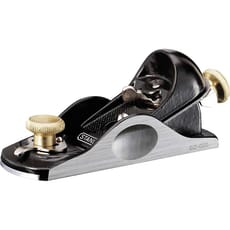
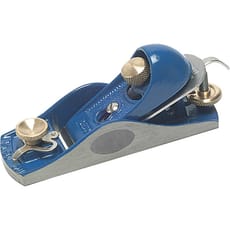
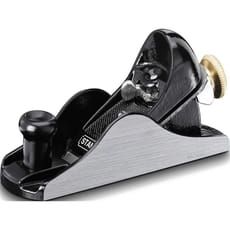
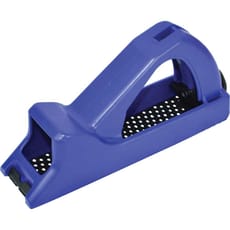
Loading...
End of content
Error - No more pages to load
About Planes
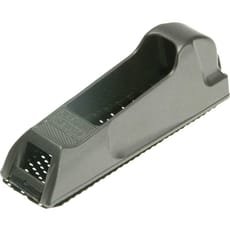
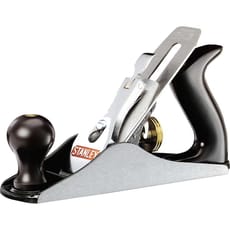
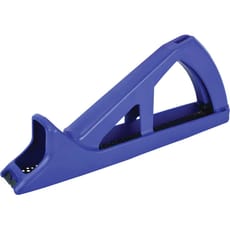
Planes are essential hand tools for shaping, smoothing and finishing timber with precision and control. From traditional bench planes to specialist rebate planes and modern surforms, MyToolShed.co.uk stocks a comprehensive range of woodworking planes to suit every joinery task. Whether you're a professional carpenter creating bespoke furniture or a DIY enthusiast restoring period features, the right plane delivers superior results that power tools simply cannot match.
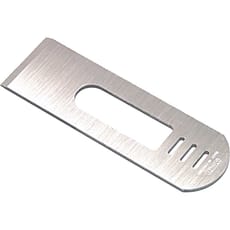
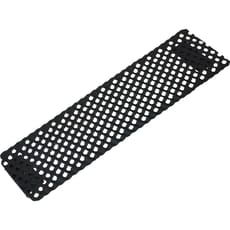
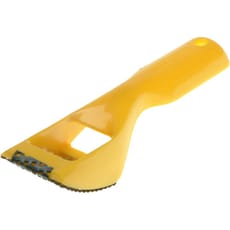
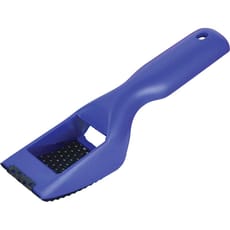
Our planes category encompasses everything from versatile jack planes for initial stock preparation through to fine smoothing planes for achieving glass-like finishes. MyToolShed offers quality options across bench planes, block planes, spokeshaves, and all necessary accessories including spare irons and complete planer sets. Each tool is selected to meet the exacting standards expected by British tradespeople and serious woodworkers.
Applications
Planes are indispensable tools for numerous trades and projects:
- Joiners and carpenters - dimensioning timber, fitting doors, creating joints and achieving smooth surfaces
- Furniture makers - fine finishing, edge preparation and detailed shaping work
- Shopfitters - trimming and fitting wooden fixtures to precise tolerances
- Restoration specialists - matching existing profiles and finishes in period properties
- DIY enthusiasts - general woodworking, home improvements and craft projects
- Boat builders - shaping curved components using spokeshaves and specialist planes
- Window and door installers - fine adjustments for perfect fitting
Choosing The Right Planes
Selecting appropriate planes depends on your specific requirements:
- Task type - bench planes for general work, block planes for end grain and fine detail, rebate planes for joinery
- Blade width - wider blades (50-60mm) for efficiency on large surfaces, narrower options for detailed work
- Sole length - longer soles flatten better, shorter planes follow curves and suit smaller workpieces
- Adjustability - quality planes offer precise depth and lateral blade adjustment for consistent results
- Body material - cast iron provides weight and stability, modern composite options reduce fatigue
- Blade quality - high-carbon or laminated steel holds edges longer between sharpenings
- Handle comfort - ergonomic designs reduce hand strain during extended use
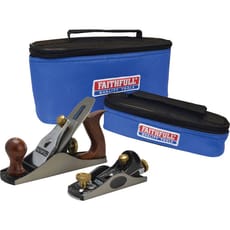
MyToolShed.co.uk recommends starting with a versatile jack plane and block plane combination, then expanding your collection as specific needs arise. Consider complete planer sets for excellent value when equipping a new workshop.
Frequently Asked Questions
What's the difference between bench planes and block planes?
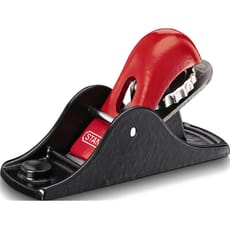
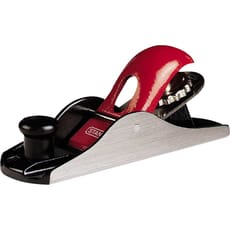
Bench planes are larger tools used two-handed for dimensioning and smoothing timber surfaces along the grain. Block planes are compact, single-handed tools ideal for end grain work, chamfering edges and fine trimming tasks where manoeuvrability matters.
How often should plane irons be sharpened?
Sharpen plane irons when you notice increased effort required or torn rather than smooth shavings. Frequency depends on timber hardness and usage intensity - hardwoods dull blades faster. Keep spare irons ready for uninterrupted workflow on larger projects.
Can planes be used on all wood types?
Quality planes handle both softwoods and hardwoods effectively when properly sharpened and adjusted. Very resinous timbers may require more frequent blade cleaning, whilst highly figured or interlocked grain benefits from reduced cutting depth and sharper irons to prevent tearout.