

Planers
Pay in 3 interest-free payments on purchases from £30-2000 with  . Learn more.
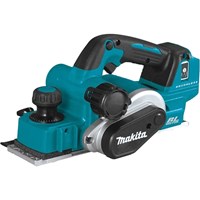
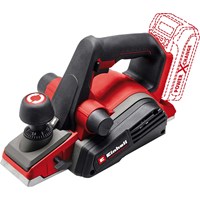
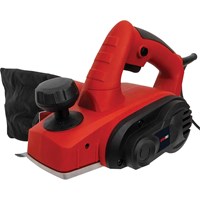
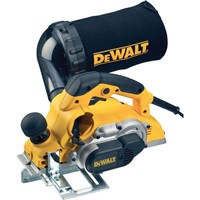
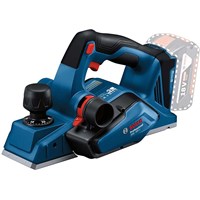
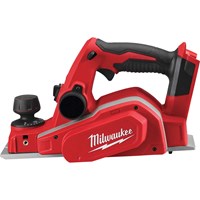
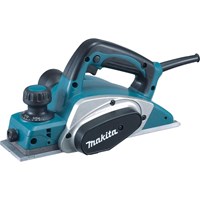
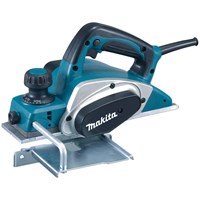
 Loading...
End of content
Error - No more pages to load
About Planers
Planers are indispensable power tools for removing material from wooden surfaces, creating smooth, flat finishes and precise thicknesses for professional joinery and carpentry work. Whether you're fitting doors, levelling timber joists, or creating rebates and chamfers, a quality planer delivers consistent results that would otherwise require laborious hand planing. MyToolShed.co.uk stocks a comprehensive range from leading manufacturers including Makita, DeWalt, Bosch Professional, Festool, and Milwaukee, alongside excellent value options from Einhell, Draper, and Black & Decker.
Available in both corded 240v electric and cordless battery-powered formats, modern planers feature rotating cutter blocks with carbide-tipped blades that shave wood to adjustable depths, typically 0-3mm per pass. Most models offer an 82mm planing width—ideal for standard joinery work—with professional-grade options incorporating brushless motors for extended runtime and durability. From compact 12V cordless models perfect for fine finishing to powerful 750-920W mains-powered planers capable of rapid stock removal, there's a solution for every application and budget.
Applications
Planers serve numerous trades and applications across professional and DIY sectors:
- Carpenters and Joiners: Fitting doors, hanging windows, creating joints, and achieving precise timber dimensions
- Shopfitters: Installing counters, shelving, and bespoke joinery requiring exact fitting
- Kitchen Fitters: Adjusting door heights, scribing worktops, and ensuring perfect fits in uneven spaces
- Builders and General Contractors: Levelling joists, dimensioning structural timbers, and general carpentry tasks
- Restoration Specialists: Working with reclaimed timber and fitting components to period properties
- Furniture Makers: Dimensioning timber, creating joints, and achieving smooth surfaces before finishing
- DIY Enthusiasts: Home renovation projects, garden construction, and woodworking requiring precise timber preparation
Choosing The Right Planers
Power Source: Corded 240v planers (600-950W) deliver consistent power for extended workshop use and heavy-duty applications. Cordless 12V and 18V models offer excellent portability for site work and overhead applications. If you already use Makita LXT, DeWalt XR, or Milwaukee M18 batteries, staying within that platform maximises value.
Planing Capacity: Standard 82mm width suits most carpentry tasks. Consider cutting depth for your typical work—deeper cuts (up to 3mm) speed up stock removal but require more powerful motors. Check rebating capacity (typically 0-20mm) if you regularly create rebates for glazing or joinery.
Motor Technology: Brushless motors in premium models from Makita, DeWalt, and Festool deliver superior efficiency and extended lifespan. Brushed motors in budget options from Einhell and Draper perform well for lighter-duty use.
Budget: Entry-level planers (£50-£100) suit occasional DIY use. Mid-range options (£100-£200) balance performance and value for regular use. Professional models from leading brands available at MyToolShed.co.uk (£200-£500+) justify their cost through durability and advanced features for daily commercial use.
Safety Information
- Always wear safety glasses or goggles to protect against flying wood chips
- Use hearing protection—planers can exceed 85dB during operation
- Connect dust extraction to manage wood dust, classified as a carcinogen under COSHH regulations
- Ensure corded planers are connected to RCD-protected 240v supplies
- Always clamp workpieces securely before planing
- Disconnect from power before changing blades or making adjustments
- Inspect reclaimed timber for nails and screws that could damage blades
Frequently Asked Questions
What's the difference between a planer and a sander?
A planer removes material using rotating cutting blades to reduce thickness and flatten surfaces, whilst a sander uses abrasive paper to smooth surfaces without significantly changing dimensions. You typically plane first to achieve the correct size, then sand for a fine finish.
Should I choose corded or cordless for professional use?
Both have merits depending on working conditions. Corded planers deliver consistent power for workshop use without battery concerns. Cordless 18V models excel for site work and locations without mains power. Many professionals invest in both types for maximum versatility.
How often should I replace planer blades?
Blade life depends on usage intensity and material type. Signs requiring attention include tearout instead of clean cuts, burn marks on timber, or visible nicks in blade edges. Professional tradespeople may need replacement every few weeks, whilst DIY users might get months of service from quality carbide-tipped blades.