

Planers & Thicknessers
Pay in 3 interest-free payments on purchases from £30-2000 with  . Learn more.
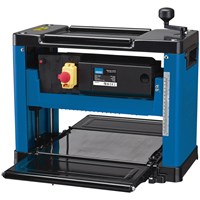
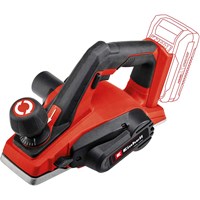
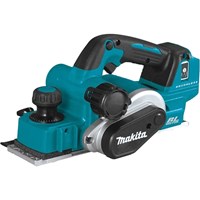
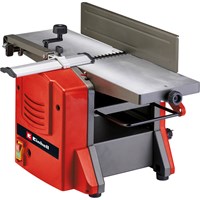
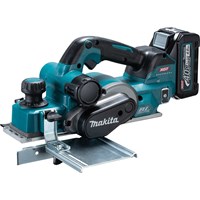
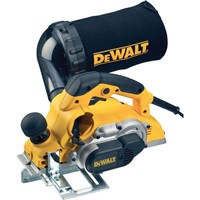
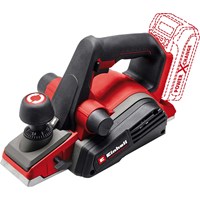
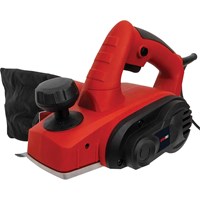
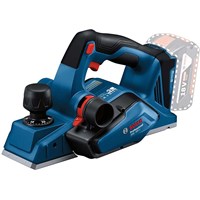
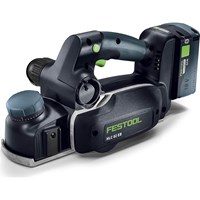
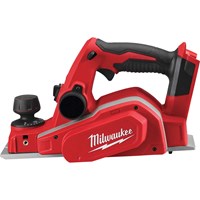
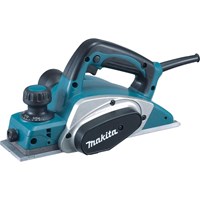
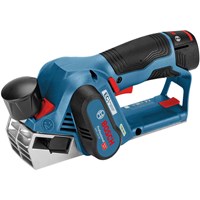
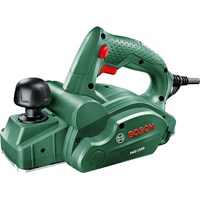
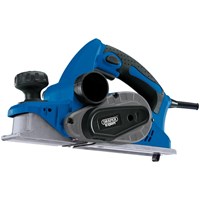
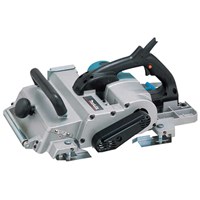
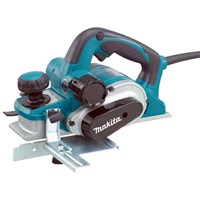
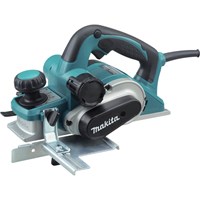
 Loading...
End of content
Error - No more pages to load
About Planers & Thicknessers
Planers and thicknessers are essential woodworking tools designed to transform rough timber into smooth, dimensionally accurate stock ready for joinery and carpentry projects. Whether you're a professional joiner preparing hardwood for bespoke furniture or a keen DIY enthusiast tackling home renovations, MyToolShed.co.uk stocks a comprehensive range of both handheld power planers and bench-mounted planer thicknessers to suit every workshop requirement.
Evolving from traditional hand planes, modern electric planers dramatically reduce preparation time and physical effort when surfacing timber. Handheld models offer portability and precision for on-site work, rebating, and chamfering, whilst combination planer thicknessers provide workshop-based efficiency for processing large volumes of stock to consistent dimensions. Available in 240v corded, cordless battery-powered, and three-phase industrial specifications.
Applications
Planers and thicknessers are invaluable across numerous trades and applications:
- Joiners and carpenters – dimensioning timber for doors, windows, staircases, and bespoke furniture
- Cabinet makers – preparing hardwoods and veneered boards to precise thicknesses
- Shopfitters – surface finishing architectural timber elements
- Builders – trimming doors to fit, chamfering edges, and general site carpentry
- Boat builders – shaping and smoothing marine-grade timber components
- DIY enthusiasts – home renovation projects, reclaiming rough-sawn timber, and woodworking hobbies
- Educational workshops – teaching timber preparation and joinery skills
Choosing The Right Planers & Thicknessers
Selecting the appropriate tool depends on your specific requirements. For handheld planers, consider blade width (typically 82mm to 312mm), planing depth capacity (usually 0-4mm), and power source – 240v corded models offer consistent power for workshop use, whilst cordless versions provide site flexibility. Look for features like rebating fences, dust extraction ports, and adjustable depth stops.
When specifying planer thicknessers, key factors include maximum planing width (common sizes range from 204mm to 410mm for professional machines), thicknesser capacity, table length for supporting longer workpieces, and motor power. MyToolShed.co.uk stocks leading brands offering both hobby-grade machines for occasional use and industrial three-phase models for high-volume production workshops.
Additional considerations include dust extraction compatibility (essential for maintaining a clean, safe workspace), blade changing mechanisms, and whether portable or static installation suits your workshop layout best.
Safety Information
Planers and thicknessers present significant hazards requiring strict safety protocols. Always wear appropriate PPE including safety glasses, hearing protection, and dust masks. Ensure workpieces are free from nails, screws, and foreign objects before machining. Never reach over or behind running blades, and always disconnect from the 240v mains supply before blade changes or adjustments. Maintain sharp blades to prevent kickback, use push blocks when surface planing, and connect to adequate dust extraction to minimise airborne particles. Consult manufacturer instructions and consider formal training for commercial workshop environments.
Frequently Asked Questions
What's the difference between a planer and a thicknesser?
A planer (or surface planer) flattens one face of timber, whilst a thicknesser machines the opposite face parallel to the first. Combination machines perform both operations, making them ideal for complete timber preparation in one unit.
Can I use a hand planer instead of a bench-mounted machine?
Handheld power planers excel at smaller jobs, chamfering, rebating, and site work, but bench-mounted planer thicknessers are far more efficient for processing large volumes of stock to consistent dimensions with superior flatness and accuracy.
Do I need three-phase power for a planer thicknesser?
Most hobby and semi-professional machines at MyToolShed.co.uk run on standard 240v single-phase supply. Three-phase models are typically reserved for industrial workshops with higher power requirements and continuous-duty cycles.