

Pick Hammers
Pay in 3 interest-free payments on purchases from £30-2000 with  . Learn more.

 Loading...
End of content
Error - No more pages to load
About Pick Hammers
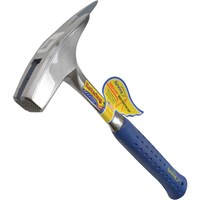
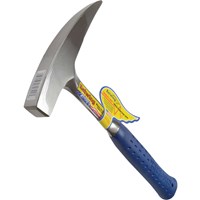
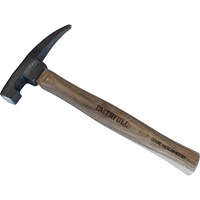
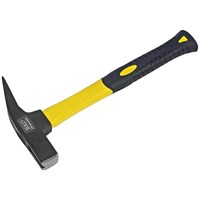
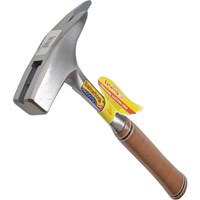
Pick hammers are specialised striking tools that combine a traditional hammer face on one side with a pointed pick on the other, making them invaluable for trades requiring both demolition and precision work. MyToolShed.co.uk stocks a comprehensive range of pick hammers from trusted brands including Estwing, Faithfull, and Sealey, designed to meet the demanding needs of professional tradespeople and serious DIY enthusiasts. These versatile tools are engineered for durability and balance, featuring robust construction with options including traditional steel designs, magnetic heads for nail-holding convenience, and modern fibreglass handles for reduced vibration.
Whether you're looking for a roofer's pick hammer for slate and tile work, a geological pick for excavation and fieldwork, or a rock pick for breaking and splitting stone, MyToolShed offers quality options suited to various applications. The range includes both milled and smooth face designs, with many models featuring shock-absorbing handles to reduce user fatigue during extended use.
Applications
Pick hammers serve multiple trades and industries, including:
- Roofing: Removing and fitting slates, tiles, and shingles; the magnetic versions hold nails for single-handed operation
- Geology and surveying: Breaking rock samples, chipping away at geological formations, and field excavation work
- Landscaping: Breaking up compacted soil, splitting stones, and removing embedded rocks
- Demolition: Stripping plaster, removing render, and breaking up masonry
- Archaeology: Careful excavation and sample extraction
- General construction: Creating pilot holes in walls, removing old fixings, and precision breaking work
Choosing The Right Pick Hammers
When selecting a pick hammer from MyToolShed.co.uk, consider these key factors:
- Head weight: Typically ranging from 450g to 900g; lighter hammers offer better control for precision work, whilst heavier models provide more striking force for demolition
- Handle material: Steel shanks provide maximum durability for heavy-duty use, whilst fibreglass handles reduce vibration and shock transmission to the user's hand and arm
- Pick design: Pointed picks suit breaking and penetrating work, whilst chisel-edged picks are better for prying and splitting
- Magnetic features: Essential for roofers who need to hold nails whilst working at height or on steep pitches
- Face type: Milled faces grip nail heads better, smooth faces are suited for striking without marking
- Balance and grip: Look for cushioned or contoured grips that reduce fatigue during prolonged use
Safety Information
Always wear appropriate personal protective equipment when using pick hammers, including safety glasses or goggles to protect against flying debris, and sturdy work gloves for improved grip and hand protection. Ensure the hammer head is securely attached to the handle before each use, and inspect for cracks or damage regularly. When working overhead or at height, use a tool lanyard to prevent drops. Strike surfaces squarely to avoid glancing blows that could cause injury or damage the tool.
Frequently Asked Questions
What's the difference between a rock pick and a roofer's pick hammer?
A rock pick typically features a longer, more pointed pick end designed for breaking and splitting stone, whilst a roofer's pick hammer has a shorter pick suited for removing and setting slates and tiles. Roofer's versions often include magnetic heads for holding nails during installation work at height.
Why choose a fibreglass handle over a steel shaft?
Fibreglass handles absorb significantly more shock and vibration than steel, reducing fatigue and strain on your hands, wrists, and arms during extended use. They're particularly beneficial for all-day work, though steel shafts offer superior durability for extremely heavy-duty applications.
Can I use a pick hammer for general carpentry work?
Whilst pick hammers can drive nails, they're not optimised for carpentry. The pick end adds unnecessary weight for framing work, and traditional claw hammers provide better nail-pulling capability. Pick hammers excel at their specialised tasks but aren't ideal replacements for dedicated carpentry hammers.