

Petrol Engine Tools
Pay in 3 interest-free payments on purchases from £30-2000 with  . Learn more.
 Loading...
End of content
Error - No more pages to load
About Petrol Engine Tools
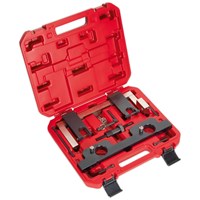
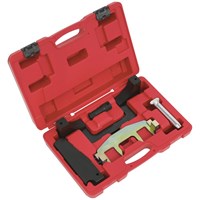
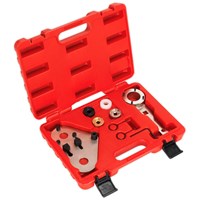
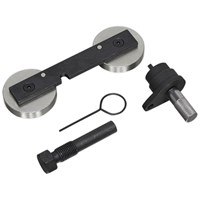
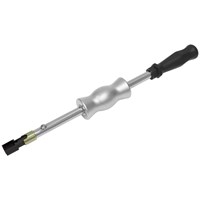
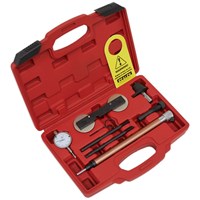
Petrol engine tools are specialised diagnostic and repair equipment essential for servicing modern petrol engines with precision and accuracy. This category includes timing tool kits, high-tension (H.T.) testers, and injector pullers designed for specific vehicle manufacturers including VAG (Volkswagen, Audi, Seat, Skoda), Ford, BMW, Mercedes, Mazda, and Volvo. MyToolShed.co.uk stocks professional-grade petrol engine tools from trusted brands like Sealey and Draper, engineered to handle the exacting tolerances of contemporary engine designs.
Modern petrol engines require manufacturer-specific tooling to safely carry out timing belt replacements, valve timing adjustments, and fuel system maintenance. From Ford EcoBoost injector pullers to comprehensive timing kits for VAG TSFi engines and Mercedes M271 units, these tools prevent catastrophic valve-to-piston contact and ensure engines are timed correctly. Whether you're a professional mechanic working across multiple vehicle platforms or a serious DIY enthusiast servicing your own car, having the correct petrol engine tools is non-negotiable for preventing expensive engine damage.
Applications
- Professional Motor Mechanics: Timing belt replacements, engine diagnostics, and scheduled maintenance in independent garages and main dealerships
- Mobile Mechanics: On-site servicing requiring manufacturer-specific timing tools for various vehicle makes
- MOT Testing Stations: Diagnosing ignition system faults and timing issues affecting emissions compliance
- Fleet Maintenance Workshops: Servicing company vehicles and light commercial petrol engines
- Vehicle Restoration Specialists: Precision timing work on classic and modern petrol engines
- Automotive Training Colleges: Teaching engine repair techniques to apprentice technicians
- Competent DIY Mechanics: Undertaking major service work to save on garage labour costs
Choosing The Right Petrol Engine Tools
Vehicle compatibility is the most critical factor when selecting petrol engine tools. Timing kits are manufactured for specific engine codes, so always verify the tool set matches your exact engine type using the manufacturer's compatibility charts. Using incorrect tools can cause serious engine damage, so never compromise on this fundamental requirement.
Consider your usage frequency when deciding on quality level. Professional mechanics should invest in robust Sealey timing kits built for daily use, whilst occasional DIY users may consider more economical options—though quality should never be compromised for timing work. If you work across multiple vehicle brands, you'll need several manufacturer-specific kits; MyToolShed.co.uk stocks comprehensive ranges covering Ford, VAG, BMW, and Mercedes applications.
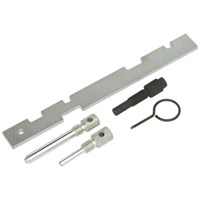
Always verify that timing tool kits include complete components for the job: camshaft locking tools, crankshaft setting pins, flywheel holders, and all necessary adaptors. Review the contents list against the manufacturer's service procedures to avoid discovering missing components mid-job. High-tension testers tend to be more universal and can diagnose ignition faults across various petrol engine types.
Safety Information
Always disconnect the vehicle battery before commencing timing work to prevent accidental starter motor engagement. Never attempt to rotate the engine whilst timing components are locked in position—this will cause catastrophic valve and piston damage. Ensure adequate ventilation when working with petrol engines, as fuel vapours are highly flammable.
When using high-tension testers, follow manufacturer instructions carefully and keep hands clear of spark plug leads whilst the ignition is active. Wear safety glasses when removing injectors to protect against fuel spray. Never work beneath a vehicle supported only by a jack—always use properly rated axle stands and follow HSE guidance for working with vehicles.
Frequently Asked Questions
Can I use universal timing tools instead of manufacturer-specific kits?
No, this is strongly discouraged. Modern petrol engines have unique timing component designs requiring precisely engineered tools. Using incorrect or improvised tools results in incorrect timing, leading to bent valves, damaged pistons, and expensive engine repairs. Always use manufacturer-recommended timing tools for your specific engine code.
Do I need different timing tools for each vehicle I work on?
Yes, in most cases. Different manufacturers and even engine families within the same brand require specific timing tool kits. A Ford Duratec engine needs completely different tools to a VAG TSFi or BMW N20 unit. Professional workshops typically invest in multiple kits covering common vehicles they service.
What's the difference between timing belt and timing chain tools?
Whilst both use similar locking principles, timing chain engines often require additional tools for tensioner compression and chain rivet removal. Chain-driven engines may need specific tools to access components deeper within the engine. Always verify what's included in the kit and whether it covers your specific engine configuration.