

Oils & Treatments
Pay in 3 interest-free payments on purchases from £30-2000 with  . Learn more.
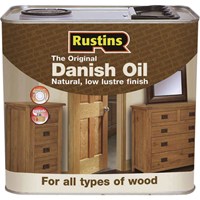
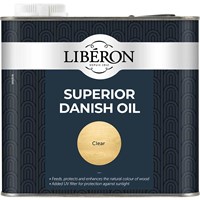
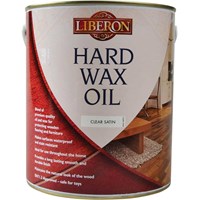

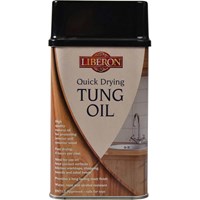
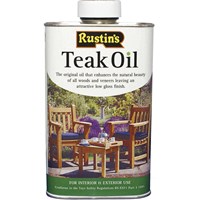
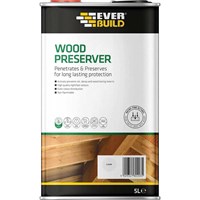
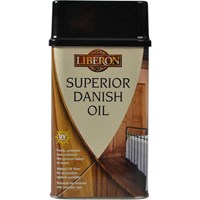
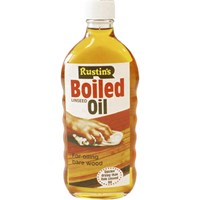
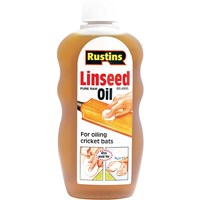
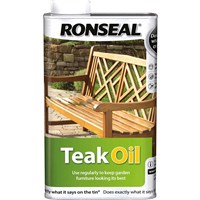
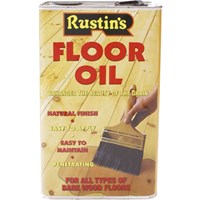
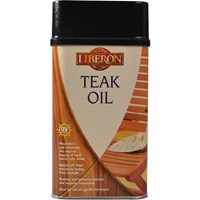

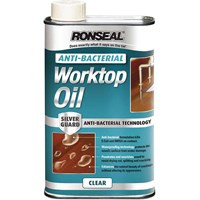
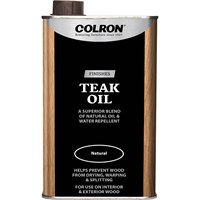
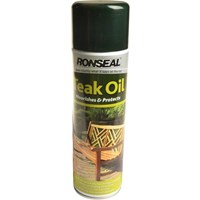
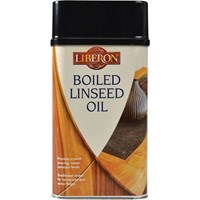
 Loading...
End of content
Error - No more pages to load
About Oils & Treatments
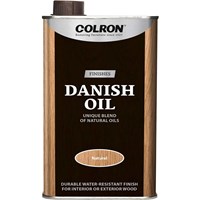
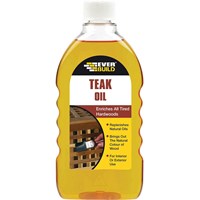
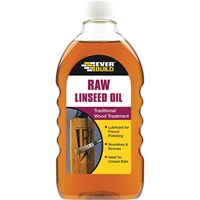
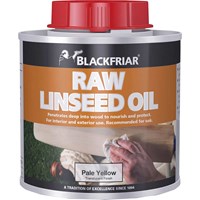
MyToolShed.co.uk stocks a comprehensive range of wood oils and treatments designed to protect, nourish and enhance timber surfaces. From traditional linseed oils to specialist teak oils and Danish oils, this category features professional-grade products from trusted brands including Liberon, Rustins, Ronseal, Everbuild and Blackfriar. These treatments penetrate deep into wood fibres to provide lasting protection against moisture, UV damage and general wear.
Whether you're maintaining exterior decking, treating hardwood furniture, or finishing kitchen worktops, the right oil treatment enhances the natural beauty of timber whilst extending its lifespan. Products range from quick-drying formulations for time-sensitive projects to traditional boiled linseed oil for authentic restoration work. MyToolShed offers solutions for both interior and exterior applications, including specialist formulations with UV filters and antibacterial properties for food-safe surfaces.
Applications
Wood oils and treatments are essential for various trades and projects:
- Carpenters and joiners – finishing bespoke furniture, cabinetry and interior woodwork
- Decking specialists – protecting exterior hardwood and softwood decking
- Kitchen fitters – treating solid wood worktops with food-safe oils
- Property maintenance – preserving garden furniture, sheds and exterior timber
- Restoration professionals – authentic finishing for period furniture and antiques
- DIY enthusiasts – general wood care, upcycling projects and home improvements
- Boat builders – marine-grade treatments for teak and hardwood
Choosing The Right Oils & Treatments
Selecting the appropriate wood oil depends on several key factors:
Wood type: Teak oils are formulated specifically for oily hardwoods, whilst Danish oil suits most timber species. Raw linseed oil works well for traditional applications, whereas boiled linseed oil dries faster for modern projects.
Location: Exterior applications require UV-resistant formulations and wood preservers to combat weathering. Interior products like worktop oils may include antibacterial properties for food-preparation surfaces.
Finish appearance: Hard wax oils provide a more durable, satin finish ideal for floors, whilst traditional oils give a natural, low-sheen appearance that highlights grain patterns.
Drying time: Quick-drying formulations from brands available at MyToolShed.co.uk allow faster project completion, whilst traditional oils require longer curing times but offer authentic results.
Application method: Most oils apply with brush or cloth, though aerosol options suit awkward areas and detailed work.
Frequently Asked Questions
What's the difference between Danish oil and teak oil?
Danish oil is a versatile blend suitable for most timbers, providing a hard-wearing finish that's easy to apply. Teak oil is specifically formulated for oily hardwoods like teak and iroko, containing additives that enhance natural oils already present in the wood and often include UV protection for exterior use.
Can I use linseed oil on kitchen worktops?
Raw linseed oil is food-safe once fully cured but takes considerable time to dry. Boiled linseed oil dries faster but isn't recommended for food-contact surfaces. For worktops, choose specialist antibacterial worktop oils that are designed specifically for food-preparation areas.
How often should I re-oil exterior timber?
Exterior hardwood typically requires re-oiling annually, ideally in spring before peak exposure. High-traffic areas like decking may need treatment twice yearly. Regular maintenance with quality wood preservers and UV-resistant oils significantly extends timber life in the British climate.