
Nozzles

Pay in 3 interest-free payments on purchases from £20-£3000 with  . Learn more.
 Loading...
End of content
Error - No more pages to load
About Nozzles
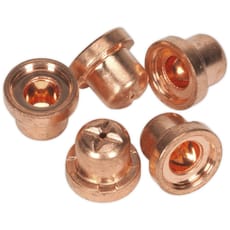
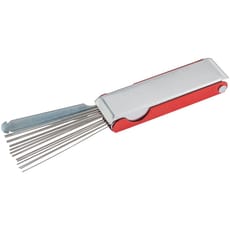
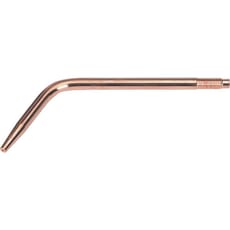
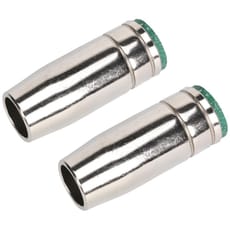
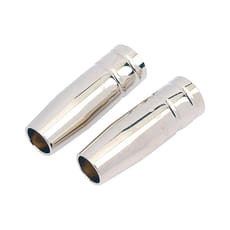
Welding nozzles are essential components for MIG, TIG and gas welding equipment, directing shielding gas flow to protect the weld pool from atmospheric contamination. MyToolShed.co.uk stocks a comprehensive range of replacement nozzles, springs, shrouds and cleaning tools from leading brands including Sealey and Draper. These precision-engineered components ensure optimal gas coverage, improved arc stability and consistently high-quality welds across various welding applications.
Available in conical, cylindrical and specialised configurations, welding nozzles are designed to fit specific torch models including MB15, MB25, TB14, TB25 and PowerMig systems. Whether you need standard replacement nozzles, heavy-duty swaged acetylene nozzles, spot welding nozzles or stud welding variants, MyToolShed provides professional-grade components to maintain peak performance of your welding equipment.
Applications
Welding nozzles are used across numerous trades and industries:
- Fabricators and welders - structural steelwork, metal fabrication and general welding tasks
- Automotive workshops - bodywork repairs, chassis welding and custom fabrication
- Manufacturing facilities - production line welding and quality maintenance
- Agricultural engineers - equipment repair and farm machinery maintenance
- Construction sites - on-site welding and steel fixing operations
- Maintenance engineers - industrial equipment repair and facilities management
- DIY enthusiasts - home workshop projects and hobby welding
Choosing The Right Nozzles
Selecting the correct welding nozzle depends on several key factors:
- Torch compatibility - verify the nozzle matches your specific torch model (MB15, MB25, TB series, etc.) to ensure proper fitment
- Nozzle type - conical nozzles suit general-purpose welding, whilst spot and stud welding nozzles are designed for specialised applications
- Material thickness - heavier materials may require larger bore nozzles for increased gas flow coverage
- Welding process - MIG, TIG and oxy-acetylene welding each require process-specific nozzle designs
- Replacement frequency - consider purchasing multi-packs for high-volume workshops to maintain productivity
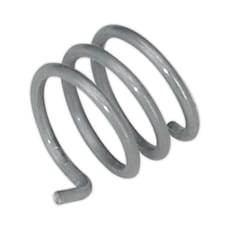
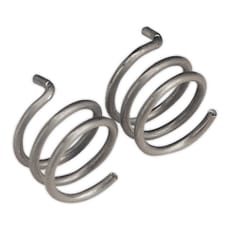
- Accessories - keep nozzle springs and cleaning tools in stock to extend component life and maintain weld quality
Safety Information
Always ensure welding nozzles are correctly installed and securely tightened before use. Damaged, blocked or incorrectly fitted nozzles compromise shielding gas coverage, leading to weld contamination and potential failure. Regularly inspect nozzles for spatter build-up, cracks or deformation, replacing worn components immediately. Use appropriate nozzle cleaning tools rather than improvised methods to avoid damage. Ensure welding equipment is isolated from the 240v power supply before changing nozzles or performing maintenance. Always wear appropriate PPE including welding helmets, gloves and protective clothing when welding.
Frequently Asked Questions
How often should welding nozzles be replaced?
Replace nozzles when you notice excessive spatter build-up that cannot be cleaned, visible cracks or deformation, or inconsistent gas coverage affecting weld quality. Professional fabricators typically replace nozzles weekly in high-volume environments, whilst occasional users may find monthly inspection sufficient.
Are welding nozzles interchangeable between different torch brands?
No, welding nozzles are generally manufacturer and model-specific. A Sealey MB15 nozzle will not fit a TB25 torch, for example. Always verify compatibility with your exact torch model before purchasing replacement nozzles to ensure proper fitment and performance.
Can I clean and reuse spattered welding nozzles?
Yes, regular cleaning with a dedicated nozzle cleaning tool extends component life significantly. Remove spatter build-up after each welding session to maintain optimal gas flow. However, once a nozzle becomes cracked, worn or permanently deformed, replacement is necessary to maintain weld quality.