
Nozzles & Pourers
Pay in 3 interest-free payments on purchases from £30-2000 with  . Learn more.
 Loading...
End of content
Error - No more pages to load
About Nozzles & Pourers
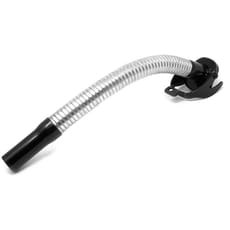
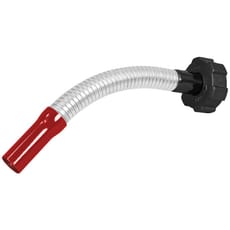
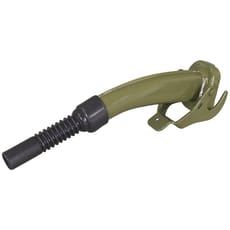
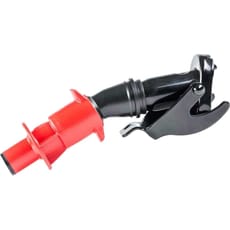
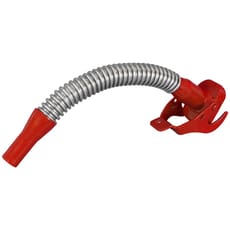
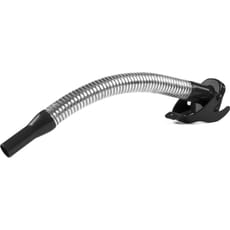
Nozzles and pourers are essential accessories that transform standard jerry cans into precision pouring tools for the safe, controlled transfer of fuels, oils, and other liquids. Whether you're a mobile mechanic refuelling equipment on site, a groundskeeper maintaining petrol-powered machinery, or a tradesperson handling diesel and hydraulic fluids, the right pouring spout prevents spillages, reduces waste, and helps you comply with UK environmental and safety regulations. MyToolShed.co.uk stocks a comprehensive range including flexible spouts for awkward access, smart spouts with automatic shut-off technology, and single and double-tube jerry can adaptors from trusted brands including Sealey, Faithfull, Handy, and Sirius.
From basic rigid spouts to advanced flexible designs that reach recessed fuel tanks, these practical accessories are compatible with standard metal and plastic jerry cans in 5L, 10L, and 20L capacities. Double-tube systems eliminate air-lock and glugging for smooth, controlled flow, whilst smart spouts with automatic shut-off mechanisms prevent overfilling and hazardous spills. Built to withstand demanding trade environments and frequent use, quality nozzles and pourers are invaluable for anyone regularly handling fuels and liquids in workshops, on construction sites, or in agricultural and landscaping applications.
Applications
Nozzles and pourers are used across numerous trades and industries for safe fuel and fluid handling:
- Mechanics and Mobile Mechanics: Transferring fuel and oils when servicing vehicles and machinery
- Groundskeepers and Gardeners: Refuelling lawnmowers, strimmers, hedge trimmers, and other petrol equipment
- Agricultural Workers and Farmers: Dispensing fuel to tractors, generators, and farm machinery in field locations
- Construction Site Operatives: Refuelling compressors, generators, and site equipment
- Landscaping Contractors: Maintaining chainsaws, brush cutters, and two-stroke equipment
- Plant Hire Companies: Efficient refuelling of hire equipment before deployment
- Maintenance Engineers: Topping up hydraulic fluids, oils, and fuels in industrial machinery
- DIY Enthusiasts: Safely storing and dispensing fuel for garden equipment and small engines
Choosing The Right Nozzles & Pourers
Fluid Type Compatibility: Ensure your spout is suitable for the liquid you're dispensing. Dedicated petrol and diesel spouts use different materials resistant to fuel degradation. Never use a spout designed for one fuel type with incompatible liquids.
Jerry Can Compatibility: Check whether your containers have screw cap or bayonet-style openings and select compatible adaptors accordingly. Most spouts fit standard 5L, 10L, and 20L jerry cans, but verify compatibility before purchasing.
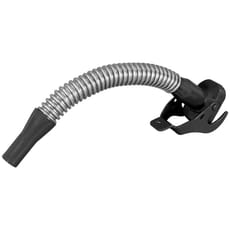
Flexibility Requirements: For equipment with recessed or awkwardly positioned fuel tanks—such as lawnmowers, generators, or construction machinery—flexible spouts provide superior access and control. Rigid spouts work well for straightforward transfers into accessible openings.
Flow Control Features: Consider smart spouts with automatic shut-off mechanisms if overfilling poses risks or when working with expensive fuels. These prevent spills and reduce waste through back-pressure valve technology that stops flow when the receiving tank reaches capacity.
Tube Configuration: Double-tube systems with breather tubes eliminate glugging and provide smoother, faster flow rates compared to single-tube designs, making dispensing quicker and reducing physical effort when handling full jerry cans repeatedly.
Build Quality: Professional-grade nozzles from established brands like Sealey and Faithfull available at MyToolShed.co.uk offer superior longevity in demanding trade environments with frequent use and exposure to site conditions.
Safety Information
Fire and Explosion Risks: Always use nozzles and pourers in well-ventilated areas away from ignition sources, naked flames, and hot surfaces. Petrol vapour is heavier than air and can travel considerable distances to ignition sources. Never smoke whilst handling fuels.
Environmental Protection: Use quality nozzles and smart spouts to minimise spillage risks that could contaminate soil, drainage systems, or watercourses. Keep spill kits readily available and understand correct procedures for dealing with fuel spillages in accordance with UK environmental regulations.
Material Compatibility: Using the wrong spout type can result in material degradation, leaks, and contamination. Always verify your chosen nozzle is specifically designed for the liquid you're handling, and inspect spouts regularly for signs of wear, cracking, or chemical damage.
Proper Storage: When not in use, store jerry cans fitted with pourers upright in cool, dry locations away from direct sunlight. Ensure caps and seals are properly secured to prevent evaporation and vapour release. Never store fuel containers in occupied buildings or poorly ventilated spaces.
Frequently Asked Questions
How do automatic shut-off smart spouts work?
Smart spouts incorporate a valve mechanism that responds to back-pressure. When the receiving tank reaches capacity, liquid covers the spout opening, creating back-pressure that triggers the automatic shut-off valve, preventing overfilling without requiring constant attention.
What's the advantage of double-tube systems over single-tube spouts?
Double-tube systems include a breather tube that allows air to enter the container as liquid flows out, eliminating the vacuum effect that causes glugging with single-tube designs. This results in faster, smoother pouring with better control and reduced spillage risk.
Can I leave a pouring spout permanently attached to my jerry can?
Whilst convenient, best practice for safe storage is to remove the spout after use and replace it with the original sealed cap. This minimises evaporation, reduces leak risks during transport, and helps prevent contamination. If leaving a spout attached, ensure it has proper closure and store the can upright in a suitable location.