

Morticers
Pay in 3 interest-free payments on purchases from £30-2000 with  . Learn more.
 Loading...
End of content
Error - No more pages to load
About Morticers
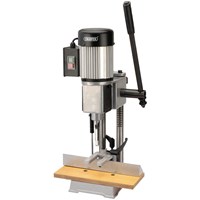
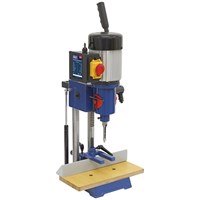
Morticers, also known as morticing machines or hollow chisel mortisers, are specialist woodworking machines designed to cut precise square or rectangular mortise holes in timber. These robust bench-mounted tools combine a drilling action with a square hollow chisel to create clean, accurate mortises – essential for traditional mortise and tenon joints used in furniture making, door construction, and general joinery. MyToolShed.co.uk stocks quality bench morticers from trusted brands including Draper and Sealey, offering both compact 1/2" models ideal for cabinet work and more substantial 1" capacity machines for heavier-duty structural applications.
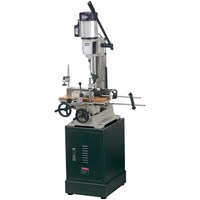
Modern bench morticers feature powerful motors (typically 370W to 720W), adjustable depth stops, and precision fence systems that allow for repeatable accuracy across multiple workpieces. The hollow chisel mortiser works by using an auger bit that rotates inside a stationary square chisel, simultaneously drilling and squaring the mortise in a single operation – significantly faster and more accurate than hand-cutting methods. Available with floor stands or designed for secure bench mounting, these machines deliver consistent, professional results that are difficult to achieve by hand.
Applications
Morticers are essential equipment for various woodworking professionals and serious enthusiasts:
- Joiners and Carpenters: Creating traditional mortise and tenon joints for doors, windows, staircases, and structural timber work
- Cabinet Makers: Producing precise joints for bespoke furniture construction, frames, and high-quality cabinetry
- Furniture Manufacturers: Both small workshops and larger production facilities requiring consistent mortises in chair rails, table aprons, and bed frames
- Shopfitters: Creating strong joinery for retail fixtures, display units, and commercial interior woodwork
- Restoration Specialists: Replicating traditional joinery methods when repairing antique furniture and period properties
- Timber Frame Builders: Creating joints in oak framing and other structural timber projects
- Educational Institutions: Teaching traditional woodworking skills and joinery techniques
Choosing The Right Morticers
Chisel Capacity: A 1/2" (12.7mm) morticer suits lighter furniture work and cabinet making, whilst a 1" (25mm) machine handles heavier structural work and door construction. Consider the typical size of joints you'll be cutting – it's better to have capacity you occasionally need than to be limited by a machine that's too small.
Motor Power: More powerful motors (370W to 720W) cope better with hardwoods and continuous use. If you're working predominantly with hardwoods like oak or ash, or need to cut deep mortises, invest in a more powerful machine.
Build Quality: Cast iron construction provides superior stability and vibration dampening compared to pressed steel. Check for solid fence systems, smooth rack-and-pinion height adjustment, and robust lever mechanisms that separate professional-grade machines from budget alternatives.
Stand or Bench Mount: Floor-standing models with integrated stands offer comfortable working height and flexibility in workshop layout, whilst bench-mounted units save floor space in compact workshops.
Safety Information
Always wear safety glasses or a face shield to protect against flying chips and timber debris. Avoid loose clothing and jewellery that could become entangled. Ensure the morticer is securely mounted before use and disconnect from the 240v mains supply before changing chisels or making adjustments. Always secure the workpiece firmly using the machine's clamps – never hold timber by hand during cutting. Allow the motor to reach full speed before lowering the chisel, and make multiple shallow passes when cutting deep mortises rather than forcing the chisel through in one operation.
Frequently Asked Questions
What's the difference between a mortiser and a router for cutting mortises?
Whilst routers can cut mortises using jigs, dedicated morticers produce true square-cornered mortises in a single operation without elaborate setups. Routers create round-ended slots requiring corner-chiselling, whereas morticers are faster and more accurate for traditional joinery work.
How deep can a bench morticer cut?
Maximum depth typically ranges from 75mm to 150mm depending on the model. Most mortises for furniture and joinery work are between 40mm and 80mm deep, which all models available at MyToolShed.co.uk can comfortably handle.
Why does my morticer produce rough or burnt mortises?
This usually indicates dull tooling requiring sharpening. Check that the auger bit protrudes slightly beyond the chisel (1-2mm) and ensure you're making appropriately shallow passes – forcing deep cuts overheats tooling and causes burning.