

Mixing Paddles
Pay in 3 interest-free payments on purchases from £30-2000 with  . Learn more.
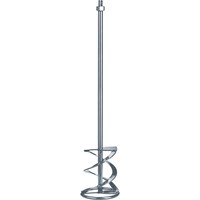
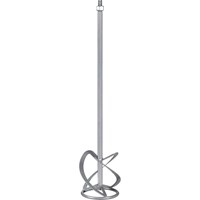
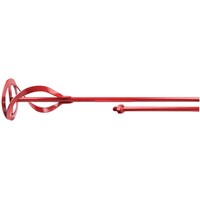
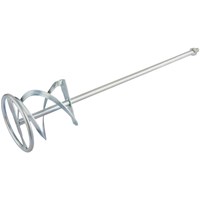
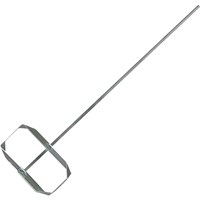
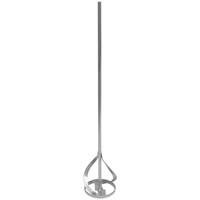
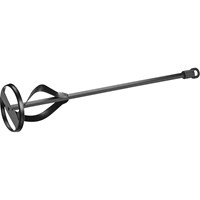
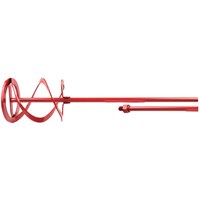
 Loading...
End of content
Error - No more pages to load
About Mixing Paddles
Mixing paddles are essential attachments for power drills and dedicated mixers, designed to efficiently blend a wide range of materials including plaster, mortar, adhesive, paint, and cement. Available at MyToolShed.co.uk, these professional-grade tools feature specially engineered blade designs that ensure thorough, lump-free mixing whilst minimising air entrapment and reducing operator fatigue. From compact paint mixing paddles for decorators to heavy-duty plaster paddles for plasterers, the right mixing paddle significantly improves material consistency and reduces preparation time on site.
The range includes hex shank paddles for standard cordless drills, M14 threaded paddles for high-torque mixers, and specialised designs such as eggbeater mixers and quick-mix paddles. Leading brands like Makita, DeWalt, Faithfull, and Marshalltown offer various paddle configurations suited to different material viscosities and batch sizes, ensuring tradespeople can achieve professional results whether mixing small quantities of tile adhesive or large volumes of render.
Applications
Mixing paddles are used extensively across numerous trades and applications:
- Plasterers: Mixing plaster, render, and finishing compounds to the correct consistency
- Tilers: Preparing tile adhesive, grout, and levelling compounds
- Decorators: Blending emulsion, masonry paint, and textured coatings
- Bricklayers: Mixing mortar and cement-based materials
- Flooring specialists: Preparing self-levelling compounds and screeds
- General construction: Mixing concrete, bonding agents, and various building materials
- DIY enthusiasts: Home improvement projects requiring material preparation
Choosing The Right Mixing Paddles
When selecting mixing paddles from MyToolShed.co.uk, consider these important factors:
- Material type: Paint paddles feature open designs for low-viscosity materials, whilst plaster and mortar paddles have robust blade configurations for heavy compounds
- Shaft fitment: Match the paddle to your tool – hex shank for standard drills, M14 thread for dedicated mixers, or specific brand fitments for compatibility
- Paddle diameter: Larger paddles (100-140mm) suit bigger batches and buckets, whilst smaller designs offer better control for precise mixing
- Construction quality: Heavy-duty steel or galvanised finishes provide durability for frequent professional use
- Mixing direction: Some paddles are designed for specific rotation directions to optimise material flow and prevent splashing
- Power tool compatibility: Ensure your drill or mixer has sufficient torque (typically 600W minimum for heavy materials) and compatible chuck or thread
Safety Information
Always secure materials containers properly before mixing and start at low speeds to prevent splashing. Wear appropriate PPE including safety glasses and dust masks when mixing powder-based materials. Ensure mixing paddles are firmly attached and the power tool is rated for the paddle size and material being mixed. Never exceed the maximum speed rating specified for the paddle, and allow the tool to stop completely before removing from mixed material. When using 240v electric mixers, check cables for damage and use an RCD protection device.
Frequently Asked Questions
Can I use any mixing paddle with my cordless drill?
Not all paddles are suitable for cordless drills. Check your drill's torque rating and chuck type – hex shank paddles work with standard drills, but heavy-duty mixing of plaster or mortar typically requires a dedicated mixer with M14 thread and higher torque output to prevent motor damage.
What's the difference between a paint paddle and a plaster paddle?
Paint paddles feature an open, spiral design for low-viscosity liquids with minimal air entrapment, whilst plaster paddles have robust, closed blade configurations designed to handle thick, heavy materials and prevent material separation during mixing.
How do I maintain my mixing paddles?
Clean paddles immediately after use before materials set hard. Remove caked-on residue with a wire brush or scraper, and store in a dry location. Inspect threads and shafts regularly for wear, and replace paddles showing blade damage or bent components to maintain mixing efficiency.