

Mixing Drills
Pay in 3 interest-free payments on purchases from £30-2000 with  . Learn more.
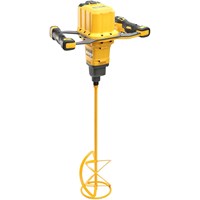
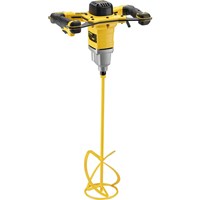
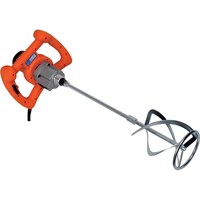
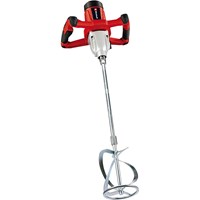
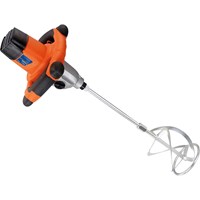
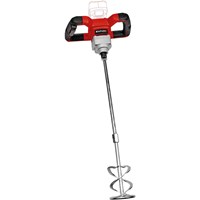
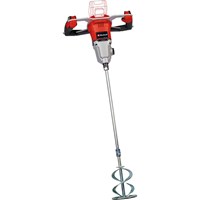
Einhell Professional TP-MX 18-2 Li BL 18v Cordless Brushless Paddle Mixer
in stock
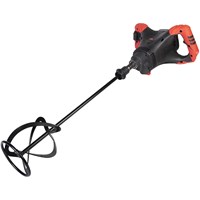
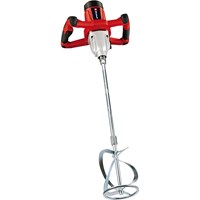
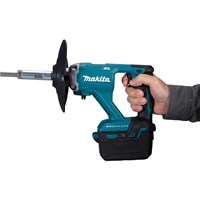
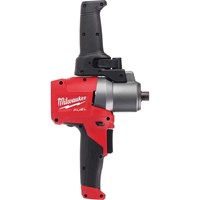
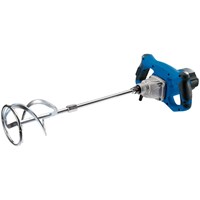
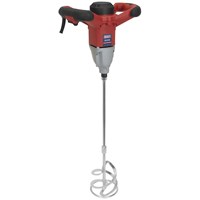
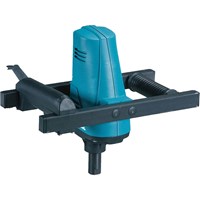
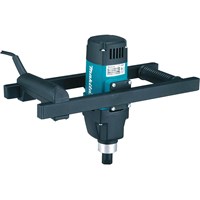
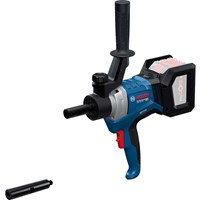
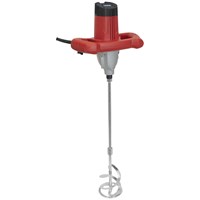
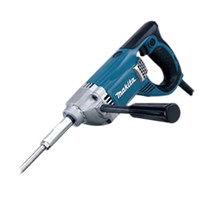
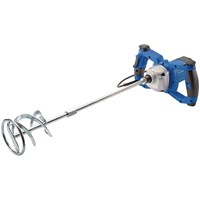
 Loading...
End of content
Error - No more pages to load
About Mixing Drills
Mixing drills, also known as paddle mixers or plaster mixers, are specialised power tools engineered to handle heavy-duty materials including plaster, mortar, concrete, tile adhesive, paint, and grout. Unlike standard drills, these robust tools deliver high torque at lower speeds, with reinforced gearboxes and M14 spindle threads designed specifically for mixing thick, viscous substances without stalling or overheating. MyToolShed.co.uk stocks mixing drills from leading manufacturers including Makita, Bosch Professional, DeWalt, Milwaukee, and Einhell, available in both corded and cordless configurations to suit every application.
Corded models typically range from 1200W to 1600W and provide unlimited runtime for extended mixing sessions, making them ideal for professional plasterers and contractors working from fixed locations. Cordless variants utilising 18V, 40V, and 54V battery platforms offer exceptional portability when working across multiple rooms, on scaffolding, or at sites without mains electricity. Modern mixing drills incorporate essential features including soft-start functions to prevent splashing, variable speed triggers for precise control, and adjustable side handles for comfortable two-handed operation during prolonged use.
Applications
Mixing drills are essential equipment for various trades and applications:
- Plasterers and Renderers: Daily mixing of plaster, render, bonding compounds, and finishing materials
- Tilers: Preparing tile adhesive, grout, and self-levelling compounds to precise consistencies
- Bricklayers: Mixing mortar, cement, and specialised masonry products on site
- Painters and Decorators: Blending emulsion, masonry paint, and textured coatings in large quantities
- Floor Layers: Mixing screed, self-levelling compounds, and floor preparation materials
- General Builders: All-round mixing requirements for construction materials and repair work
- Serious DIY Enthusiasts: Home renovations, extensions, and substantial improvement projects
Choosing The Right Mixing Drills
Power Source: Corded 240v models provide consistent power for all-day professional use, whilst cordless mixing drills (18V-54V) offer portability for multi-location working. Consider existing battery platform compatibility with Makita LXT, DeWalt XR, or Milwaukee M18 systems to maximise your investment.
Motor Power and Torque: Entry-level mixers (900-1200W or 18V) suit occasional use and light materials like paint. Mid-range models (1400-1600W) handle daily professional requirements, whilst heavy-duty units such as the DeWalt DCD240 54V FLEXVOLT deliver exceptional torque for thick screed and dense concrete mixes.
Speed Control: Variable speed triggers are essential for adapting to different materials. Professional models from MyToolShed.co.uk feature electronic speed control and soft-start functions, preventing splashing whilst maintaining consistent performance under heavy loads.
Build Quality: Professional-grade mixing drills from Bosch Professional, Makita, DeWalt, and Milwaukee feature metal gearboxes, reinforced housings, and commercial warranties suitable for daily site work. Ensure models include M14 spindles for compatibility with standard mixing paddles.
Safety Information
Mixing drills generate substantial torque that can cause injury if the paddle binds. Always use both hands with the side handle properly attached and maintain a firm, balanced stance. Wear safety glasses to protect against splashes and dust masks when mixing dry powders. Ensure corded tools connect via an RCD for electrical safety, particularly on construction sites with damp conditions. Never force the tool—if the paddle binds, stop immediately and reassess material consistency. Follow HSE guidance for COSHH regulations when handling cement-based products, and always disconnect power before changing paddles.
Frequently Asked Questions
What's the difference between a mixing drill and a regular drill?
Mixing drills deliver significantly higher torque at lower speeds (typically 300-900 RPM) with reinforced gearboxes and M14 spindle threads for paddle attachments. Regular drills lack the power and durability to mix heavy materials like plaster or mortar without overheating or failing, and using them for mixing voids warranties.
Can cordless mixing drills handle professional plastering work?
Modern high-voltage cordless models (40V-54V platforms like Makita XGT and DeWalt FLEXVOLT) deliver professional-grade performance suitable for daily trade use. Ensure you have multiple high-capacity batteries (5.0Ah minimum) for all-day work, though corded 240v models still offer advantages for continuous operation.
What size mixing paddle do I need?
Paddle diameter depends on bucket size and material volume. For standard 25L buckets, 120mm paddles work well, whilst larger 40-60L containers suit 140-160mm paddles. Always ensure your mixing drill has adequate torque for the paddle size, and match paddle design to material—helical paddles suit plaster and render, whilst specific designs exist for paint and decorating materials.