
Mixing Bottles

Pay in 3 interest-free payments on purchases from £20-£3000 with  . Learn more.
 Loading...
End of content
Error - No more pages to load
About Mixing Bottles
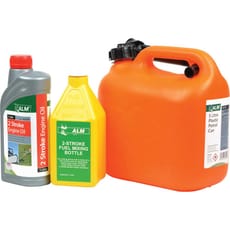
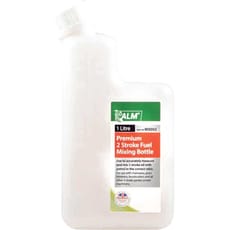
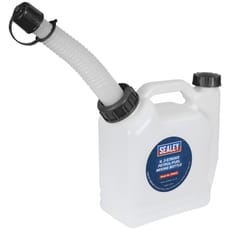
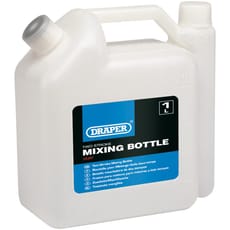
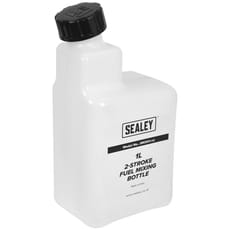
Mixing bottles are essential tools for anyone operating 2-stroke petrol engines, providing a safe and accurate method for combining petrol and oil in the correct ratios. These specially designed containers feature clear measurement markings and secure caps, eliminating the guesswork from fuel preparation for chainsaws, strimmers, hedge trimmers, leaf blowers, and other 2-stroke powered equipment. MyToolShed.co.uk stocks a comprehensive range of mixing bottles from trusted brands including ALM, Sealey, Draper, and Handy.
Available in various capacities, these mixing bottles ensure consistent fuel mixtures that protect your engine from damage whilst maximising performance. Many models include integrated measuring systems, flexible pouring spouts, and translucent bodies that allow users to monitor fuel levels and mixture ratios at a glance, making them indispensable for both professional tradespeople and DIY enthusiasts.
Applications
Mixing bottles are invaluable across numerous trades and activities:
- Groundskeepers and landscapers – preparing fuel for strimmers, brush cutters, and hedge trimmers
- Tree surgeons and arborists – mixing chainsaw fuel on-site
- Gardeners and groundcare professionals – maintaining leaf blowers and small engines
- Property maintenance teams – fuelling multiple 2-stroke tools efficiently
- Construction workers – mixing fuel for concrete vibrators and compaction equipment
- DIY enthusiasts – safely preparing fuel for domestic garden machinery
- Agricultural workers – maintaining small engines and handheld equipment
Choosing The Right Mixing Bottles
When selecting a mixing bottle from MyToolShed.co.uk, consider these key factors:
- Capacity – choose based on your fuel consumption; 1-litre bottles suit occasional users, whilst 2-litre or larger options benefit professionals who use multiple 2-stroke tools daily
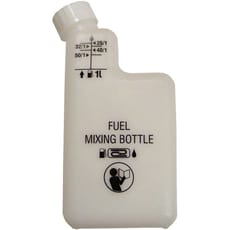
- Measurement markings – look for clearly printed ratio guides (typically 25:1, 40:1, and 50:1) that remain visible even when filled
- Pouring features – flexible spouts and anti-glug mechanisms prevent spillage and make refuelling easier in confined spaces
- Material quality – robust, fuel-resistant plastic construction ensures longevity and prevents chemical degradation
- Cap security – leak-proof, child-resistant caps are essential for safe storage and transport
- Starter kits – some products include oil and additives alongside the bottle, ideal for first-time users
Safety Information
Always mix fuel in well-ventilated areas away from ignition sources. Store mixing bottles in cool, dry locations away from direct sunlight and heat. Ensure caps are tightly secured before transport. Never use improvised containers for fuel mixing, as these may not be chemically compatible with petrol and oil. Always follow the manufacturer's recommended mixing ratios for your specific equipment. Keep mixing bottles clearly labelled and away from children and pets.
Frequently Asked Questions
What mixing ratio should I use for my 2-stroke engine?
Most modern 2-stroke engines require a 50:1 ratio (50 parts petrol to 1 part oil), though older equipment may need 40:1 or 25:1. Always consult your tool's manual for the manufacturer's specific recommendation, as incorrect ratios can cause engine damage or excessive smoke.
Can I store pre-mixed fuel in a mixing bottle?
Yes, mixing bottles from MyToolShed.co.uk are designed for safe fuel storage, though pre-mixed 2-stroke fuel should be used within 30 days for optimal performance. After this period, fuel degradation can affect engine operation. Always label containers with the mixing date.
Are mixing bottles suitable for all types of 2-stroke oil?
Quality mixing bottles are compatible with all standard 2-stroke oils, including mineral, semi-synthetic, and fully synthetic varieties. However, always ensure the bottle is clean and free from contaminants before preparing fresh fuel mixtures.