

Milling Cutters
Pay in 3 interest-free payments on purchases from £30-2000 with  . Learn more.
 Loading...
End of content
Error - No more pages to load
About Milling Cutters
Milling cutters are precision cutting tools designed for use with milling machines to remove material from workpieces through rotary cutting. Available in various configurations including end mills, slot drills, and multi-flute designs, these essential tools allow machinists and engineers to create slots, grooves, profiles, and complex shapes in metal, plastic, and other materials. MyToolShed.co.uk stocks professional-grade milling cutters from trusted brands including Dormer, Sealey, and Draper, suitable for both industrial workshops and precision engineering applications.
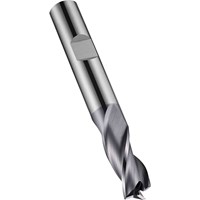
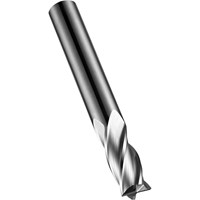
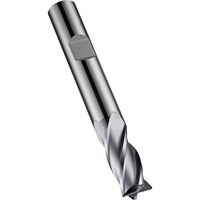
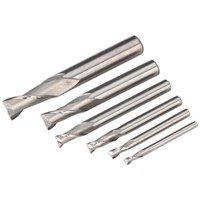
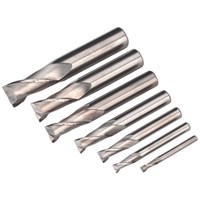
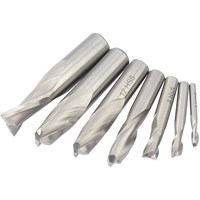
Our range includes solid carbide cutters with advanced TiALN coatings for superior wear resistance and extended tool life, as well as HSS (High Speed Steel) end mills for general-purpose machining. Whether you need 2-flute, 3-flute, or 4-flute configurations, flatted shank designs for secure tool holding, or complete sets for versatile machining capabilities, MyToolShed offers quality milling cutters to meet professional standards.
Applications
Milling cutters are essential tools for:
- Engineering workshops - precision component manufacturing and prototyping
- Tool and die makers - creating moulds, dies, and jigs
- Metal fabricators - slotting, profiling, and material removal tasks
- Maintenance engineers - repair and modification of machinery parts
- Model makers - detailed miniature work and intricate shapes
- Educational facilities - technical colleges and apprenticeship training
- Aerospace and automotive industries - high-precision component machining
Choosing The Right Milling Cutters
Selecting appropriate milling cutters depends on several key factors:
- Material compatibility - HSS cutters suit softer materials and general work, whilst solid carbide options with TiALN coatings excel in harder materials and high-speed machining applications
- Flute configuration - 2-flute designs provide excellent chip clearance for slotting, 3-flute cutters balance strength and chip evacuation, whilst 4-flute end mills offer superior surface finishes
- Shank type - flatted shanks prevent slippage during heavy cutting, whilst plain shanks suit general applications
- Cutter diameter - match to your milling machine's capacity and the workpiece requirements
- Set versus individual cutters - starter sets provide versatility for varied work, whilst individual cutters suit specific recurring tasks
- Machine compatibility - ensure cutters match your milling machine's collet size and power rating
Safety Information
Always wear appropriate eye protection when operating milling machines. Secure workpieces firmly and ensure cutters are properly installed and tightened before use. Never exceed the recommended spindle speeds for your cutter type and material. Keep hands clear of rotating cutters and use proper guards. Inspect cutters regularly for damage or excessive wear, and replace when necessary to maintain cutting performance and prevent breakage.
Frequently Asked Questions
What's the difference between HSS and carbide milling cutters?
HSS (High Speed Steel) cutters are more economical and suitable for general machining of softer materials at moderate speeds. Solid carbide cutters are harder, maintain sharp edges longer, and perform better at higher speeds and in tougher materials, making them ideal for production environments despite their higher initial cost.
How many flutes should my end mill have?
2-flute end mills offer excellent chip clearance for slotting and deep cutting. 3-flute cutters provide a good balance for general milling. 4-flute designs create finer finishes and are strongest for side milling, though they require good chip evacuation. Your choice depends on the material and operation type.
Can I use the same milling cutter for different materials?
Whilst some cutters handle multiple materials, optimal results come from matching cutter type to material. Carbide tools excel in harder metals, HSS suits aluminium and softer steels, and different coatings enhance performance in specific applications. Always check manufacturer recommendations for your workpiece material.