

Mig Wire
Pay in 3 interest-free payments on purchases from £30-2000 with  . Learn more.
 Loading...
End of content
Error - No more pages to load
About Mig Wire
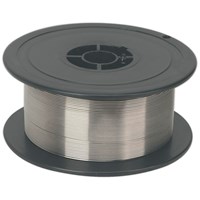
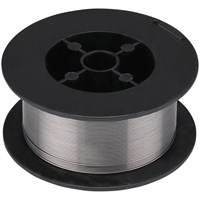
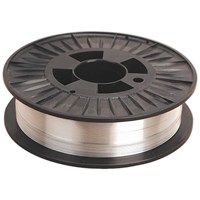
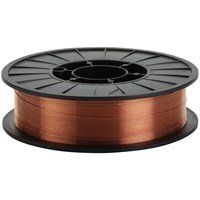
MIG (Metal Inert Gas) wire is an essential consumable for MIG welding, available in various materials and specifications to suit different metals and applications. MyToolShed.co.uk stocks a comprehensive range of MIG wire from trusted brands including Sealey and Draper, covering everything from mild steel and stainless steel to aluminium and specialised flux-cored options. Whether you're running a professional fabrication shop or tackling DIY welding projects at home, selecting the correct wire type and diameter is crucial for achieving strong, clean welds.
The category includes gasless flux-cored wire for outdoor welding without gas shielding, solid wire for use with separate gas bottles, and specialist wires such as copper silicon bronze for brazing applications. Available in various spool sizes and wire diameters typically ranging from 0.6mm to 1.2mm, these products are compatible with both 240v hobby welders and industrial MIG welding equipment.
Applications
MIG wire is used across numerous trades and industries, including:
- Fabricators and welders – structural steelwork, frame building, and general fabrication
- Automotive repair and restoration – bodywork repairs, chassis work, and custom builds
- Agricultural engineering – farm machinery repairs and maintenance
- Construction and building trades – metal framework, railings, and structural repairs
- Manufacturing and production – assembly line welding and component fabrication
- DIY enthusiasts – home workshop projects, gates, repairs, and creative metalwork
- Marine and boatbuilding – aluminium boat repairs using specialist wire
Choosing The Right Mig Wire
Selecting the appropriate MIG wire depends on several key factors:
- Base metal type – match your wire to the material being welded (mild steel wire for steel, aluminium wire for aluminium, stainless for stainless)
- Wire diameter – thinner wire (0.6-0.8mm) suits thinner materials and lower-powered machines; thicker wire (0.8-1.2mm) for heavier work
- Gas or gasless – solid wire requires separate gas shielding (CO2 or argon mix), whilst flux-cored gasless wire has shielding built in, ideal for outdoor use
- Welder compatibility – check your machine's specifications for recommended wire types and diameters
- Spool size – larger spools offer better value for high-volume work; smaller spools suit occasional use
- Application requirements – consider whether you need standard strength, high tensile, or specialist properties
MyToolShed.co.uk offers detailed product specifications to help you select the correct wire for your specific welding requirements.
Safety Information
When using MIG wire, always wear appropriate PPE including welding helmet with correct shade rating, leather welding gloves, and protective clothing. Ensure adequate ventilation when welding, particularly with flux-cored wire which produces more fumes. Store wire in a dry environment to prevent rust and moisture contamination, which can cause weld defects and porosity. Always follow the manufacturer's guidelines for your specific welding equipment.
Frequently Asked Questions
What's the difference between gasless and gas-shielded MIG wire?
Gas-shielded solid wire requires an external gas supply (typically CO2 or argon mix) to protect the weld from atmospheric contamination. Gasless flux-cored wire has the shielding agent built into the wire itself, making it more portable and suitable for outdoor use where wind might disperse shielding gas, though it typically produces more spatter.
Can I use the same MIG wire for different thicknesses of steel?
Yes, mild steel MIG wire can weld various steel thicknesses, but you'll need to adjust your welder's voltage and wire feed speed settings accordingly. However, very thin materials may require thinner diameter wire for better control, whilst thicker materials benefit from larger diameter wire and higher power settings.
How should I store MIG wire to maintain quality?
Store MIG wire in a cool, dry location away from moisture and humidity. Keep spools in sealed bags or containers when not in use to prevent rust formation on the wire surface, which can lead to poor arc stability and weld contamination.